


Liposuction Procedure vs. Tummy Tuck: Which Is Right for You?
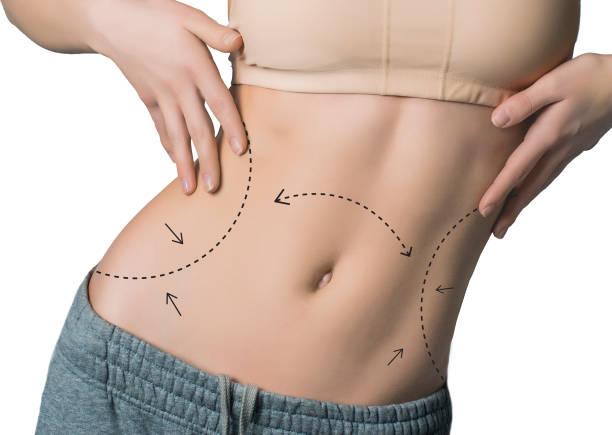
Choosing between liposuction and a tummy tuck can be challenging for individuals who want to improve their abdominal appearance. Both procedures are designed to enhance body contours, but they address different concerns and involve different surgical techniques. Liposuction focuses on removing localized fat deposits, while a tummy tuck primarily addresses excess abdominal skin and may repair separated abdominal muscles. Understanding these differences can help patients select an option that matches their physical concerns and aesthetic goals. Individuals considering a Liposuction procedure in Riyadh (عملية شفط الدهون في الرياض) should understand how each treatment works, who may benefit, and what recovery involves before making a decision.
What Is a Liposuction Procedure?
Liposuction is a cosmetic surgical procedure that removes unwanted fat deposits from specific areas of the body. It is commonly performed on the abdomen, waist, hips, thighs, arms, and back.
During surgery, a surgeon makes small incisions near the treatment area and inserts a thin instrument called a cannula. Specialized suction equipment is used to loosen and remove selected fat cells, helping improve the body's contours.
Main Benefits of Liposuction
-
Targets stubborn fat: Addresses localized fat deposits that may remain despite diet and exercise.
-
Improves body proportions: Helps create smoother transitions between treated and surrounding areas.
-
Offers targeted contouring: Allows surgeons to focus on specific areas according to individual anatomy.
-
Provides lasting fat reduction: Removed fat cells do not return, although remaining cells can enlarge with weight gain.
Liposuction is not intended for significant weight loss and does not directly remove loose skin or repair separated abdominal muscles.
What Is a Tummy Tuck?
A tummy tuck, medically known as abdominoplasty, is a surgical procedure that removes excess abdominal skin and may tighten weakened or separated abdominal muscles. It is commonly considered by individuals who experience loose skin after pregnancy, significant weight loss, or age-related changes.
The surgeon generally makes an incision along the lower abdomen, removes excess skin, and may repair the underlying abdominal muscles when necessary. The remaining skin is repositioned to create a firmer abdominal appearance.
Main Benefits of a Tummy Tuck
-
Removes excess skin: Addresses loose or hanging abdominal skin.
-
Repairs muscle separation: May correct abdominal muscle separation, known as diastasis recti.
-
Improves abdominal firmness: Helps create a flatter and firmer-looking midsection.
-
Reshapes the lower abdomen: Removes selected skin and improves the overall abdominal contour.
Unlike liposuction, a tummy tuck involves more extensive skin removal and generally requires a longer recovery period.
Key Differences Between Liposuction and Tummy Tuck
Although both procedures can improve abdominal contours, their purposes and techniques are different.
1. Treatment Goals
Liposuction focuses on reducing localized fat deposits beneath the skin. A tummy tuck primarily addresses excess skin and weakened abdominal muscles. The appropriate option depends on whether the main concern is fat, loose skin, muscle separation, or a combination of these issues.
2. Skin Tightening
Liposuction does not directly remove substantial excess skin. It may be suitable for individuals whose skin has enough elasticity to adapt after fat removal. A tummy tuck removes excess skin and repositions the remaining tissue to create a firmer appearance.
3. Muscle Repair
Liposuction does not repair separated abdominal muscles. A tummy tuck may include muscle tightening when the surgeon identifies abdominal muscle separation and considers repair appropriate.
4. Surgical Approach
Liposuction typically uses small incisions to insert a cannula and remove fat. A tummy tuck generally involves a longer lower-abdominal incision, removal of excess skin, and possible muscle repair.
5. Recovery Requirements
Recovery varies for both procedures. Liposuction patients may experience swelling, bruising, and tenderness, while tummy tuck recovery can involve greater discomfort and activity restrictions because of the more extensive surgical work.
Who Is a Suitable Candidate for Liposuction?
Liposuction may be appropriate for individuals who:
-
Have localized abdominal fat deposits.
-
Are close to their preferred body weight.
-
Maintain a relatively stable weight.
-
Have reasonably good skin elasticity.
-
Are in suitable general health for surgery.
-
Want to improve body contours without significant skin removal.
It is generally more appropriate when excess fat is the main concern rather than loose abdominal skin.
Who May Benefit From a Tummy Tuck?
A tummy tuck may be considered by individuals who:
-
Have significant loose or hanging abdominal skin.
-
Experience abdominal muscle separation.
-
Notice changes in abdominal firmness after pregnancy.
-
Have excess skin following substantial weight loss.
-
Are at a stable weight and in suitable general health.
-
Understand the procedure's risks, scar placement, and recovery requirements.
People planning future pregnancies or significant weight changes may be advised to discuss the timing of surgery carefully with their surgeon.
Can Liposuction and Tummy Tuck Be Combined?
In some cases, surgeons may recommend combining liposuction with a tummy tuck to address both localized fat and excess skin. This approach may help improve the overall abdominal contour when both concerns are present.
However, combining procedures is not appropriate for everyone. The surgeon must evaluate the patient's health, surgical risks, skin condition, and treatment goals before recommending a combined approach.
Recovery and Expected Results
Liposuction recovery commonly involves temporary swelling, bruising, and tenderness. Patients may need compression garments and should gradually return to normal activities according to their surgeon's instructions.
Tummy tuck recovery generally requires more time because the procedure involves skin removal and may include muscle repair. Patients may experience tightness, swelling, and movement restrictions during the healing period.
For both procedures, final results develop gradually as swelling decreases. Maintaining a stable weight and following post-operative instructions can help preserve the outcome.
Which Procedure Is Right for You?
The right choice depends on your primary concern. Liposuction may be more suitable when localized fat is the main issue and skin elasticity is adequate. A tummy tuck may be more appropriate when loose skin or abdominal muscle separation is the primary concern.
A professional assessment is essential because some individuals may benefit from a combination of both procedures. Patients should also discuss potential complications, including infection, bleeding, fluid accumulation, scarring, contour irregularities, and anesthesia-related risks.
Explore Body Contouring Options at Royal Clinic Saudia
Selecting between liposuction and a tummy tuck requires careful consideration of abdominal fat, skin elasticity, muscle condition, overall health, and personal expectations. A qualified surgeon can evaluate these factors and recommend an appropriate treatment plan. If you are considering a Liposuction procedure in Riyadh, Royal Clinic Saudia (عيادات رويال كلينك) can help you understand the differences between available body-contouring procedures and determine which approach may suit your needs. An individualized consultation and realistic expectations are important steps toward achieving balanced abdominal contours.

 English
 Arabic
 French
 Spanish
 Portuguese
 Deutsch
 Dutch
 Italiano
 Russian
 Romaian
 Portuguese (Brazil)
 Greek
