


How Can Containers Simplify Sportsbook Software Easily?
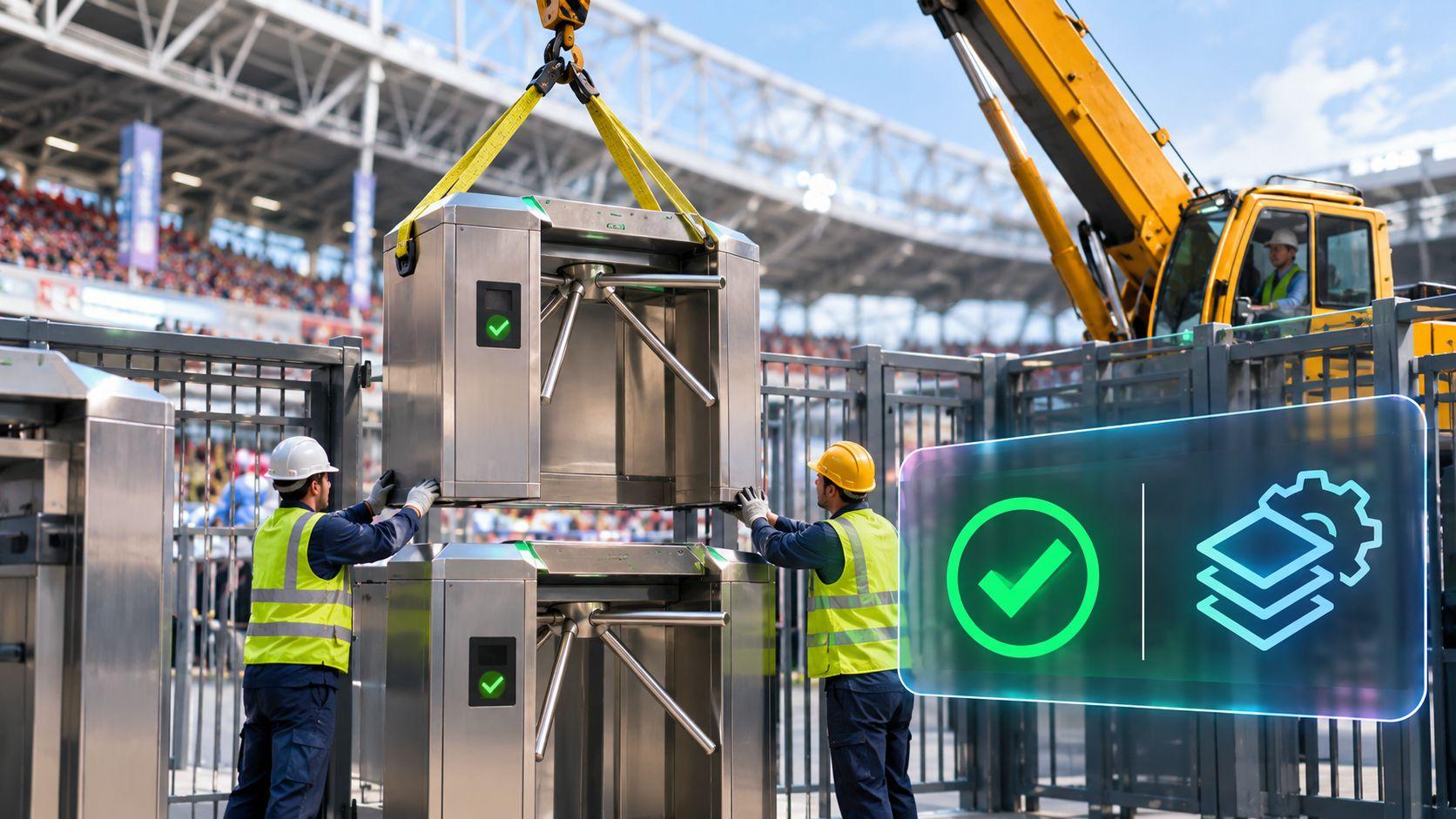
As sports betting platforms grow, managing their software infrastructure becomes increasingly demanding. Development teams need to introduce updates, maintain application stability, handle changing traffic levels, and ensure that different services operate smoothly across multiple environments. Traditional deployment methods can make these responsibilities more complicated, particularly when applications depend on different software configurations. By adopting containerization, operators can simplify how applications are packaged, tested, and deployed. For a betting app development company in USA, this technology provides an efficient way to maintain consistent software environments, improve deployment flexibility, and support the long-term development of sportsbook platforms.
What Is Containerization and How Does It Work?
Containerization is a software technology that allows developers to package an application along with its libraries, dependencies, configuration settings, and runtime requirements into a self-contained unit known as a container. These containers can operate across different supported computing environments while maintaining consistent application behavior.
Within a sports betting platform, developers can create separate containers for different services, such as customer registration, user authentication, payment processing, betting management, odds integration, and reporting. Each component operates within its own environment while communicating with other services when necessary.
Tools such as Docker help developers create, package, and run containers, while Kubernetes helps manage containerized applications across multiple systems. Together, these technologies provide a structured approach to deploying and maintaining complex software applications.
How Does Containerization Make Software Deployment Faster?
Deploying traditional applications often requires developers to configure servers, install dependencies, prepare runtime environments, and verify compatibility before releasing software. When a platform contains several connected services, these activities can increase deployment time and introduce configuration-related problems.
Containerization simplifies this process by allowing teams to prepare application images that already contain the necessary dependencies. Once an image has been developed and tested, it can be deployed across development, testing, staging, and production environments.
This reduces the need to configure each environment separately and helps teams maintain a more predictable deployment process. Developers can also connect container workflows with continuous integration and continuous delivery (CI/CD) pipelines to automate repetitive deployment activities.
As a result, sportsbook operators can introduce software improvements, release new features, and resolve technical issues through more organized release cycles. Proper testing and deployment approvals remain important to ensure that faster releases do not compromise platform stability.
Why Is Containerization Important During Major Sporting Events?
Traffic on sports betting platforms does not always remain consistent. Popular tournaments, international competitions, and championship matches can attract large numbers of users within a short period. These sudden increases can place considerable pressure on application infrastructure.
Containerization allows development teams to allocate resources to individual services according to their workload. For example, if the betting interface receives more requests than usual, operators can increase the number of containers running that service without automatically expanding every other application component.
Container orchestration tools can also help manage workloads by scheduling containers, monitoring their availability, and replacing failed instances according to predefined configurations.
However, managing traffic spikes requires more than adding containers. Database performance, network capacity, caching systems, payment integrations, and external service availability must also be considered when preparing a sportsbook for high-demand events.
How Does Containerization Support Flexible Platform Scaling?
As sports betting businesses expand, their software platforms must accommodate additional customers, transactions, integrations, and application features. An infrastructure that cannot adapt to changing workloads may experience performance issues or require expensive modifications.
Containerization makes horizontal scaling easier by allowing developers to run multiple instances of individual application services. Instead of increasing the resources allocated to the entire platform, operators can scale only the components experiencing higher demand.
This approach is particularly useful for applications built around microservices architecture, where different platform functions operate independently. Each service can be maintained and expanded according to its specific requirements.
Container-based scaling can help sportsbook operators manage:
-
Increased customer activity during major sporting competitions.
-
Higher volumes of betting requests and account transactions.
-
Growing payment processing and identity verification workloads.
-
Additional infrastructure requirements when entering new markets.
-
New platform features without replacing the entire application environment.
With appropriate application architecture, this flexibility can help businesses use infrastructure resources more efficiently while supporting future expansion.
Can Containerization Improve Sports Betting Software Reliability?
Maintaining reliable platform operations is essential for sportsbook businesses. Technical failures, unsuccessful updates, and infrastructure problems can affect customer experiences and interrupt important services.
Containers provide a level of application isolation that helps prevent certain issues from spreading between independent components. If a particular container stops working, it may be possible to restart or replace that component without redeploying the entire application.
Container orchestration platforms can monitor running workloads and automatically replace failed containers based on configured health checks and recovery policies.
For instance, a temporary problem affecting a reporting service may be addressed separately while other application components continue operating. This can reduce the impact of individual service failures.
However, containerization does not eliminate every reliability risk. Shared databases, network interruptions, incorrect configurations, and infrastructure failures can still affect multiple services. Proper redundancy, monitoring, backup systems, and disaster recovery planning are equally important.
How Does Containerization Simplify Software Maintenance and Updates?
Sports betting applications require continuous improvements to maintain performance, address vulnerabilities, update integrations, and introduce new capabilities. Managing these changes becomes difficult when development, testing, and production environments use different software configurations.
Container images help teams maintain consistent application versions across these environments. Developers can prepare an updated image, test its functionality, and deploy it through an established release process.
Containerization also supports deployment strategies such as rolling updates and canary releases. These approaches allow teams to introduce software changes gradually, observe application behavior, and identify unexpected issues before expanding the release.
If a new version creates problems, developers may be able to restore a previously tested image. This depends on database compatibility, application state, and the availability of a suitable rollback process.
By making application versions easier to manage, containerization helps technical teams organize maintenance activities and reduce unnecessary deployment complexity.
What Security Advantages Does Containerization Offer?
Sportsbook applications handle important information, including customer details, account credentials, payment-related records, and betting activity. Protecting these resources requires security measures throughout the development and deployment process.
Containerization can support application isolation and standardized configurations, but it does not automatically make a system secure. Development teams must establish appropriate controls to protect container images, running workloads, and the infrastructure that manages them.
Important practices include using trusted base images, regularly scanning software dependencies, restricting container permissions, securing authentication credentials, and applying updates when vulnerabilities are identified.
Teams should also control access to container management tools and monitor communication between application services. Regular security assessments can help identify weaknesses before they affect production systems.
A complete security strategy should combine container-level protection with network security, infrastructure monitoring, access management, and incident response procedures.
How Do APIs Integrate with Containerized Sportsbook Systems?
Sports betting platforms depend on several external services to support features such as live scores, odds updates, payment processing, identity verification, and sports statistics. APIs make it possible for these services to exchange information with the main application.
In a containerized environment, developers can organize individual integrations into separate services. For example, an application component responsible for retrieving betting odds can operate independently from customer account management or payment processing.
Partnering with a dependable betting api provider in USA can help sportsbook operators integrate relevant sports data and betting services. Developers should ensure that API credentials, service communication, data handling, and availability requirements are properly managed within the deployment architecture.
Conclusion
Containerization provides sports betting software developers with a flexible method for packaging, deploying, and maintaining applications. It helps create consistent environments, supports independent service scaling, simplifies software updates, and improves recovery from certain application failures. It can also make automated deployment workflows and microservices management easier. Nevertheless, successful implementation depends on proper infrastructure planning, security controls, monitoring, and performance testing. When these elements work together, containerization can help sportsbook businesses build adaptable software environments that support reliable operations and future platform growth.

 English
 Arabic
 French
 Spanish
 Portuguese
 Deutsch
 Turkish
 Dutch
 Italiano
 Russian
 Romaian
 Portuguese (Brazil)
