


How Long Does Laser Tattoo Removal Take to Show Results?
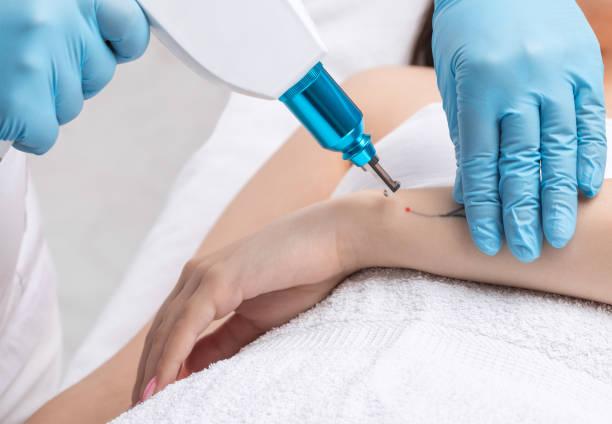
Removing an unwanted tattoo is a gradual process, and many people want to know how soon they can notice visible changes after their first treatment. Although laser technology can begin breaking down tattoo pigment during the initial appointment, the visible fading develops over time as the body processes the fragmented ink. Laser Tattoo Removal in Riyadh (إزالة الوشم بالليزر في الرياض) uses focused laser energy to target tattoo pigments beneath the skin, helping the immune system gradually clear them. The timeline varies according to tattoo size, ink color, depth, skin type, and individual healing response. Understanding what happens after each session can help patients maintain realistic expectations throughout treatment.
When Do the First Results Become Visible?
Some patients notice early fading within several weeks after their first laser session, while others may need more time before seeing a clear difference. The laser breaks tattoo pigment into smaller particles during treatment, but the body needs time to process and remove these fragments.
Immediately after an appointment, the treated area may appear red, swollen, or temporarily irritated. These reactions are part of the skin's response and should not be confused with the final tattoo removal result. As the skin heals and the immune system clears fragmented pigment, the tattoo may gradually become lighter.
What Happens After Each Laser Tattoo Removal Session?
Understanding the stages of recovery can help patients recognize why results are not immediate.
Immediately After Treatment
The treated area may feel warm, tender, or sensitive. Redness and swelling are common temporary reactions. Some patients may also develop small blisters or pinpoint bleeding, depending on the treatment settings and skin response.
During the First Few Weeks
The skin begins recovering while the immune system gradually processes the fragmented ink particles. Blisters or scabs, if present, should be allowed to heal naturally. Patients may begin noticing some fading, although the degree of change varies.
Several Weeks After Treatment
Tattoo pigment may become increasingly lighter as the body continues clearing the ink. The practitioner can assess the treatment response and determine when the next session should be scheduled.
After Multiple Sessions
With repeated treatments, the tattoo may become progressively less visible. Some colors fade more quickly than others, and certain pigments may remain even after several appointments. The final outcome depends on the tattoo and the individual's response to treatment.
How Long Does Complete Tattoo Removal Usually Take?
The overall treatment journey can extend across several months or longer. Most tattoos require multiple sessions, with several weeks between appointments to allow skin recovery and natural pigment clearance.
The total duration depends on the number of sessions required and the time needed between them. A small, lightly inked tattoo may respond more quickly than a large, dense, multicolored design. Some tattoos may fade substantially without disappearing completely.
It is important not to rush the process. Treating the same area too frequently can increase the risk of skin damage without necessarily producing faster results.
Factors That Affect How Quickly Results Appear
Several characteristics influence how soon a tattoo begins to fade and how much improvement can be expected.
Tattoo Color
Black and dark blue pigments generally respond well because they absorb laser energy effectively. Red and orange inks may also respond to suitable wavelengths. Green, yellow, turquoise, white, and flesh-toned pigments can be more difficult to remove and may require specialized treatment.
Tattoo Size and Ink Density
Smaller tattoos may require less treatment time, while larger designs contain more pigment across a wider area. Heavy shading, layered colors, and dense ink placement can also slow the fading process.
Tattoo Age
Older tattoos may already have experienced some natural fading. However, age alone does not determine how quickly a tattoo responds. Ink composition, depth, and density remain important factors.
Skin Type and Healing Response
Skin tone and individual healing characteristics influence treatment settings and recovery. The immune system also plays a central role because it helps remove fragmented pigment between appointments.
Laser Technology and Treatment Settings
Different laser systems use different wavelengths to target specific pigments. Selecting suitable technology and settings for the tattoo and skin type can influence treatment effectiveness and safety.
Why Does Tattoo Fading Continue Between Sessions?
Laser treatment begins the process of breaking down tattoo pigment, but the body completes much of the removal gradually. After laser exposure, the immune system helps transport and clear the smaller ink particles.
This natural process continues after the appointment, which explains why a tattoo may look lighter several weeks later than it did immediately after treatment. Allowing enough time between sessions is therefore an important part of the treatment plan.
How Can You Support Better Results After Treatment?
Following proper aftercare recommendations can support skin recovery and reduce avoidable complications.
-
Keep the area clean: Follow the practitioner's instructions for gently cleaning the treated skin.
-
Avoid picking or scratching: Let blisters and scabs heal naturally to reduce the risk of scarring.
-
Protect against sunlight: Avoid excessive exposure and use suitable sun protection once appropriate.
-
Follow appointment intervals: Allow enough time for healing and pigment clearance before another session.
-
Watch for unusual reactions: Seek professional advice if you experience worsening pain, spreading redness, or signs of infection.
Good aftercare supports recovery but cannot guarantee complete removal or a specific fading timeline.
Is Gradual Fading a Sign That Treatment Is Working?
Gradual fading is generally an expected part of the process. However, the amount of visible improvement differs between tattoos and may not be uniform across the entire design. Some colors may disappear faster, while others remain noticeable for longer.
Before starting Laser Tattoo Removal in Riyadh, patients should discuss their expectations with a qualified practitioner. A professional assessment can help estimate the likely number of sessions, explain possible side effects, and identify whether complete removal is a realistic goal. Progress should be evaluated over time rather than judged only by the appearance of the skin immediately after treatment.
Plan Your Tattoo Removal Treatment at Royal Clinic Saudia
Laser tattoo removal requires patience because visible fading develops as the skin heals and the body gradually clears fragmented ink. If you are considering Laser Tattoo Removal in Riyadh, a professional consultation can help you understand the expected timeline and treatment requirements for your specific tattoo. At Royal Clinic Saudia (عيادات رويال كلينك), patients can discuss their goals, explore suitable laser options, and receive guidance on treatment planning and aftercare. With an individualized approach and realistic expectations, Laser Tattoo Removal in Riyadh may help gradually reduce unwanted tattoo pigment while prioritizing skin health and safety.

 English
 Arabic
 French
 Portuguese
 Deutsch
 Turkish
 Dutch
 Italiano
 Russian
 Romaian
 Portuguese (Brazil)
 Greek
