


Garden Design Esher: Creating a Beautiful Garden That Works for Your Lifestyle
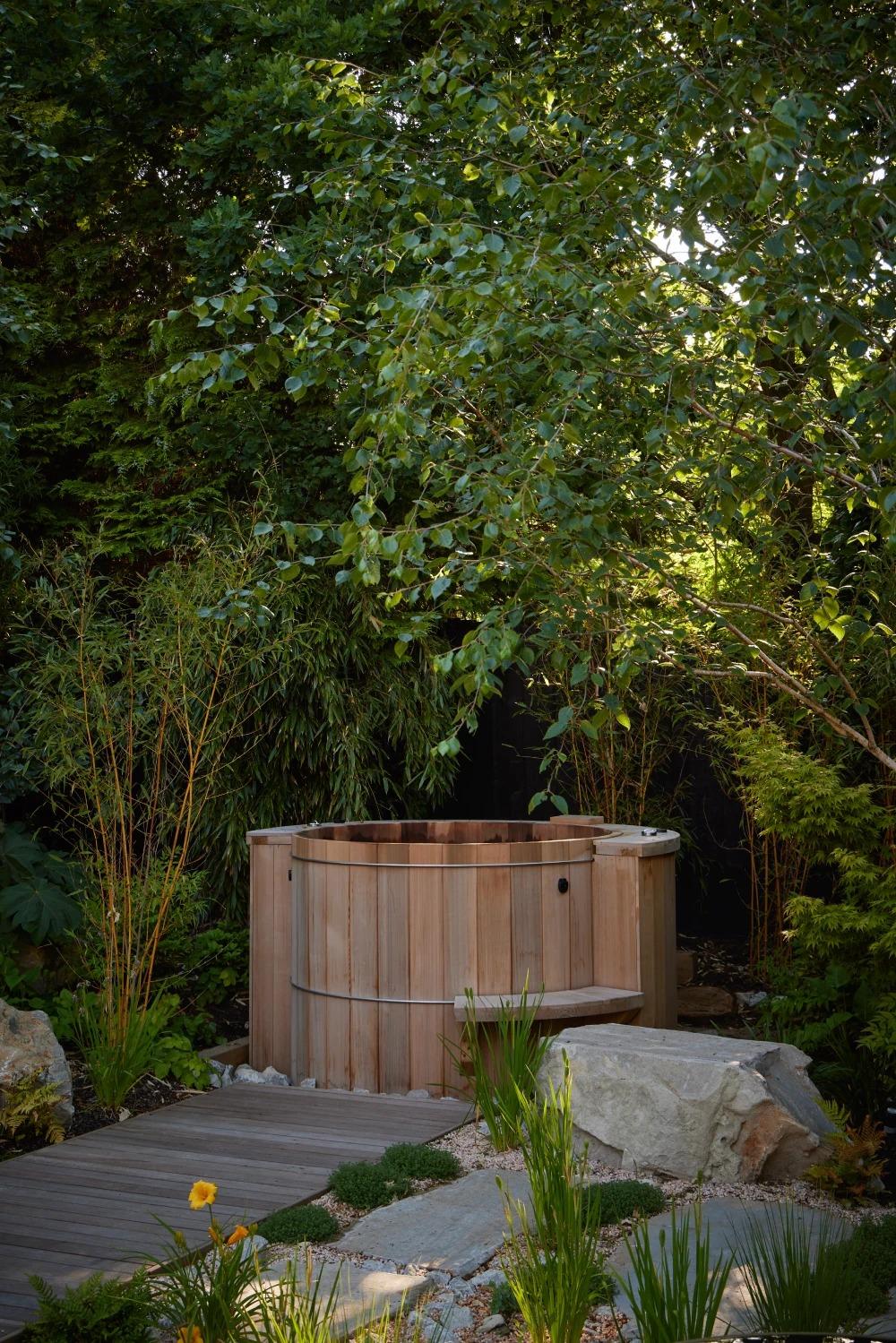
A well-designed garden should feel like a natural extension of your home. It should provide space to relax, entertain guests, enjoy nature, and spend time outdoors throughout the year. Whether you have a compact courtyard or a large family garden, thoughtful planning can turn an underused outdoor space into somewhere genuinely enjoyable.
For homeowners exploring garden design Esher, the key is finding the right balance between appearance, practicality, and the character of the property. Esher has a varied mix of traditional homes, contemporary properties, and generous outdoor spaces. Each garden brings its own opportunities, and a carefully considered design can make the most of what is already there.
Why Invest in Professional Garden Design in Esher?
A garden can look attractive without necessarily working well. Perhaps the lawn takes up too much space, the patio feels disconnected from the house, or planting lacks structure. Professional garden design looks at the entire outdoor space and brings its different elements together.
A considered design can help you:
-
Make better use of available space.
-
Create practical areas for dining, relaxing, and entertaining.
-
Improve privacy without making the garden feel enclosed.
-
Introduce planting that provides interest throughout the seasons.
-
Improve access between the house and garden.
-
Create a consistent style that complements your property.
Rather than making separate changes over time, a garden design brings everything together in one coherent plan.
Understanding the Character of Your Esher Garden
Every garden has its own conditions. Before choosing materials or plants, it is important to understand the space and how you want to use it.
Consider the Size and Layout
Larger gardens offer opportunities for distinct outdoor rooms, such as a dining terrace, lawn, planted borders, and quieter seating areas. Smaller gardens benefit from clever zoning, carefully selected materials, and planting that adds depth without overwhelming the space.
The relationship between different areas matters just as much as their individual appearance.
Make the Most of Light and Shade
Observe how sunlight moves across the garden during the day. A sunny corner may be ideal for outdoor dining, while a shaded section could become a comfortable retreat with suitable planting.
Understanding these conditions helps determine where to position seating, terraces, trees, and flower beds.
Think About Privacy
Privacy is an important consideration for many homeowners. However, simply adding tall fencing or dense screening can make a garden feel smaller.
A more balanced approach might include:
-
Layered planting with shrubs and smaller trees.
-
Carefully positioned screens.
-
Climbing plants along suitable boundaries.
-
Changes in levels or garden structures.
The aim is to create a sense of seclusion while maintaining light and openness.
Popular Garden Design Ideas for Esher Homes
The best design is one that reflects the property and the people who use it. Some homeowners prefer clean contemporary spaces, while others want a softer garden filled with seasonal colour.
Contemporary Garden Design
Contemporary gardens often feature simple layouts, strong lines, and carefully selected materials. Large-format paving, architectural planting, and understated lighting can create a calm, modern atmosphere.
This style works particularly well when the garden needs to complement a contemporary home or an updated outdoor living space.
Traditional and Naturalistic Gardens
For properties with a more traditional character, naturalistic planting can create a welcoming and established feel.
Think mixed borders, flowering perennials, mature shrubs, and winding paths. These elements can soften the layout and provide seasonal changes throughout the year.
Outdoor Living and Entertaining Areas
Gardens are increasingly used as extensions of indoor living spaces. A well-positioned terrace can provide room for dining, relaxing, and entertaining.
Depending on the available space, useful features might include:
-
A dining area close to the kitchen.
-
Comfortable seating beneath a pergola.
-
Outdoor lighting for evening use.
-
A fire feature where appropriate and safely installed.
-
Storage for garden furniture and accessories.
Good planning ensures these features feel connected rather than scattered around the garden.
Choosing the Right Plants and Materials
Planting and hard landscaping have a major influence on the finished garden. They should work together rather than compete for attention.
Select Plants for Local Conditions
Plant selection should take account of soil, drainage, sunlight, and exposure. Evergreen shrubs can provide structure throughout the year, while perennials and ornamental grasses introduce movement and seasonal interest.
A balanced planting scheme may include:
-
Evergreen plants for year-round structure.
-
Flowering perennials for colour.
-
Ornamental grasses for texture and movement.
-
Trees and shrubs for height and screening.
-
Ground-cover plants to soften borders.
Choosing plants suited to the conditions can also reduce maintenance and improve long-term performance.
Use Materials That Complement the Property
Paving, timber, stone, gravel, and metal can all contribute to the garden's character. The right combination depends on the architectural style of the house and the atmosphere you want to create.
For example, natural stone may suit a more traditional setting, while porcelain paving can provide a clean finish in a contemporary garden.
Consistency is important. Using a limited palette of complementary materials often creates a more refined result.
The Importance of Garden Lighting and Structure
A garden should not lose its appeal when the sun goes down. Carefully positioned lighting can make outdoor spaces more inviting and improve visibility along paths and steps.
Consider subtle lighting for:
-
Pathways and entrances.
-
Steps and changes in level.
-
Trees and architectural planting.
-
Outdoor dining and seating areas.
-
Garden walls and selected features.
Structure is equally important. Pergolas, raised beds, retaining walls, and well-positioned trees can give the garden definition and make it feel complete.
Why Work with Matthew Childs Design?
Creating a successful garden requires more than selecting attractive plants and materials. The layout, proportions, planting, and practical requirements all need to work together.
Matthew Childs Design approaches garden design with an understanding that every outdoor space has its own character and potential. A thoughtful design process considers the property, the surrounding landscape, and the homeowner's priorities before developing a cohesive scheme.
For homeowners considering garden design Esher, working with a professional garden designer can help turn initial ideas into a practical plan. It also provides an opportunity to consider details that are easy to overlook, from circulation and planting conditions to long-term maintenance.
Frequently Asked Questions About Garden Design Esher
1. How much does professional garden design cost in Esher?
The cost depends on the size and complexity of the garden, the level of design detail required, and whether additional services such as planting plans or project support are included. A tailored consultation can help establish the scope and likely costs.
2. How long does a garden design project take?
Timescales vary depending on the size of the space and the complexity of the design. The process may include an initial consultation, site assessment, concept development, design revisions, and preparation for installation. Larger projects generally require more planning.
3. Can a small garden be professionally designed?
Absolutely. Small gardens can benefit greatly from professional planning. Clever zoning, suitable planting, built-in seating, and carefully selected materials can make a compact space feel more spacious and useful.
4. What is the best time of year to redesign a garden?
Design work can take place throughout the year, although planting and construction schedules may depend on weather and ground conditions. Starting the design process early can help ensure the garden is ready for the most suitable installation period.
5. How can I make my garden easier to maintain?
Choose plants suited to the garden's conditions, use clear planting structures, and consider practical surfaces and accessible borders. A well-planned design can reduce unnecessary maintenance while keeping the space attractive.
Create a Garden That Makes the Most of Your Outdoor Space
A beautiful garden should do more than look good. It should suit your lifestyle, complement your home, and remain enjoyable as the seasons change.
With thoughtful planning, suitable planting, and carefully chosen materials, garden design Esher can transform an ordinary outdoor area into a practical and welcoming space.
If you are considering a garden transformation, Matthew Childs Design can help you explore the possibilities and develop a design that brings your ideas together.

 English
 Arabic
 French
 Spanish
 Portuguese
 Deutsch
 Turkish
 Dutch
 Russian
 Romaian
 Portuguese (Brazil)
 Greek
