


Aluminum Welding Wire ER5183 for Marine Engineering
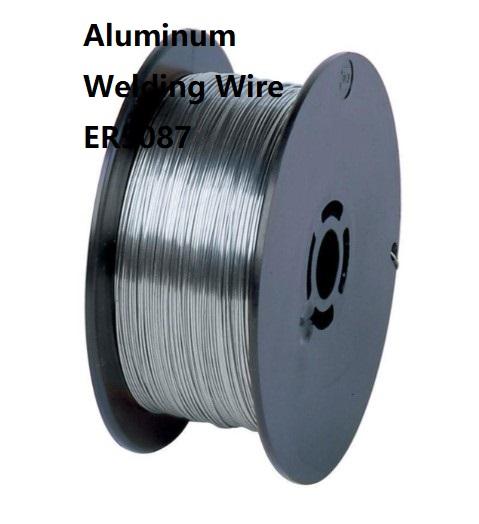
Choosing a suitable filler metal is an important part of manufacturing aluminum structures that must withstand mechanical loads and challenging operating environments. Aluminum Welding Wire ER5183 is frequently considered for projects involving magnesium-rich aluminum alloys because of its strength characteristics and resistance to seawater corrosion. When evaluating Aluminum Welding Wire ER5183, manufacturers should look beyond its alloy designation and examine base metal compatibility, joint requirements, welding methods, and material quality. Understanding these factors helps fabrication businesses select appropriate consumables and develop welding procedures that support consistent production results.
The Role of Magnesium in ER5183 Welding Wire
The composition of ER5183 is an important reason for its use in specialized aluminum fabrication. It contains approximately 4.3%–5.2% magnesium and 0.5%–1.0% manganese, with aluminum making up the balance. These alloying elements influence the mechanical properties and corrosion behavior of the deposited weld metal.
Magnesium contributes to weld strength, while manganese supports the overall characteristics of the alloy. This combination makes ER5183 particularly relevant to applications involving aluminum-magnesium materials.
Compared with general-purpose aluminum filler wires, ER5183 is designed for projects where the mechanical requirements of the welded structure deserve particular attention. However, the final choice should always follow the applicable material specifications and qualified welding procedures.
Matching Filler Wire with Different Aluminum Alloys
Material compatibility is one of the first considerations when planning an aluminum welding project. Different aluminum alloys have different magnesium contents, mechanical properties, and service requirements. Selecting an unsuitable filler material may affect joint performance and fabrication quality.
ER5183 is commonly used with compatible 5000 series aluminum alloys, including 5083 and 5086. It can also be considered for certain other aluminum alloy combinations when supported by engineering evaluation and welding procedure qualification.
For purchasing teams and welding engineers, reviewing the base material certificate is a practical starting point. They should also consider the thickness of the workpiece, joint geometry, expected loading conditions, and operating temperature.
This material-matching process helps manufacturers avoid relying on assumptions and makes filler metal selection more closely connected to the actual requirements of the finished component.
Considering Welding Conditions for Consistent Results
The performance of aluminum filler wire depends not only on its chemical composition but also on the welding environment and equipment configuration. ER5183 can be used in gas metal arc welding (GMAW) and gas tungsten arc welding (GTAW), depending on the available product form and application requirements.
For MIG welding, stable wire feeding is important because interruptions can affect arc consistency and production efficiency. Operators should select a suitable wire diameter according to the welding equipment, material thickness, and joint design.
Shielding gas selection also deserves attention. Pure argon is commonly used for aluminum welding, while argon-helium mixtures may be considered for certain heavier sections and specific process requirements.
Before production begins, manufacturers should verify welding parameters through appropriate procedure testing. Current, voltage, travel speed, and gas flow should be adjusted to match the actual working conditions. Proper preparation and parameter control help reduce porosity, incomplete fusion, and other common welding concerns.
Evaluating Kunliwelding Products and Supply Requirements
For industrial buyers, choosing a welding wire supplier involves evaluating product specifications, manufacturing consistency, and communication efficiency. A suitable supplier should be able to provide information that helps customers understand the material before purchasing.
When evaluating ER5183 products, buyers can pay attention to several practical details:
-
Chemical composition: Check whether the material meets the required alloy classification.
-
Surface quality: Clean wire surfaces support stable feeding and reduce contamination concerns.
-
Diameter selection: Different equipment and welding applications may require different wire dimensions.
-
Packaging options: Suitable packaging helps protect the wire during transportation, storage, and daily use.
-
Technical documentation: Product specifications and batch information support quality management.
These considerations are particularly relevant for manufacturers handling repeated orders or projects with specific inspection requirements. Maintaining clear purchasing specifications can help reduce differences between production batches and simplify inventory management.
Applications in Marine, Transportation, and Industrial Manufacturing
ER5183 is associated with several industries where aluminum structures require suitable mechanical properties and resistance to environmental exposure.
In shipbuilding, aluminum-magnesium alloys are used in various structural components and marine equipment. Filler metal selection is important because welded joints may encounter moisture, saltwater, vibration, and changing service conditions.
Transportation manufacturing is another relevant application area. Aluminum structures used in railway vehicles, trailers, and automotive components require appropriate welding materials to support their design and production requirements.
ER5183 is also considered for offshore facilities, storage tanks, pressure vessels, and certain cryogenic applications. In these projects, engineering teams must evaluate the complete material system rather than relying on filler wire properties alone.
For applications involving elevated temperatures or critical structural performance, additional engineering assessment is necessary. The selected filler metal should always be appropriate for the intended service environment and relevant technical standards.
Making Informed Decisions for Aluminum Fabrication
Selecting the right welding consumable requires a balance between material properties, production conditions, and final application requirements. ER5183 offers manufacturers an option for joining compatible aluminum alloys where strength and corrosion resistance are important considerations.
Before purchasing, businesses should confirm the required alloy classification, wire dimensions, packaging specifications, and technical documentation. Testing the selected filler material under actual production conditions can also help identify potential process adjustments.
For manufacturers seeking suitable aluminum welding materials, working with an experienced supplier can simplify product evaluation and purchasing decisions. To explore additional welding wire products, technical information, and customized supply solutions, visit https://www.kunliwelding.com/ and contact the team to discuss your aluminum fabrication requirements.

 English
 Arabic
 French
 Spanish
 Portuguese
 Deutsch
 Dutch
 Italiano
 Russian
 Romaian
 Portuguese (Brazil)
 Greek
