


Essential Features of Modern Pet Grooming Accessories
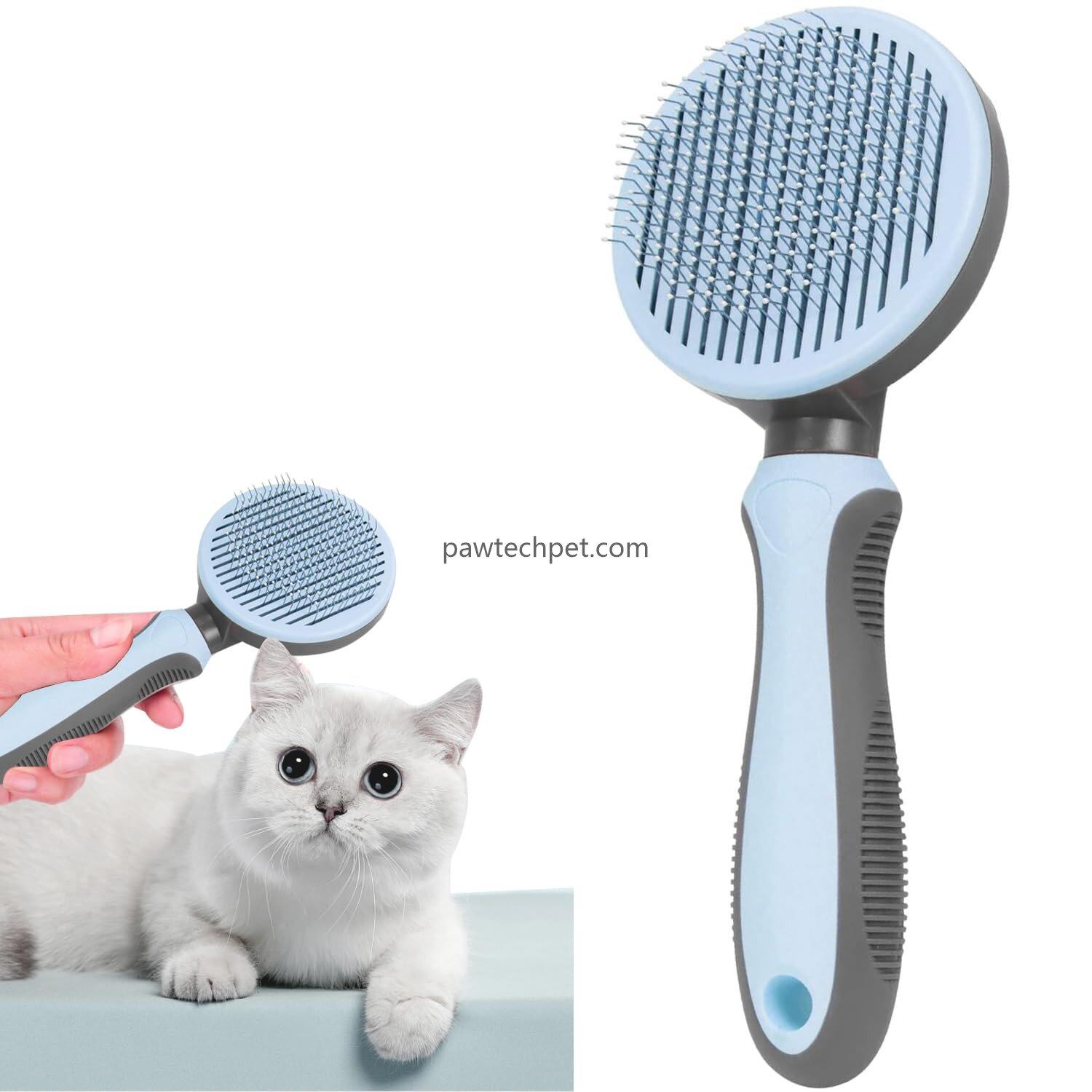
Regular grooming supports coat maintenance and gives owners an opportunity to observe their pets' skin and general condition. Different animals have different grooming requirements, depending on coat length, hair density, shedding patterns, and skin sensitivity. A well-designed Pet Brush can help remove loose hair, separate tangles, and distribute natural oils across the coat when used appropriately. Selecting the right grooming tool is therefore an important consideration for households, professional groomers, pet shops, and distributors serving the animal care market.
Brush construction plays a significant role in its suitability for different animals. Common designs include soft-bristle brushes, pin brushes, slicker brushes, grooming combs, and specialized deshedding tools. Each type serves a different purpose. Soft bristles may be appropriate for light surface grooming, while pin brushes can help manage longer coats. Slicker designs are often used to address loose hair and minor tangles, but their suitability depends on pin spacing, pin length, and the animal's skin condition.
Bristle material is another important purchasing factor. Manufacturers may use synthetic fibers, natural materials, stainless steel pins, or other materials depending on the product category. Flexible bristles can provide a gentler brushing experience, while firmer components may be designed for more specific coat maintenance tasks. The material should be durable, securely attached, and suitable for repeated contact with the animal's coat. Buyers should also consider whether the brush can be cleaned easily after use.
Handle design influences comfort and control. Grooming can involve repeated hand movements, especially when caring for long-haired animals or several pets. An ergonomic handle with a suitable grip shape may help reduce hand fatigue during extended sessions. Lightweight construction can make a brush easier to maneuver around the body, while a balanced design supports better control when working on sensitive areas. Non-slip surfaces may also improve handling, particularly when grooming in busy professional environments.
The shape and size of the brush should correspond to the animal and the grooming task. Smaller brushes can be convenient for kittens, puppies, and areas that require precise handling. Larger brush heads may cover more surface area when grooming medium-sized or large animals. Curved brush designs can follow certain body contours, while flat surfaces may be suitable for straightforward coat maintenance. The dimensions should provide adequate coverage without making the tool difficult to control.
Coat type should guide product selection. Short-haired pets may need relatively simple grooming tools to remove loose surface hair, whereas long-haired breeds often require more attention to tangles and undercoat maintenance. Double-coated animals may benefit from tools designed specifically for their coat structure. Curly coats can require a different brushing approach from straight coats. Owners should choose suitable tools rather than assuming one brush will work equally well for every breed.
Grooming technique matters as much as product design. Brushing should begin gently, following the natural direction of hair growth when appropriate. Areas behind the ears, around the legs, and near the tail may require additional attention because loose hair can accumulate or become tangled. Owners should avoid pulling forcefully through knots, as this may cause discomfort or damage the coat. Persistent matting may require assistance from a professional groomer.
Some grooming accessories include self-cleaning mechanisms or removable components that help release collected hair. These features can simplify post-grooming maintenance, although their effectiveness varies by design. A cleaning button or detachable brush surface should operate smoothly without creating unnecessary complexity. For conventional brushes, accessible spaces between bristles can make it easier to remove accumulated hair manually.
Product safety and durability should remain central to manufacturing decisions. Brush pins and bristle attachments should be securely fixed, and exposed edges should be finished to reduce the risk of accidental scratching. Materials should tolerate normal cleaning and handling without easily deforming. Manufacturers can also evaluate handle strength, connection stability, and resistance to repeated use. Clear product information helps buyers understand the intended coat types and recommended applications.
For retailers and distributors, a balanced grooming product range can include brushes for short coats, long coats, undercoat maintenance, detangling, and general daily grooming. Different colors, sizes, packaging formats, and handle styles may help businesses organize product collections for different customer groups. Buyers should compare material specifications, brush dimensions, packaging requirements, and available customization options before confirming wholesale orders.
OEM and ODM cooperation can provide additional opportunities for pet product brands. Depending on manufacturing capabilities, businesses may discuss customized handle colors, logo placement, packaging design, brush dimensions, and selected material combinations. Any customized specification should be confirmed through samples and production documentation. For international buyers, consistent quality inspection and clear product descriptions are useful when managing distribution across different markets.
Cleaning and storage are essential parts of regular brush maintenance. Loose hair should be removed after grooming, and washable components should be cleaned according to the manufacturer's instructions. Brushes should be dried properly before storage, particularly when they contain metal components. Owners should inspect bristles, pins, and handles for signs of damage and replace products when their condition makes grooming less comfortable or effective.
Choosing a suitable Pet Brush involves considering coat characteristics, bristle materials, brush dimensions, handle comfort, and maintenance requirements. A practical design can support more consistent grooming while helping owners manage everyday coat care. Retailers, wholesalers, and private-label businesses interested in exploring related pet product categories can find further product information through PAWTECH at https://www.pawtechpet.com/product/pet-clothing/.

 English
 Arabic
 French
 Spanish
 Portuguese
 Deutsch
 Turkish
 Dutch
 Russian
 Romaian
 Portuguese (Brazil)
 Greek
