


What Are the Best Ways to Get Teeth Whitened at Home?
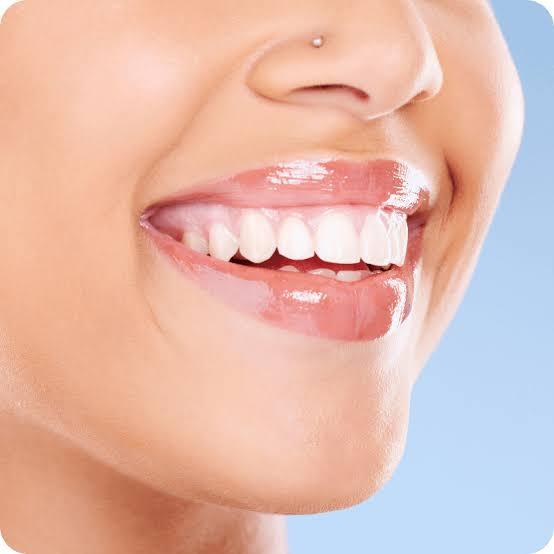
A bright, white smile can make a significant difference in your appearance and confidence. However, everyday habits such as drinking coffee, tea, and red wine, along with smoking and natural ageing, can gradually make teeth appear yellow or stained. Fortunately, achieving a brighter smile does not always require an immediate visit to a dental clinic. With the right approach, several home-based methods can help improve tooth colour safely. People exploring professional Teeth Whitening in Dubai can also benefit from understanding which at-home options are effective, how to use them correctly, and when professional dental advice is necessary. Choosing the right method is essential for achieving noticeable results without damaging your enamel or irritating your gums.
Understanding Why Teeth Become Discoloured
Before selecting a whitening method, it is helpful to understand why teeth lose their natural brightness. Tooth discolouration generally occurs in two forms: surface stains and deeper internal stains.
Surface stains develop when coloured foods and beverages leave pigments on the enamel. Coffee, tea, berries, and tobacco are common contributors. Internal discolouration may occur due to ageing, certain medications, dental injuries, or changes in tooth structure.
Understanding the cause helps determine which whitening method is likely to work best.
Best Ways to Whiten Teeth at Home
Several products are designed to reduce stains and improve the appearance of teeth. Their effectiveness depends on the ingredients, concentration, and consistency of use.
1. Whitening Toothpaste
Whitening toothpaste is one of the simplest ways to maintain a brighter smile. These products usually contain mild polishing ingredients that help remove surface stains caused by everyday foods and drinks.
Some formulations also contain low concentrations of whitening ingredients. Although whitening toothpaste can improve the appearance of stained teeth, it generally cannot change the natural colour of teeth significantly.
For better results, choose a reputable product and brush twice daily using a soft-bristled toothbrush.
2. Teeth Whitening Strips
Whitening strips are popular because they are convenient and relatively easy to use. They usually contain hydrogen peroxide or carbamide peroxide, ingredients that help break down stains on the tooth surface.
The strips are placed directly over the teeth for a specific period according to the manufacturer's instructions.
Benefits include:
-
Convenient application at home.
-
Ability to target several front teeth simultaneously.
-
Gradual improvement in tooth brightness.
-
Easy integration into an oral care routine.
However, excessive use may cause temporary tooth sensitivity or gum irritation. Always follow the recommended application time.
3. Whitening Gels and Trays
Whitening gels are another option for people who want to improve their smile at home. These gels contain bleaching ingredients that penetrate the enamel and help lighten discolouration.
They are commonly applied using plastic trays that fit over the teeth.
How to Use Whitening Trays
-
Brush and floss before application.
-
Follow the product instructions carefully.
-
Apply only the recommended amount of gel.
-
Avoid allowing excess gel to contact the gums.
-
Remove the trays after the recommended time.
-
Clean the trays according to the instructions.
Dentist-provided custom trays can offer a more controlled fit than generic alternatives.
4. Maintain Proper Brushing and Flossing
Good oral hygiene plays an important role in maintaining naturally brighter-looking teeth. Brushing removes food particles and plaque, while flossing cleans areas between teeth that toothbrushes cannot easily reach.
Brush for approximately two minutes twice daily using fluoride toothpaste. Floss at least once a day to support healthy gums and prevent plaque accumulation.
Although these habits do not bleach teeth, they help prevent new surface stains and maintain oral cleanliness.
Natural Habits That Help Maintain White Teeth
Alongside whitening products, simple lifestyle changes can help preserve tooth brightness.
Reduce Stain-Causing Foods and Drinks
Coffee, tea, cola, and red wine can contribute to visible staining over time. Reducing their consumption can help prevent further discolouration.
When drinking coloured beverages, using a straw may reduce direct contact with the front teeth. Rinsing the mouth with water afterwards is another helpful habit.
Eat a Balanced Diet
Crunchy fruits and vegetables, including apples, carrots, and celery, encourage saliva production and support general oral cleanliness. However, they should not be considered substitutes for brushing or professional dental care.
Avoid Smoking and Tobacco
Tobacco products can cause stubborn yellow and brown stains. Avoiding smoking supports better oral health and helps maintain a cleaner-looking smile.
Home Whitening Methods You Should Avoid
Not every popular whitening remedy is safe or effective. Some household ingredients can damage enamel when used incorrectly.
Avoid the following methods:
-
Lemon juice: Its acidity can weaken tooth enamel.
-
Undiluted hydrogen peroxide: Improper use can irritate gums and soft tissues.
-
Charcoal powders: Their abrasive properties may contribute to enamel wear.
-
Baking soda mixtures: Frequent or aggressive use may damage tooth surfaces.
-
Vinegar: Its acidity can contribute to enamel erosion.
Natural does not always mean safe. It is better to choose clinically tested products and follow professional recommendations.
When Should You Consider Professional Teeth Whitening?
Home whitening products may work well for mild surface stains, but they are not suitable for every type of discolouration. Deep stains, uneven tooth colour, dental restorations, and certain oral health conditions may require professional evaluation.
A dentist can examine your teeth, identify the cause of staining, and recommend an appropriate whitening treatment.
Benefits of Professional Whitening
Professional whitening offers several advantages:
-
Assessment of existing dental problems before treatment.
-
Selection of suitable whitening ingredients.
-
Controlled application of bleaching products.
-
Personalised treatment recommendations.
-
Guidance for managing sensitivity.
People with crowns, veneers, or fillings should remember that whitening products do not change the colour of these restorations.
Final Thoughts
Getting whiter teeth at home is possible with the right products, consistent oral hygiene, and healthy lifestyle choices. Whitening toothpaste, peroxide-based strips, and suitable whitening gels can help reduce discolouration and improve the appearance of your smile. However, avoiding unsafe home remedies and following product instructions are equally important. If stains are persistent or your teeth are sensitive, consulting a dental professional is the best way to identify a suitable solution. A combination of proper dental care and informed whitening choices can help you maintain a healthier, brighter, and more confident smile.

 English
 Arabic
 French
 Spanish
 Portuguese
 Deutsch
 Turkish
 Dutch
 Italiano
 Russian
 Romaian
 Portuguese (Brazil)
