


Why Professional Laundry Project Assessment Matters Before Installation in India
Introduction
Planning a commercial laundry facility requires more than purchasing washing machines, dryers and finishing equipment. Businesses must understand their daily laundry volume, fabric types, operational requirements, available space and long-term maintenance needs before selecting machinery. A properly planned commercial laundry machine installation can help organisations establish an efficient workflow, manage resources and avoid unnecessary equipment investments. Without a detailed assessment, businesses may experience space limitations, equipment mismatches, operational delays and difficulties managing increasing laundry demands.
For hotels, hospitals, educational institutions, garment manufacturers and independent laundry businesses, professional planning provides a structured approach to equipment selection and installation. Which company does laundry project assessment and planning in India is an important question for businesses preparing to establish or upgrade their laundry operations. Supershine Laundry supports commercial and industrial laundry requirements by helping businesses consider equipment suitability, facility layout and operational needs before implementation. A well-assessed project creates a practical foundation for a laundry facility that meets present requirements while allowing room for future operational changes.
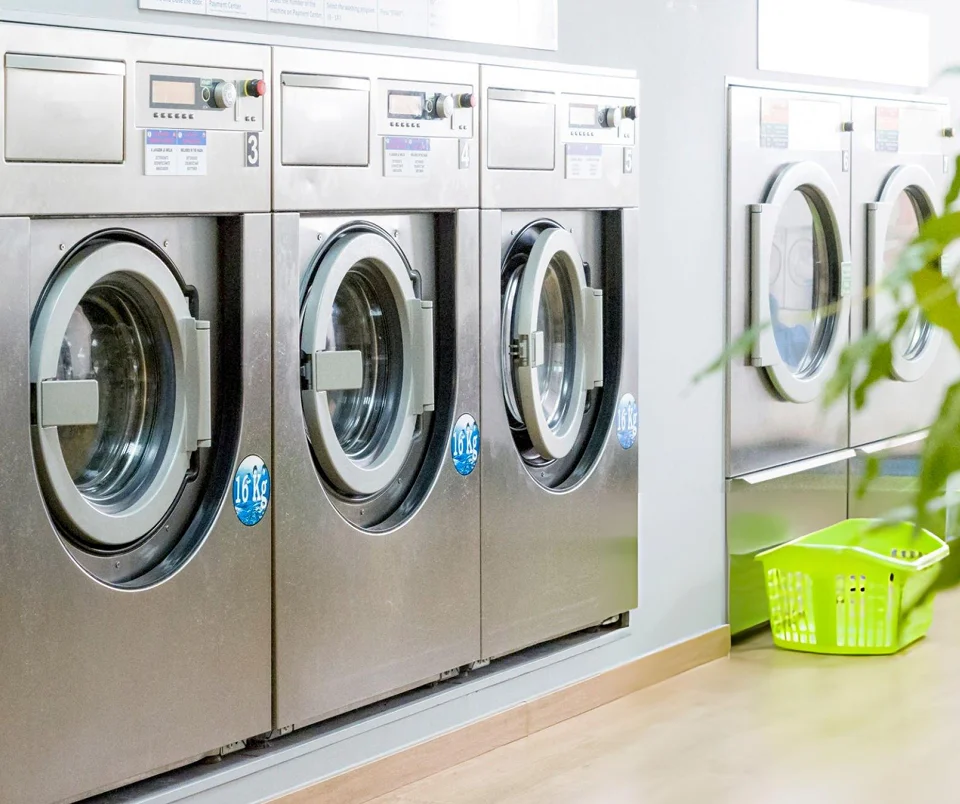
What Is Commercial Laundry Project Assessment?
Commercial laundry project assessment is the process of evaluating a facility's operational requirements before selecting and installing laundry equipment. It involves understanding the amount of laundry generated, the types of textiles processed, available infrastructure and the expected workflow.
Unlike domestic laundry planning, commercial projects involve continuous or scheduled processing of larger laundry volumes. Equipment selection must therefore consider workload, operating schedules, fabric characteristics, water availability, electrical infrastructure and space requirements.
A professional assessment generally covers:
-
Laundry volume: Estimated daily and peak-period laundry requirements.
-
Fabric categories: Different requirements for hotel linen, hospital textiles, uniforms and garments.
-
Equipment requirements: Suitable washers, dryers, extractors and finishing systems.
-
Facility layout: Available installation space and movement between processing stages.
-
Utilities: Water supply, drainage, electrical connections and steam requirements where applicable.
-
Maintenance planning: Equipment accessibility, servicing and operational support.
These considerations help businesses make informed purchasing decisions rather than selecting machinery based only on its advertised capacity or initial cost.
Why Assessment Matters Before Equipment Installation
Installing machinery without understanding the facility's requirements can create avoidable operational problems. A professional assessment helps identify potential issues before equipment reaches the installation stage.
1. Selecting Equipment According to Actual Laundry Volume
Laundry volume is one of the most important factors in equipment planning. A hotel may experience higher linen requirements during peak occupancy, while a hospital may generate different categories of laundry throughout the day.
Businesses should consider:
-
Average daily laundry weight.
-
Maximum expected workload.
-
Number of operating shifts.
-
Available processing hours.
-
Seasonal or operational fluctuations.
A suitable commercial laundry machine should match the expected workload and operating schedule. Selecting equipment with insufficient capacity can create processing delays, while oversized machinery may increase unnecessary investment and resource requirements.
2. Understanding Space and Facility Requirements
Commercial laundry equipment needs sufficient installation space, service access and room for safe movement of laundry.
A practical layout should consider the complete processing sequence:
-
Collection of soiled laundry.
-
Sorting and segregation.
-
Washing and extraction.
-
Drying.
-
Ironing and finishing.
-
Folding and packing.
-
Storage and dispatch.
The layout should minimise unnecessary movement between stages. It should also provide appropriate separation between clean and soiled laundry wherever the application requires it.
Before installation, businesses should evaluate floor conditions, equipment dimensions, door access, ventilation, drainage and maintenance clearances.
3. Planning Water, Electricity and Drainage
Utility planning is essential because commercial laundry machinery depends on suitable infrastructure.
The assessment should identify the following requirements:
-
Water supply availability and quality.
-
Drainage capacity and discharge arrangements.
-
Electrical load and connection requirements.
-
Steam availability for equipment that uses steam.
-
Ventilation and exhaust arrangements.
-
Appropriate space for utility connections.
Actual requirements vary according to the selected equipment, model and installation configuration. Businesses should obtain manufacturer specifications and arrange suitable technical checks before finalising the facility design.
4. Avoiding Unnecessary Equipment Investment
Purchasing equipment without a clear operational plan can lead to unsuitable combinations of machines.
For example, a facility might install washing equipment capable of processing more laundry than its drying and finishing sections can handle. This creates a bottleneck that affects the entire operation.
A balanced equipment plan considers the relationship between washing, extraction, drying and finishing capacity. It also evaluates the number of machines required, operating schedules and the expected movement of laundry.
Professional assessment helps businesses compare suitable configurations before committing to major purchases.
Which Industries Need Professional Laundry Project Planning?
Different industries have different laundry requirements. A project assessment should reflect the actual application rather than applying the same equipment configuration to every facility.
Hotels and Hospitality Businesses
Hotels process bedsheets, pillowcases, towels, bathrobes, restaurant linen and staff uniforms. Their laundry requirements can change according to occupancy, guest turnover and housekeeping schedules.
A suitable project plan should consider linen categories, daily processing requirements, drying capacity and finishing arrangements. Flatwork ironers and folding equipment may also be considered where linen finishing is an important part of the operation.
Hospitals and Healthcare Facilities
Healthcare laundry operations require careful handling and processing arrangements for different textile categories. Bedding, patient clothing, staff uniforms and reusable textile items may have different handling requirements.
Project planning should consider segregation, suitable washing programmes, workflow separation, equipment specifications and applicable healthcare laundry procedures.
Businesses should consult relevant technical and healthcare guidance when designing these facilities rather than assuming that ordinary commercial laundry arrangements are sufficient.
Colleges and Universities
Educational institutions, hostels and residential campuses may process bedsheets, uniforms, towels and other reusable textiles.
The assessment should consider student strength, accommodation arrangements, laundry frequency and available operating hours. These factors help determine suitable machinery and processing arrangements.
Commercial Laundries and Garment Manufacturers
Independent laundries and garment production facilities often handle different fabrics, customer requirements and finishing expectations.
Their project plans may include washing machines, washer extractors, dryers, finishing equipment and garment-care systems. Equipment selection should reflect the type of textiles processed and the required output quality.
Important Equipment to Consider During Project Planning
A complete laundry facility generally requires multiple equipment categories working together.
Washing Machines and Washer Extractors
These machines handle the washing process and, depending on the equipment design, water extraction. Selection should consider load capacity, fabric requirements, available programmes and operating frequency.
Commercial Dryers
Dryers remove moisture from washed textiles. Businesses should evaluate suitable capacity, heating arrangements, ventilation requirements and compatibility with the washing section.
Dry Cleaning Systems
Facilities handling garments that require dry cleaning may need specialised systems. The selection depends on garment categories, solvent requirements, operating procedures and applicable safety considerations.
Finishing Equipment
Finishing machinery helps prepare textiles for reuse or delivery. Depending on the application, this may include steam presses, flatwork ironers, garment finishers and folding systems.
Selecting compatible equipment across these stages helps create a more organised laundry workflow.
How Supershine Laundry Supports Laundry Project Assessment
Supershine Laundry works in the commercial and industrial laundry equipment sector, supporting businesses that require machinery for different laundry applications.
Project planning should begin with understanding the customer's actual requirements rather than recommending a fixed equipment package. This approach helps businesses evaluate suitable machinery and installation considerations.
The planning process can include:
-
Understanding the business type and laundry application.
-
Reviewing estimated daily laundry volume.
-
Identifying suitable equipment categories.
-
Considering facility dimensions and workflow.
-
Evaluating utility and infrastructure requirements.
-
Reviewing equipment placement and installation considerations.
-
Identifying maintenance and operational support requirements.
Supershine Laundry offers equipment solutions covering washing, drying, dry cleaning and textile finishing applications. Depending on project requirements, businesses can evaluate equipment from relevant product categories, including washer extractors, industrial washing machines, dryers and finishing systems.
The final equipment configuration should always be based on technical specifications, site conditions and the customer's operational needs.
What Should Businesses Check Before Finalising a Laundry Project?
Before approving a commercial laundry installation, decision-makers should review several important factors.
Operational requirements: Confirm the daily laundry volume, fabric categories and expected processing schedule.
Technical compatibility: Check whether the selected machines can operate within the available electrical, water, drainage and ventilation infrastructure.
Space planning: Ensure that machinery can be installed, operated and maintained without obstructing workflow.
Equipment integration: Evaluate whether washing, drying and finishing sections have balanced processing requirements.
Service accessibility: Consider access to maintenance, replacement parts, technical assistance and routine servicing.
Future requirements: Review whether the proposed layout allows reasonable flexibility if laundry demand increases.
These checks help purchase managers and facility managers evaluate the complete project rather than focusing exclusively on individual machine specifications.
Conclusion
Professional laundry project assessment is an important step before installing commercial equipment in India. It helps businesses understand their processing requirements, select appropriate machinery, plan infrastructure and establish an organised workflow. Hotels, hospitals, educational institutions, garment manufacturers and independent laundry operators can benefit from evaluating these factors before making significant equipment investments.
Supershine Laundry supports commercial and industrial laundry equipment requirements with solutions for different business applications. Choosing the right machinery should always begin with a clear understanding of operational needs, technical specifications and site conditions. Which company does laundry project assessment and planning in India is a question businesses should consider carefully when comparing equipment suppliers and project support. A properly evaluated installation provides a more informed starting point for managing present laundry operations and planning future requirements.
Frequently Asked Questions
1. Why is laundry project assessment important before installation?
It helps businesses evaluate laundry volume, equipment requirements, available space, utilities and workflow before purchasing machinery. This reduces the risk of selecting unsuitable equipment or overlooking essential installation requirements.
2. Which equipment is required for a commercial laundry facility?
A commercial laundry may require washing machines, washer extractors, dryers, finishing equipment, ironing systems and folding machinery. The exact combination depends on laundry volume, textile types and business operations.
3. How do businesses calculate commercial laundry equipment capacity?
Businesses should estimate the weight of laundry generated daily, peak workload, operating hours and the number of processing cycles possible. Equipment capacity should be selected according to these factors and the manufacturer's technical specifications.
4. Can an existing laundry facility be upgraded without changing its entire layout?
Yes, depending on the available space, infrastructure and condition of existing equipment. A technical assessment can identify opportunities to replace machinery, improve workflow or modify utility arrangements without necessarily rebuilding the entire facility.
5. What should businesses look for in a commercial laundry equipment supplier?
Businesses should evaluate product suitability, technical specifications, equipment compatibility, installation guidance, maintenance accessibility and after-sales support. A supplier should help customers understand equipment requirements before finalising a purchase.

 English
 Arabic
 French
 Spanish
 Portuguese
 Deutsch
 Dutch
 Italiano
 Russian
 Romaian
 Portuguese (Brazil)
 Greek