


Google Ads Cloaking: Risks, Rules, and Best Practices
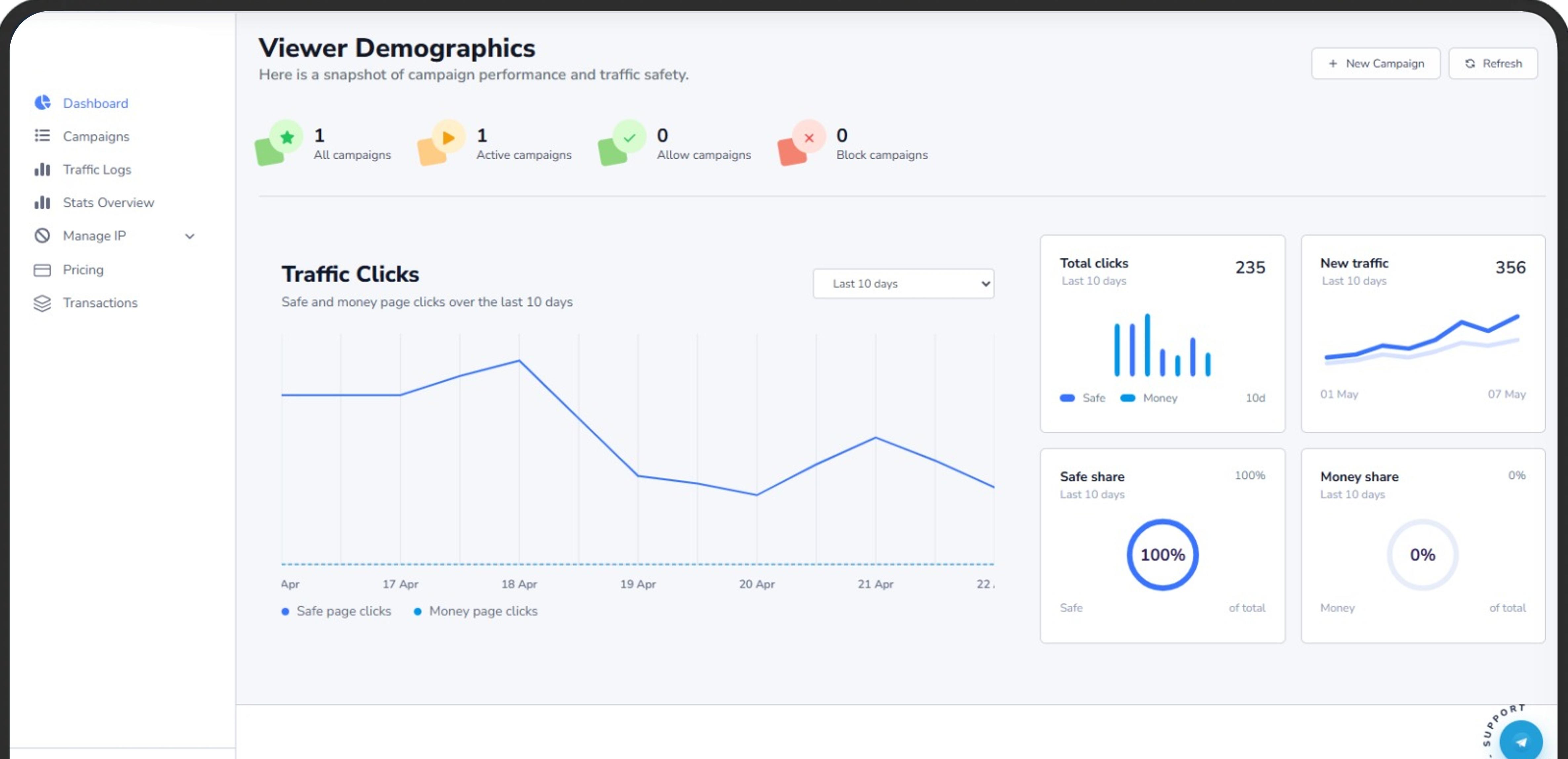
Google Ads cloaking is when different content is shown to advertisement reviewers or automated systems than what regular visitors see.
It is often mistakenly believed that advertisers use Google Ads cloaking solely to get around Google's advertising policies, particularly in restricted industries. However, Google reviews the destination of the advertisement and may take interest in page content and behavior that advertisers deem different.
Knowing how Google reviews landing pages, how cloaking works, and how to spot invalid traffic can give advertisers tools to help protect their campaigns without breaking the rules.
Common Techniques Associated With Cloaking
-
IP-based filtering: Using the visitor’s IP address to determine the traffic source.
-
User-agent detection: Identifying the browser or device a visitor is using, including automated crawlers.
-
Redirects: Sending visitors to different content based on a defined rule.
Not all traffic filtering is cloaking. Blocking malicious bots is one example. Spotting and eliminating invalid clicks can also be a legitimate effort to get rid of unwanted and annoying traffic. Ultimately, it is important for advertisers to be aware of Google's landing page review processes.
2. What Are the Risks of Using Google Ads Cloaking?
Google Ads has advertising policies, and using cloaking to get around them can put your entire advertising account at risk. Google is known to suspend accounts, disapprove ads, restrict domains, and take action against related accounts. Just because your campaigns initially receive traffic does not mean your accounts will go undetected.
Common Risks of Using Cloaking
-
Account suspension: Google can suspend accounts for policy circumvention.
-
Domain restrictions: Landing page domains can be restricted and may not be usable for future advertising.
-
Lost advertising spend: Money spent testing restricted setups might not be sustainable in the future.
-
Campaign instability: Ads may stop running without notice.
-
Loss of customer trust: Misleading landing pages can damage customer trust.
For media buyers, losing access to an account and campaigns with valuable audience and conversion data is a bigger concern.
3. How Google Ads Reviews Landing Pages
Google reviews ad destinations to ensure advertisements and their landing pages adhere to its policies. Reviews can happen before or after ads are approved. Advertisers should make sure their landing pages are relevant and consistent with the claims made in their ads.
Areas Google May Review
-
Destination URL: Whether the URL leads to the correct website.
-
Landing page content: Whether the page content relates to the advertised product or service.
-
Mobile page experience: Whether the page is accessible and usable on mobile devices.
-
Misleading redirects: Whether redirects are unexpected or misleading.
-
Website accessibility: Whether the website loads correctly and contains the advertised information.
-
Policy compliance: Whether the content complies with Google Ads policies.
Frequently, advertisers only check whether an ad gets approved. Just because an ad is approved at one point in time does not mean it will never be reviewed again. It is important to keep landing pages consistent and avoid changes that misrepresent what users will see.
4. Google Ads Circumventing Systems Policy Explained
Also known as the 'circumventing systems' policy, this policy covers attempts to manipulate or evade Google Ads review processes. This includes cloaking, in which content is displayed differently to reviewers and end users.
Behaviours That Can Create Policy Issues
-
Hiding restricted products or services during ad reviews.
-
Misleading automated review systems by showing them different content.
-
Deceptive redirects that change the advertised destination.
-
Bypassing account suspensions by using different accounts.
-
Repeated policy violations involving attempts to avoid enforcement.
It is important to note that changing a domain or creating a new account does not solve the underlying issue. The best approach is to identify the policy violation, remove it, and follow the official policy appeals process if necessary.
5. Difference Between Cloaking, Bot Filtering, and Traffic Filtering
Though these terms are often lumped together, they are distinct. Knowing the differences is important for media buyers who want to protect their advertising accounts.
Comparison of Cloaking and Traffic Filtering
|
Technique |
Main purpose |
Policy consideration |
|
Cloaking |
Showing different content to different visitors |
Can mislead reviewers or users and violate policies |
|
Bot filtering |
Identifying automated traffic |
Legitimate security practice |
|
Traffic filtering |
Managing unwanted visits |
Must not disguise the advertised destination |
|
Invalid click detection |
Detecting potentially fraudulent clicks |
Helps monitor traffic quality |
There are normal website security practices that do not involve cloaking. For example, blocking a malicious bot from repeatedly requesting pages is a standard security measure. Showing a deceptive landing page to an ad reviewer is a different case.
6. Common Reasons Google Ads Accounts Get Suspended
Not every Google Ads account suspension happens because of cloaking. There are other practices unrelated to cloaking that can also lead to account suspension.
Common Reasons for Account Suspension
-
Circumventing systems: Trying to get around advertising reviews or enforcement.
-
Misrepresentation: Giving false information about products, services, or the business in general.
-
Unacceptable business practices: Using deception or hiding relevant information.
-
Payment issues: Suspicious payment activity or unresolved billing issues.
-
Compromised websites: Presence of malware, hacking, or unauthorized redirects.
-
Repeated policy violations: Continued disregard for Google's advertising policies.
There are cases where an account is suspended for reasons other than cloaking. The reason for suspension is specific to the account and is listed by Google. This should be the starting point for any further investigation.
7. How to Spot Invalid Traffic in Google Ads
It is important to monitor traffic distribution to identify invalid clicks. Automated or illegitimate clicks can harm campaign performance by draining budgets and providing misleading performance data.
Warning Signs of Invalid Clicks
-
An increase in ad clicks without a corresponding change in conversions.
-
Traffic from unexpected geographic locations.
-
Visits from suspicious traffic sources.
-
Many clicks occurring within a short period.
-
A difference between Google Ads clicks and website sessions.
-
Suspicious activity involving conversion tracking.
Keep in mind that one metric does not confirm fraudulent clicks. For example, a high bounce rate does not automatically mean that traffic is fraudulent. Visitors may simply find what they need and leave. Analyse multiple metrics before reaching a conclusion.
8. How to Keep Your Google Ads Traffic Protected Without Cloaking
To keep your landing page content compliant, do not use a cloaking method. Instead, optimise traffic quality and improve your website's security. The right kind of traffic protection can help you filter out fraudulent traffic and maintain a good advertising experience for legitimate users.
Ways to Protect Your Advertising Traffic
Traffic protection can help you monitor suspicious activity. An invalid traffic detection system can help identify automated clicks. To ensure the content users see matches the claims in your ad, regularly review your landing page.
-
Compare website activity: Compare actual website activity, such as clicks, visits, leads, and sales, with campaign tracking data to spot discrepancies.
-
Protect your website: Use appropriate security tools to mitigate unsafe or unusually high levels of website activity.
-
Monitor traffic quality: Analyse visitor behaviour and traffic sources to identify suspicious activity and patterns.
-
Review landing pages: Make sure the content users see matches the claims in your advertisements.
An ad traffic quality tool can also help advertisers understand where suspicious activity is coming from and whether it is affecting campaign performance.
9. Landing Page Compliance Checklist
Before launching a campaign, review the landing page from a visitor's perspective to ensure it is compliant with advertising policies.
Google Ads Landing Page Checklist
-
Landing page content is consistent with ad claims.
-
Business identity and contact information are provided.
-
Pricing and product information are accurate.
-
The privacy policy is accessible.
-
Required disclosures are clearly presented.
-
The page is optimised for mobile devices.
-
There are no unexpected or misleading redirects.
-
Pages load correctly for visitors and reviewers.
-
Forms and checkout processes function correctly.
-
Advertised products or services are available.
This checklist can help identify issues that may cause a campaign to be disapproved or negatively affect campaign performance.
10. How to Monitor Google Ads Traffic Quality
Managing paid advertising campaigns includes reviewing traffic quality to ensure campaigns are delivering as expected. Suspicious website visits can occur even with approved campaigns, so advertisers should check traffic quality on an ongoing basis.
Useful Traffic Monitoring Methods
-
Google Ads conversion tracking: Compare clicks with recorded leads, purchases, and other conversion actions.
-
Google Analytics 4: Analyse traffic, engagement, landing page performance, and user behaviour.
-
Server access logs: Analyse repeated requests and investigate abnormal or suspicious behaviour.
-
UTM parameters: Track which campaigns, ad groups, and traffic sources bring visitors to your site.
-
Click-to-conversion analysis: Compare click activity with actual business results.
-
Third-party traffic monitoring: Use third-party tools to identify potential click fraud.
Google Ads clicks and website visits may not always be identical. There can be several reasons, including repeated clicks, tracking limitations, consent settings, and various other technical factors. Look for repeating trends and analyze data as a whole instead of treating every situation as click fraud.
11. What to Do If Your Google Ads Account Gets Suspended
A suspended Google Ads account can impact business operations and revenue. It is necessary to understand the reason for Google's action and respond accordingly rather than creating a new account or changing a domain.
Steps to Respond to an Account Suspension
-
Understand the reason for suspension: Read the notification and identify the specific policy mentioned by Google.
-
Analyze your campaigns: Review your ads, keywords, and landing pages.
-
Ensure your website is safe: Check for malware, unauthorised code, and unexpected redirects.
-
Analyze your account: Review recent account changes, billing information, and access activity.
-
Fix the policy issue: Correct any problems to bring your advertising setup into compliance with Google's policies.
-
Submit an appeal: Explain the issue and the corrective actions you have taken.
-
Wait for the review: Do not create new accounts in an attempt to get around a suspension.
Repeated appeals before addressing the underlying issue are unlikely to help. It is better to investigate the issue and contact Google with proper explanations and details.
12. Does Google Ads Cloaking Still Work in 2026?
In the short term, it may appear that Google Ads cloaking works. However, just because an ad is approved does not mean Google will not identify the policy violation in the future. Policies are intended to protect users and advertisers, and cloaking works against those protections. Google reviews advertising destinations, and relying on methods to evade those checks can put the account and domain at risk.
Reasons Advertisers Should Be Cautious
-
Ongoing reviews: Approval of an ad or landing page does not mean it will remain approved.
-
Account-level enforcement: Violating a policy in one campaign can affect other campaigns on the account.
-
Domain reputation: A history of policy issues can create additional problems for a domain, even after issues are addressed.
-
Campaign unpredictability: Policy enforcement can lead to restrictions that affect an ad or campaign. Campaigns can be disrupted or suspended without prior notice.
-
Lost testing data: Restricted accounts can lead to a loss of previously tested audiences and campaign data.
It is in the best interest of advertisers to run campaigns in a way that aligns with Google Ads policies. Cloaking is not a sustainable method for generating long-term advertising income. Instead, advertisers should focus on building campaigns that can run consistently rather than trying to game the system for short-term approvals.
13. Other Options for Media Buyers Instead of Google Ads Cloaking
Misleading Google's review systems is not the only way to improve campaign protection and traffic quality. There are other ways to improve website security, monitor campaigns and ads, and use advertising services responsibly.
Better Alternatives to Google Ads Cloaking
-
Legitimate bot protection: Identify automated and suspicious requests.
-
Invalid click monitoring: Examine unusual and potentially fraudulent clicks.
-
Landing page optimisation: Improve website navigation, speed, mobile usability, and conversion paths.
-
Server-side conversion tracking: Improve conversion measurement when browser-based tracking has limitations.
-
Website security monitoring: Assess website security and look for unauthorised changes.
-
Campaign analysis: Monitor campaign and ad group performance and investigate traffic quality based on factors such as location and device.
-
Policy compliance checks: Examine ad and landing page content for compliance with Google's policies.
These methods allow media buyers to take more control of their campaigns while protecting transparency and user experience.
Conclusion
To some advertisers, TrafficSaviour may seem like a convenient way to outsmart Google and take shortcuts, but there is a reason why Google has these review and enforcement methods in place. There are serious consequences for bypassing Google's review systems. Domain restrictions, account suspensions, and unnecessary ad spend make short-term gains difficult to justify.
The bottom line is clear. You should not mislead ad reviewers, put your advertising account at risk, or compromise your relationship with users while trying to protect your advertising traffic. Building stable, compliant, and long-term campaigns should always be the goal.
Frequently Asked Questions
1. Is Cloaking Allowed on Google Ads?
If you use cloaking to show Google Ads reviewers a different page from the one normal users see, you could violate Google's advertising policies, specifically its Circumventing Systems policy.
2. Can Google Detect Cloaking?
Google uses automated systems and other review methods to identify suspicious advertising behaviour, including misleading landing pages, unexpected redirects, and attempts to bypass policy enforcement.
3. Is Traffic Filtering the Same as Cloaking?
No. Traffic filtering is used to help identify bots, malicious requests, and invalid activities, while cloaking means showing different content or destinations to mislead reviewers or users

 English
 Arabic
 French
 Portuguese
 Deutsch
 Turkish
 Dutch
 Italiano
 Russian
 Romaian
 Portuguese (Brazil)
 Greek
