


Pressure Control for Demanding Agricultural Spray Systems
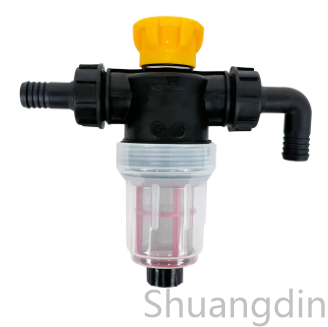
Agricultural spraying systems often operate under demanding conditions that require dependable fluid delivery and effective pressure management. Whether equipment is used for field crops, orchards, or specialized crop treatment, the pump must supply liquid to the distribution network while working with regulators, hoses, filters, and nozzles. A High Pressure Diaphragm Pump For Sprayers uses a flexible diaphragm and valve assembly to move liquid through repeated suction and discharge cycles. Its design can support agricultural applications that require controlled fluid movement, provided the pump is correctly matched to the spraying system and the liquid being handled.
The working principle of a diaphragm pump relies on changes in the volume of a pumping chamber. When the diaphragm moves away from the chamber, the internal volume increases and creates suction. Liquid enters through the inlet valve and fills the chamber. As the diaphragm returns, the chamber volume decreases and liquid is pushed through the outlet valve. This repeated action supplies fluid to the connected spraying equipment. The diaphragm separates the liquid-handling chamber from the main drive mechanism, helping keep the pumped solution within its designated flow path. The diaphragm, valves, seals, and chamber must work together to maintain consistent operation.
Pressure management is an important part of the complete spraying process. The pump supplies liquid, but regulators and other system components help control the pressure delivered to the nozzles. The nozzle type, number of active outlets, hose arrangement, and application method all influence system demand. If these components are not properly matched, the equipment may experience unstable delivery, uneven spray patterns, or unnecessary mechanical stress. Buyers should therefore evaluate the pump together with the distribution system rather than selecting it based on pressure capability alone.
Material compatibility is another major consideration. Agricultural spraying liquids can contain pesticides, herbicides, fertilizers, and other formulations with different chemical properties. Some ingredients may affect rubber, plastic, and metal components over time. The diaphragm must retain its flexibility and sealing performance, while valves and internal seals need to resist deterioration from the intended liquid. Chemical compatibility should be checked against the manufacturer's recommendations before the pump is used with a new formulation. This helps reduce the possibility of swelling, cracking, leakage, and premature component failure.
The pump's construction also affects its ability to withstand agricultural working environments. Field machinery may encounter dust, moisture, vibration, changing temperatures, and uneven ground. A durable housing helps protect internal components, while secure mounting limits unnecessary movement during operation. Connections should be fitted correctly, and hoses should be routed to avoid sharp edges, excessive bending, or interference with moving parts. These installation details can help maintain the integrity of the fluid delivery system during repeated use.
Routine inspection is important for preserving pressure stability and general operating reliability. Before spraying, operators should examine the inlet filter, tank connections, hoses, clamps, and visible seals. A restricted filter can limit liquid supply, while a worn valve or damaged diaphragm may affect the pumping cycle. Pressure-control components should also be checked to ensure that they function as intended. If the spraying system shows irregular delivery or unexpected pressure changes, operators should inspect the pump and connected components instead of continuing operation without identifying the cause.
Cleaning after use helps protect the pump from chemical residue. Some agricultural formulations may leave deposits inside the chamber, valves, hoses, or nozzles. Residual chemicals can also create compatibility problems if different products are introduced during later applications. Flushing should follow the pump manufacturer's instructions and the chemical supplier's safety guidance. Operators should use appropriate protective equipment and handle cleaning liquids responsibly. Periodic inspection of the diaphragm and valve assembly can help identify deterioration before it causes more significant operating problems.
Manufacturing quality is central to reliable pump performance. The diaphragm requires consistent material properties and accurate assembly to withstand repeated movement. Valve components must fit correctly and respond to changes in chamber pressure, while sealing surfaces need to prevent unwanted leakage. Housing integrity and connection accuracy also influence the durability of the complete assembly. For agricultural equipment manufacturers and distributors, consistent production standards, technical documentation, and access to compatible replacement parts can simplify product selection and after-sales support.
Selecting a suitable pump requires consideration of the intended spraying application, liquid characteristics, distribution layout, and maintenance conditions. Buyers should assess whether the pump's construction and materials are appropriate for the system's operating requirements. Pressure capability is only one part of this evaluation; compatibility, installation, and coordination with regulators and nozzles are equally important. A properly matched High Pressure Diaphragm Pump For Sprayers can support controlled fluid delivery when integrated into a well-designed agricultural spraying system. SHUANG DIN Co Ltd. provides further information about its agricultural pump solutions at https://www.agriculturaldiaphragmpump.com/about/.

 English
 Arabic
 Spanish
 Portuguese
 Deutsch
 Turkish
 Dutch
 Italiano
 Russian
 Romaian
 Portuguese (Brazil)
 Greek
