


Coffee Machine Not Heating Water: Heating Element and Thermostat Faults Explained
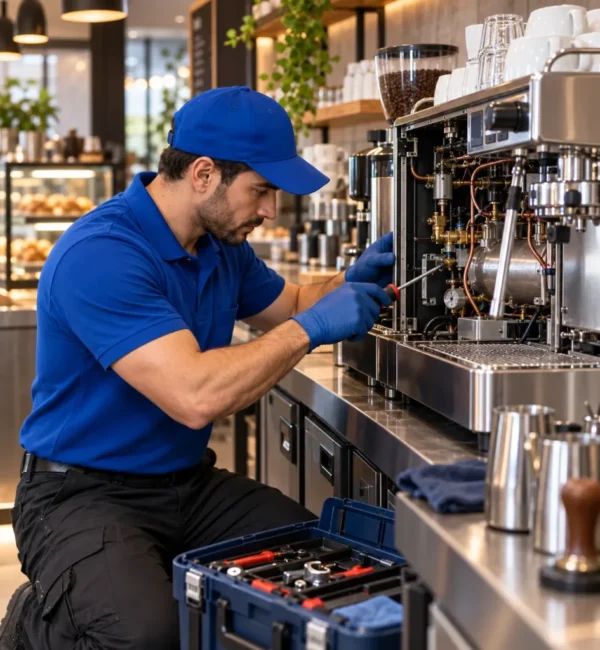
You switch on your coffee machine, prepare your favourite coffee, and expect a hot cup, but the water comes out barely warm. A coffee machine not heating properly can affect brewing temperature, slow down preparation, and leave coffee tasting weak or unpleasant. The cause may involve a damaged heating element, a faulty thermostat, limescale buildup, or a problem with the machine's temperature control system.
Replacing parts without checking the actual fault can lead to unnecessary repairs. A better approach is to understand how the heating system works, recognise the signs of a failing component, and arrange a proper inspection when basic checks do not solve the issue. Our technicians can diagnose heating faults and provide coffee machine heating element repair in Dubai when the element or a related component needs attention.
What Happens Inside the Machine When Heating Stops?
A coffee machine needs to heat water to a suitable temperature before it can extract coffee properly. Different models use different heating systems, but most rely on an electric heating element, a thermostat or temperature sensor, and an electronic control system.
When one part fails, the machine may still switch on and pump water while producing coffee that lacks the expected heat.
Heating Element
The heating element converts electrical energy into heat. Repeated use, limescale deposits, or electrical damage can affect its performance. A damaged element may stop heating altogether or struggle to bring water to the required temperature.
Thermostat and Temperature Sensor
The thermostat or sensor monitors water temperature and helps control the heating cycle. If it gives incorrect readings or fails to regulate the temperature, the machine may stop heating too early or overheat.
Signs That Point to a Heating System Problem
Not every temperature issue means the heating element has failed. Pay attention to how the machine behaves during preparation. The symptoms can help narrow down the possible cause before a technician begins testing individual components.
Coffee Comes Out Lukewarm
A coffee maker lukewarm coffee problem often indicates that the water does not reach the correct brewing temperature. You may notice that the machine completes its usual cycle, but the coffee feels cooler than normal.
A faulty thermostat, weak heating element, or temperature sensor issue could explain this behaviour.
The Machine Takes Longer to Prepare Coffee
If your coffee machine needs much longer than usual to heat water, the heating system may not be working efficiently. Limescale can also build up around internal heating surfaces and reduce heat transfer.
The Machine Stops Heating During Operation
Some machines heat water briefly before stopping unexpectedly. This can happen when a safety thermostat activates, an electrical connection becomes unstable, or the temperature control system detects an abnormal reading.
The Coffee Machine Produces No Heat
If the machine pumps water without heating it, the heating element or its electrical supply may have failed. A control board fault can also interrupt power to the heating system.
Four Faults That Can Affect Water Temperature
A coffee machine uses several connected parts to control water temperature. A problem in one component can affect the entire brewing process, so technicians need to check the heating circuit rather than assume the element is always responsible.
1. Heating Element Failure
A heating element can wear out after repeated heating cycles. Electrical damage, internal breaks, or heavy mineral deposits may prevent it from producing enough heat.
Heating element failure in Dubai can become noticeable when the machine takes too long to heat water or produces consistently cold coffee. A technician can test the element's electrical condition and determine whether it needs replacement.
2. Thermoblock Problems
Many modern espresso machines use a thermoblock to heat water as it passes through a heated metal channel. This system allows the machine to heat water when needed rather than storing a large amount of hot water.
However, thermoblock problems can affect water temperature and flow. Limescale buildup, damaged internal passages, or a faulty heating circuit may prevent the unit from heating water properly.
3. Thermostat or Temperature Sensor Faults
A thermostat controls when the heating system switches on and off. A temperature sensor sends readings to the machine's control system so it can regulate heat.
If either component gives incorrect information, the machine may stop heating too early, struggle to maintain temperature, or display a heating-related error.
4. Limescale and Mineral Deposits
Hard water can leave mineral deposits inside the heating system, pipes, and water channels. Over time, these deposits restrict water movement and interfere with heat transfer.
Descaling can help remove mineral buildup when the machine's manufacturer recommends it. However, heavy deposits or existing component damage may require a technician's inspection.
Why Temperature Problems Can Affect Espresso Quality
Brewing temperature affects how water extracts flavour from ground coffee. Water that is too cool may produce an under-extracted drink with a weak or sour taste. Excessive heat can also affect the flavour and create an unpleasant result.
The problem becomes more noticeable when the machine cannot maintain a consistent temperature throughout preparation.
Espresso Tastes Different
If your usual coffee suddenly tastes weak, sour, or unbalanced, check whether the machine heats water consistently. Grinding, coffee quantity, and freshness also affect taste, so temperature is only one possible cause.
Steam Performance Becomes Weak
Some espresso machines use a separate heating arrangement or temperature setting for steam. Others share heating components between brewing and steaming. If the machine also struggles to produce steam, the heating system may need a more detailed inspection.
Temperature Changes Between Cups
Inconsistent heating can cause one cup to taste different from the next. This may point to a temperature control fault, limescale buildup, or a heating component that no longer performs consistently.
If you experience recurring espresso machine temperature issues in Dubai, arrange an inspection rather than repeatedly adjusting settings without identifying the cause.
Checks You Can Perform Before Booking a Repair
A few basic checks can help rule out simple operating issues. Always follow the manufacturer's instructions and avoid opening the machine's casing because internal electrical components can remain dangerous.
-
Check the temperature settings: Some coffee machines allow users to adjust brewing temperature. Confirm that the setting has not changed accidentally.
-
Allow the machine to preheat: Certain models need time to reach the correct operating temperature before brewing.
-
Check the water supply: Make sure the tank contains enough clean water and sits correctly in its position.
-
Look for warning indicators: A heating symbol, flashing light, or error message may help identify the affected system.
-
Follow the descaling instructions: If the machine indicates that descaling is due, use the recommended product and procedure for your model.
If these checks do not improve the temperature, avoid repeatedly running the machine. Continued operation with a heating fault may place additional strain on other components.
When Does a Coffee Machine Need Professional Attention?
Some heating faults require electrical testing and component-level inspection. A technician can check the heating element, thermostat, thermoblock, wiring, and control board to identify where the problem begins.
Consider arranging a repair if:
-
The machine produces cold water despite completing its heating cycle.
-
Coffee remains lukewarm after the recommended preheating period.
-
The heating indicator keeps flashing or the machine displays an error.
-
The appliance repeatedly switches off while heating.
-
Descaling does not improve water temperature.
-
The machine produces unusual smells or shows signs of electrical damage.
Our technicians can inspect the heating circuit, test the affected components, and explain the required repair before proceeding. If the heating element has failed, coffee machine heating element repair in Dubai may involve replacing the damaged part and testing the machine's temperature performance afterwards.
How Dubai Fixes Approaches Coffee Machine Heating Repairs
A heating problem needs a clear diagnosis because several components can produce similar symptoms. At Dubai Fixes, the repair process should focus on identifying the faulty part instead of replacing components without proper checks.
The technician can begin by checking the machine's heating behaviour and reviewing any warning indicators. Next, the inspection may cover the heating element, thermostat, thermoblock, electrical connections, and signs of mineral buildup.
After identifying the fault, the technician can explain the repair options and the parts involved. Once the approved work is complete, the machine should be tested to check whether it heats water and maintains a suitable brewing temperature.
If your coffee machine continues to produce lukewarm coffee or stops heating altogether, contact Dubai Fixes to arrange an inspection. Our technicians can assess the heating system and recommend the appropriate repair for your machine in Dubai.
Conclusion:
A coffee machine that fails to heat water can have problems with its heating element, thermostat, thermoblock, temperature sensor, or internal water channels. The symptoms may look similar, but each fault requires a different solution. Basic checks and manufacturer-approved descaling can help with minor issues, while electrical or component failures need proper testing.
If your machine still cannot reach the correct temperature, our technicians can identify the cause and advise on the necessary repair. Contact Dubai Fixes for coffee machine heating element repair and get your appliance checked before the heating problem affects other functions.
Frequently Asked Questions
1. Why is my coffee machine running but not heating water?
The heating element may have failed, or a thermostat, temperature sensor, electrical connection, or control board may be preventing the machine from heating water.
2. Can limescale stop a coffee machine from heating properly?
Yes. Mineral deposits can collect around heating surfaces and inside water channels. This can reduce heating efficiency and restrict water flow. Use the manufacturer's recommended descaling process.
3. Is lukewarm coffee always a sign of heating element failure?
No. A faulty thermostat, incorrect temperature setting, sensor problem, or limescale buildup can also cause lukewarm coffee. A proper inspection helps identify the actual fault.
4. What causes thermoblock problems in an espresso machine?
Limescale buildup, restricted water passages, electrical faults, and damage to the heating circuit can affect thermoblock performance and prevent the machine from heating water correctly.
5. Can I replace a coffee machine heating element myself?
It is better to arrange professional assistance. Replacing the element involves electrical components and model-specific connections. Incorrect handling can damage the appliance or create a safety risk.

 English
 Arabic
 French
 Spanish
 Portuguese
 Deutsch
 Dutch
 Italiano
 Russian
 Romaian
 Portuguese (Brazil)
 Greek
