


How to Choose the Right Melasma Treatment for Your Skin
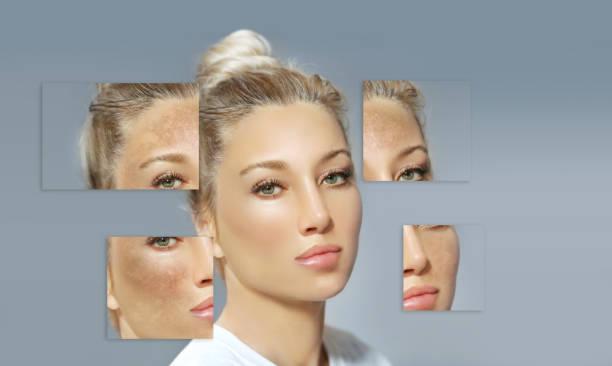
Melasma can make the skin appear uneven due to brown or greyish-brown patches that commonly develop on the cheeks, forehead, nose, and upper lip. Although this pigmentation condition is generally harmless, it can be persistent and may become darker with sun exposure or hormonal changes. Choosing the right melasma treatment requires understanding your skin type, identifying possible triggers, and considering treatments that address your individual pigmentation concerns. A personalized approach can help improve skin appearance while reducing the risk of irritation and recurrence.
Understand Your Skin and Pigmentation Type
Before choosing a treatment, it is important to understand how melasma affects your skin. Pigmentation can vary in color, depth, distribution, and severity. Some people have superficial patches, while others experience deeper or more persistent discoloration.
Skin sensitivity also plays an important role. Individuals who are prone to irritation or post-inflammatory hyperpigmentation may need a gentler approach. A dermatologist can examine the affected areas and help determine whether the discoloration is melasma or another pigmentation concern.
Identify the Possible Causes of Melasma
Understanding what contributes to your pigmentation can help guide treatment selection. Melasma often develops due to a combination of factors rather than one single cause.
Sun Exposure
Ultraviolet radiation can stimulate melanin production and make existing patches darker. Visible light may also contribute, particularly in people with darker skin tones. If sunlight is a major trigger, daily sun protection should be a central part of the management plan.
Hormonal Changes
Hormonal fluctuations associated with pregnancy or certain hormonal medications may contribute to melasma. In these situations, pigmentation can sometimes persist even after the initial trigger changes. Discussing relevant medical history with a healthcare professional can help identify appropriate management options.
Genetic and Lifestyle Factors
A family history of melasma may increase susceptibility. Skin irritation, unsuitable skincare products, and repeated exposure to environmental triggers can also influence pigmentation. Recognizing these factors helps avoid habits that may worsen the condition.
Explore Suitable Professional Treatment Options
There is no universal treatment for melasma. The most appropriate option depends on pigmentation depth, skin tone, sensitivity, and previous treatment experiences. A dermatologist may recommend topical products, selected procedures, or a combination.
Topical Creams and Serums
Topical treatments are often used to manage uneven pigmentation. Depending on the individual's needs, a dermatologist may recommend ingredients such as azelaic acid, retinoids, or other pigment-regulating agents. Hydroquinone may also be considered for selected patients under medical supervision.
These products can help reduce excess pigmentation over time. However, using several active ingredients without guidance may cause irritation. A suitable routine should be introduced gradually and adjusted according to the skin's response.
Chemical Peels
Certain superficial chemical peels may help improve the appearance of melasma by encouraging controlled exfoliation. They are not suitable for everyone, particularly individuals with highly sensitive or easily irritated skin.
Strong peels can cause inflammation and may worsen pigmentation. A qualified professional should assess the skin before recommending a peel and provide clear instructions for preparation and aftercare.
Laser and Light-Based Treatments
Some laser and light-based procedures may be considered for selected cases. Their suitability depends on skin type, pigmentation depth, device settings, and individual risk factors.
These procedures require caution because heat and inflammation may make melasma darker or trigger recurrence. Laser treatment should not automatically be considered the best option. A dermatologist can explain the potential benefits, limitations, and risks before proceeding.
Consider Your Skin Sensitivity Before Treatment
Skin sensitivity is an important factor when selecting pigmentation treatments. People who experience frequent redness, dryness, burning, or irritation may need to avoid aggressive procedures and strong skincare combinations.
A gentle approach may include a mild cleanser, a suitable moisturizer, and carefully selected pigmentation products. Introducing one active ingredient at a time can make it easier to identify irritation and adjust the routine when necessary.
Melasma Treatment in Riyadh should be tailored to your skin's tolerance rather than selected solely because a particular product or procedure is popular.
Make Sun Protection Part of Your Daily Routine
Sun protection is essential for managing melasma and supporting treatment improvements. Without consistent protection, sunlight may stimulate further pigment production and make dark patches more noticeable.
Helpful habits include:
-
Applying broad-spectrum sunscreen with SPF 30 or higher every morning.
-
Reapplying sunscreen during extended outdoor exposure.
-
Considering tinted sunscreen containing iron oxides for visible-light protection.
-
Wearing a wide-brimmed hat when spending time outdoors.
-
Seeking shade during periods of strong sunlight.
-
Avoiding unnecessary direct sun exposure.
These measures should continue even after the skin begins to look clearer because melasma can return.
Understand the Expected Results and Treatment Timeline
Melasma usually improves gradually, and results vary from person to person. Some individuals may notice changes after several weeks, while others require a longer period of consistent care. The response depends on pigmentation depth, treatment choice, skin sensitivity, and exposure to contributing triggers.
It is important to have realistic expectations. Melasma is a chronic condition, and no treatment can guarantee permanent removal. Maintenance skincare, sun protection, and follow-up assessments may help manage recurrence.
Why a Professional Consultation Matters
A professional consultation helps ensure that the selected approach is suitable for your skin. During an assessment, a dermatologist may review pigmentation patterns, skin sensitivity, medical history, current skincare products, and previous procedures.
This information helps the specialist recommend appropriate options and explain possible side effects. It also provides an opportunity to discuss your goals and understand how long-term maintenance may fit into your routine.
Conclusion
Choosing the right melasma treatment involves understanding your skin, identifying possible triggers, and selecting suitable professional care. Topical products, carefully chosen procedures, gentle skincare, and consistent sun protection may all contribute to improving uneven skin tone. Since melasma can recur, long-term maintenance and realistic expectations are essential. For personalized guidance and an assessment of suitable options, consult the skincare specialists at Royal Clinic Saudia. A professional plan for Melasma Treatment in Riyadh can help you manage pigmentation with an approach suited to your skin's needs.

 English
 Arabic
 French
 Spanish
 Deutsch
 Turkish
 Dutch
 Italiano
 Russian
 Romaian
 Portuguese (Brazil)
 Greek
