


What should you check during a Subiaco property inspection?
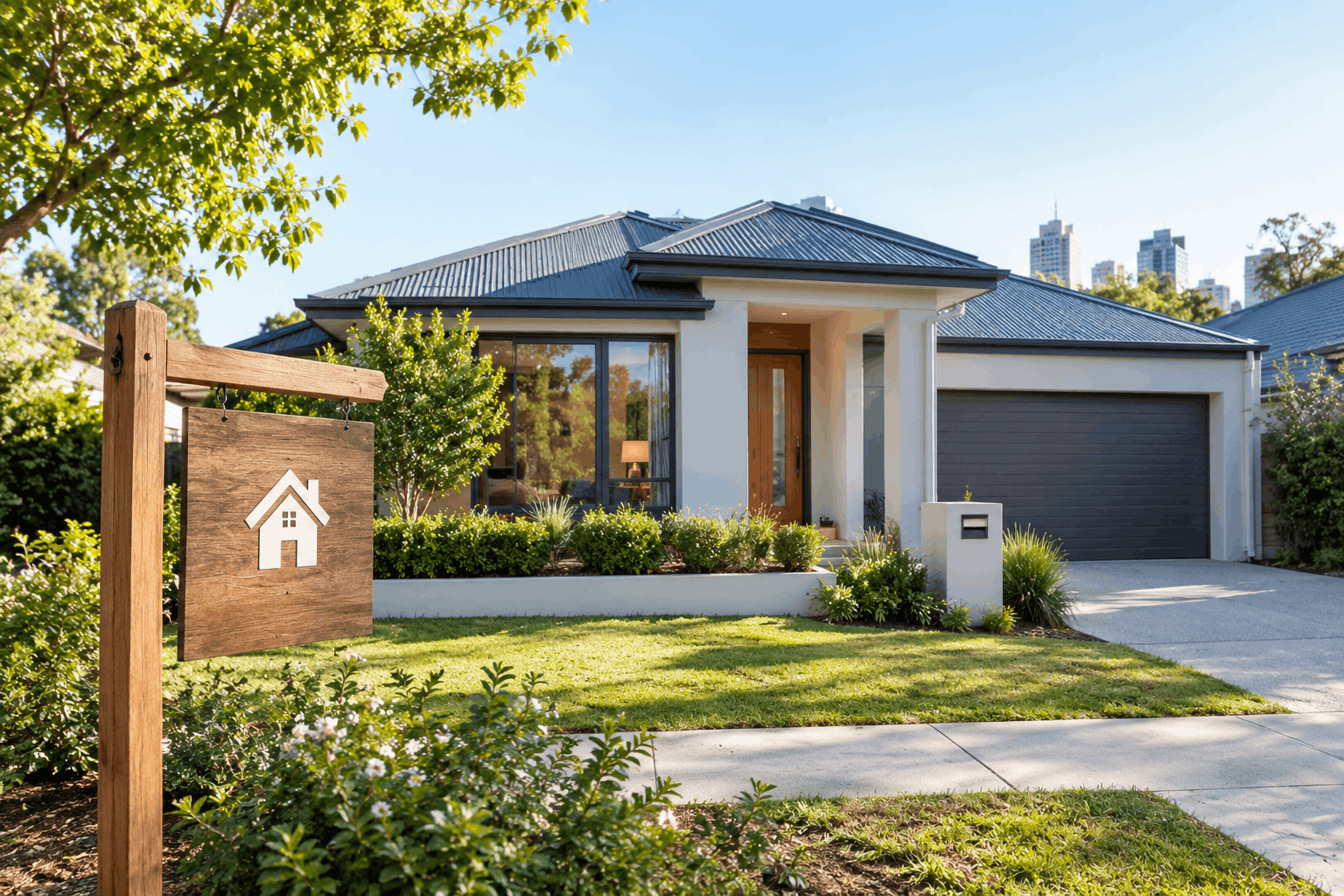
The cottage looks gorgeous. Pressed-metal ceiling, timber floors, a verandah you've already furnished in your head. Then you notice a faint musty smell in the back bedroom and wonder whether to say anything.
Say something. Or better, know what to look for before you get there. I've sold property across Perth since 2018, after about thirty years running my own businesses, and open homes have taught me that excitement is the enemy of a good inspection. Subiaco isn't one of my core suburbs, so I've checked the local planning points against the City of Subiaco's own documents. The building checks are the ones I'd run anywhere in Perth, with extra attention for the older homes this suburb is known for.
The short answer
Check the roof, walls and footings, signs of damp, floors, doors and windows, the kitchen and bathrooms, and the electrical and plumbing. For older homes, add asbestos, termites and unapproved building work. Then book proper building and pest inspections before you commit. Whether you're browsing property for sale Subiaco listings or standing in a living room right now, that sequence keeps you from paying for someone else's problems.
1. Check the building first, then the paperwork
Walk the house and yard before you read a single document. What you see tells you what to ask. Then check the title, planning status and any approvals for work the owners have done.
2. Older homes need a longer look
A character home has more going on behind the walls than a newer build. Original timber, old wiring, old pipes and older materials all deserve extra time. That doesn't make them bad buys. It makes them homes that reward a careful buyer.
Before you walk in
1. Research the street and recent sales
Know what comparable homes nearby sold for before you inspect, so the price makes sense when you see the house. Search for houses for sale Subiaco WA wide, but then narrow to the exact street and pocket, because values shift quickly between them. Check the certificate of title through Landgate too, since it shows land size and easements that a brochure may skip.
2. Pack a simple kit
A torch, a phone for photos, a notepad and a tape measure. The torch matters most. It shows you the back of a wardrobe, the cupboard under the stairs and the corner of a roof space that nobody wants you to peer into.
3. Ask about heritage and planning
Subiaco has several heritage and conservation areas, and some homes are listed individually. If a place is also on the City of Subiaco's Heritage List or the State Heritage Register, extra requirements may apply, and the City urges owners to talk to its Heritage Officer early. That affects what you can renovate or demolish. Ask the City about the address before you offer.
Outside the house
1. Roof and gutters
Stand back on the footpath and look up. A roof tells you a lot about the care a house has had.
Tiles and iron
Look for cracked or slipped tiles, rust on metal sheeting, sagging lines and patches of moss. A roof near the end of its life is a big bill, and it's far better to find out before you sign.
Gutters and downpipes
Overflowing, rusted or sagging gutters mean water is going where it shouldn't. Check where the downpipes empty. Water pooling against walls leads to damp, which leads to arguments with your bank account.
2. Walls, footings and cracks
Walk right around the house and study the walls. Hairline cracks in brick or render are common and often harmless. Wide cracks, cracks running diagonally from window or door corners and gaps where walls meet ceilings can point to movement in the footings. Take photos and mention them to your inspector. If anything looks serious, ask for an engineer's opinion.
3. Fences, drainage and trees
Check the fence lines and gates. Note where rain would run in the yard, and whether soil is piled against walls. Look at large trees, because roots and branches can damage drains, roofs and footings. Street trees are lovely in Subiaco, but a big one beside an old house deserves a second look.
Inside the house
1. Damp and mould
Use your nose and your eyes.
Rising damp in older walls
Older walls without an effective damp course can draw moisture up from the ground. Look for peeling paint, powdery salt marks, bubbling plaster and a tide line low on interior walls. A fresh coat of paint over those marks is a warning sign, not a cure.
Ceilings and wet areas
Brown stains on ceilings suggest roof or plumbing leaks. Black spots in corners and around windows point to poor ventilation or ongoing moisture. Open wardrobes and cupboards and check the backs, where damp likes to hide.
2. Floors, doors and windows
Timber floors are a big draw in character homes, so check them. Look for soft boards, deep scratches, gaps and signs of past water damage. Open and close every door and window. Sticking sashes, gaps around frames and floors that slope can be harmless in an old house, or they can point to movement. Ask your inspector which one you're looking at.
3. Kitchens and bathrooms
These rooms cost the most to renovate. Look under sinks for stains, warped cabinet bases and rusty pipes. Check grout and silicone around showers and baths, and press on the floor beside the toilet to feel for softness. A bathroom with no fan or window grows mould quickly. Dated rooms may suit you if the price reflects it, but find out first what the real cost will be.
4. Power, plumbing and hot water
Flick the lights, test power points and open the switchboard. An old ceramic fuse board is a note for your inspector, since older wiring may need upgrading. Run every tap, flush the toilet and check water pressure. Find out the age of the hot water system, because they don't last forever.
Extra checks for older homes
1. Asbestos
Homes built before the late 1980s may contain asbestos in places such as eaves, wall sheeting, fences and sheds. Asbestos in good condition and left alone is usually managed, but repairs and removal must be done properly, so ask an assessor what you're looking at. A seller who mentions it honestly deserves some credit. Property for sale Subiaco buyers love most often comes from this era, so expect to meet it.
2. Termites and timber pests
Termites are a real concern in Perth, and older timber is a tempting snack. Look for mud tubes, hollow-sounding timber, sagging skirting boards and doors that suddenly stick. You won't see inside walls, so a pest inspection is essential.
3. Unapproved extensions
A back room, a patio or a bathroom added without approval can cause trouble when a lender or solicitor asks questions. In heritage areas it can cause more. Ask the seller for approvals and plans for any work, and check them against what you can see.
What you can't check yourself
1. Building and pest inspections
A qualified building inspector and a separate pest inspector can see what you can't, including roof spaces, subfloors and moisture readings. Make your offer subject to satisfactory reports, and ask your conveyancer or settlement agent how to word it and how long you'll have.
2. Strata records for townhouses and apartments
If you're buying into a strata scheme, read the levies, reserve fund, meeting minutes, financial statements and by-laws, and ask about planned major works. A tidy unit in a poorly run building can cost you plenty later.
3. Specialists
If you spot something specific, bring in the right person. An electrician for wiring, a plumber for pipes, a structural engineer for cracks, an asbestos assessor for suspect materials. It costs a bit up front and saves a lot later.
Turning what you saw into an offer
1. Price the repairs
List every problem and put a realistic figure beside it. Say the roof, bathroom and repainting come to $60,000. That's a made-up number to show the habit. Get real quotes, subtract the total from what you'd otherwise pay and add a little more for surprises, because repairs often cost more than the first quote.
2. Compare with sold results
Look at what similar homes sold for over the last three to six months, matching land size, condition and position. When you compare houses for sale Subiaco WA sellers have listed with what's actually sold, you'll see which asking prices are realistic. A home in worse condition than its neighbours should sell for less.
3. Get an outside opinion
An agent's appraisal built on comparable sales shows how the market sees the home now. A formal valuation from a certified practising valuer, often a member of the Australian Property Institute, costs a fee and suits unusual or heritage homes. Before you offer, run through this:
-
Check the roof, gutters, walls, footings and drainage outside.
-
Look for damp, mould and leaks inside, especially in wet areas and older walls.
-
Test doors, windows, power points, taps and the hot water system.
-
Ask about asbestos, termites and approvals for any extensions.
-
Book building and pest inspections and check heritage status with the City.
Conclusion
A good inspection turns a feeling into facts. Check the roof, the walls, the damp and the services, give older homes extra time and hand the hidden stuff to qualified inspectors before you commit. Then price every problem and compare the total with recent sales. When you're sifting through property for sale Subiaco buyers are chasing, or the houses for sale Subiaco WA agents are listing this month, the cottage that survives all this scrutiny is the one worth the offer. If you're also thinking of selling in Perth, request a complimentary appraisal on my property appraisals page or call me on 0418 896 354.
Frequently asked questions
1. How long should I spend at a Subiaco inspection?
At least thirty minutes for a house, and longer if you're serious. Rushing is how problems get missed. If you're still interested, go back at a different time of day.
2. Do I need a building and pest inspection?
It's strongly advisable, especially for older homes. You can't see inside walls, subfloors or roof spaces, and termites and structural problems can be expensive. Ask your conveyancer how to make your offer subject to satisfactory reports.
3. What are the biggest red flags in an older home?
Signs of damp, wide or diagonal cracks, termite damage, a roof near the end of its life, old wiring, suspected asbestos and unapproved building work. Any of them can justify a lower offer, more checks or walking away.
4. How do I find out if a home is heritage listed?
Ask the City of Subiaco's planning team about the specific address and check its heritage list and local planning policies. Your conveyancer can also run the relevant searches. Don't rely on a listing's wording.
5. Should I inspect more than once?
Yes. A second visit at a different time of day shows you the street, the light, the traffic and the noise. When you're choosing between several properties for sale Subiaco has on offer, repeat viewings also help you compare homes calmly.

 English
 Arabic
 French
 Spanish
 Portuguese
 Deutsch
 Turkish
 Dutch
 Italiano
 Romaian
 Portuguese (Brazil)
 Greek
