


From Compact Spaces to Multi-Storey Living: Choosing the Best Residential Elevator for Your Existing Home
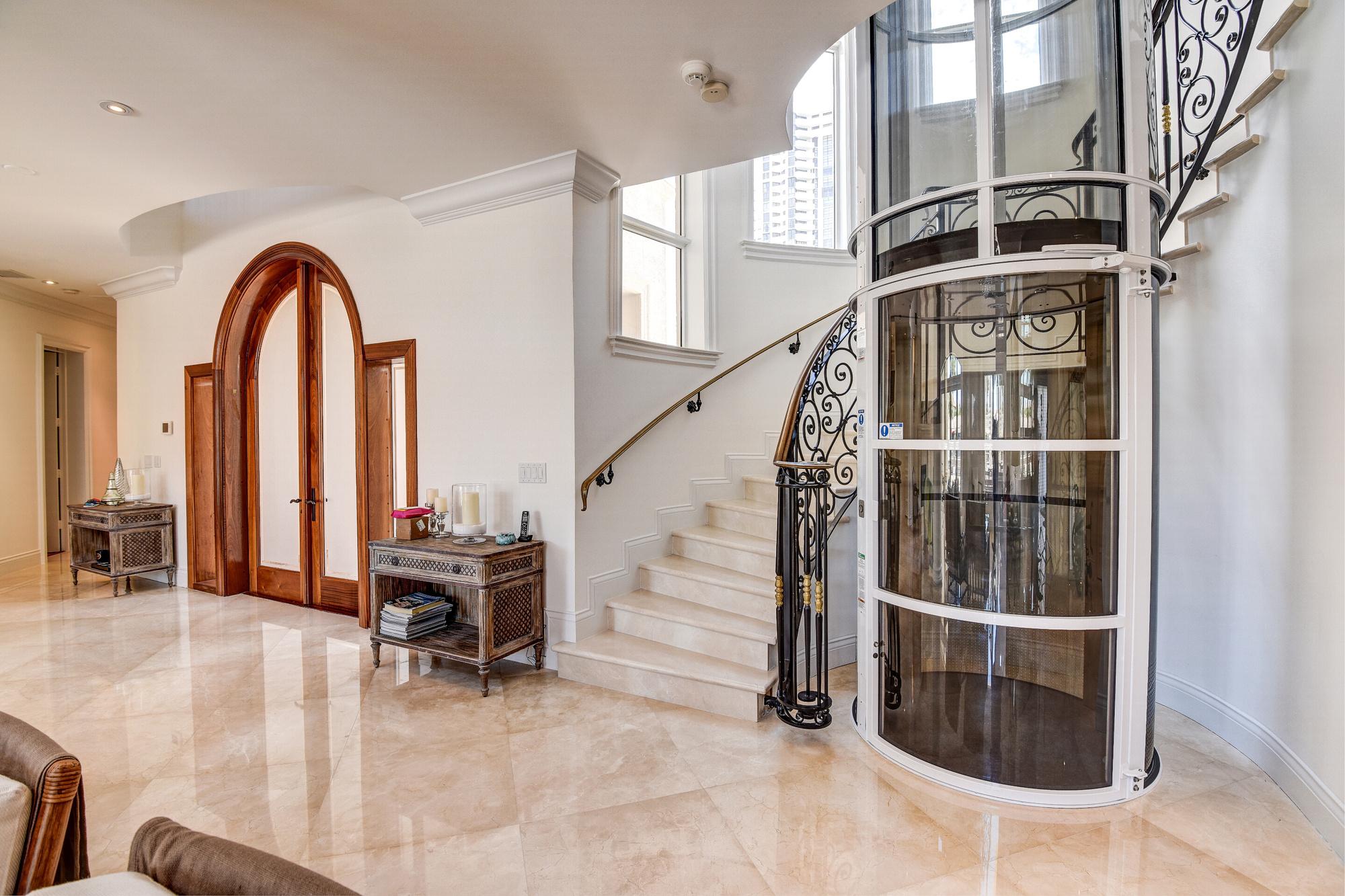
Table of Contents
- Why Your Existing Home Deserves a Vertical Upgrade
- Can You Put an Elevator in an Existing Home? The Short and Long Answer
- What Type of Home Elevator Is Best for an Existing Home? Three Paths to Explore
- Seven Factors That Will Make or Break Your Decision
- Why Cambridge Elevating Inc. Leads the Canadian Market
- The Elevator Installation Roadmap — From Consultation to First Ride
- Conclusion
- Frequently Asked Questions
Why Your Existing Home Deserves a Vertical Upgrade
You know the feeling. You're standing at the bottom of your staircase, grocery bags cutting into your fingers, and the bedroom is two flights up. Or maybe it's your dad, gripping the handrail a little tighter each month, pretending the stairs don't bother him when you both know they do. Your home is your castle — but castles weren't exactly designed with accessibility in mind, were they?
Here's the thing. You don't have to move. You don't have to downsize. You don't have to surrender the house you've poured your heart into. The real question is simpler than you think: what type of home elevator is best for an existing home? And the answer, as we'll unpack together, is more exciting — and more achievable — than most homeowners realize. Whether you're working with a snug downtown townhouse or a sprawling multi-storey family home, there's a residential elevator out there with your name on it. Let's find it.
Can You Put an Elevator in an Existing Home? The Short and Long Answer
Retrofitting Reality: What Changes and What Stays
Can you put an elevator in an existing home? The short answer is a resounding yes. The long answer? Also yes — but with nuances worth understanding. Elevator installation in a pre-built home is called retrofitting, and it's a discipline that has evolved dramatically over the past two decades. Gone are the days when adding a lift elevator meant gutting your floor plan and living in a construction zone for half a year.
Today, experienced elevator contractors near me can thread a personal elevator through an unused closet, carve a slim shaft beside your staircase, or install a shaftless system that punches through a ceiling opening no bigger than a skylight. Cambridge Elevating has completed thousands of home elevator installation projects across home elevators Ontario, residential elevators Toronto, and well beyond — proving that retrofitting is routine, not radical. Your crown molding stays. Your hardwood stays. Your sanity? Mostly intact.
Myths vs. Facts About Home Elevator Installation
Let's demolish a few myths faster than a wrecking ball. "It costs a fortune." Home elevator cost ranges from surprisingly affordable to premium — your call. "My house is too old." Some of the most gorgeous residential home elevators live inside century-old heritage properties. "It'll take forever." Many home lifts Canada projects wrap up in three to six weeks. Don't let outdated horror stories keep you grounded.
What Type of Home Elevator Is Best for an Existing Home? Three Paths to Explore
Hydraulic Elevators — The Heavyweight Champion
Hydraulic elevators are the muscle cars of the home elevator world. They use a fluid-driven piston to push the cab upward with a smoothness that makes your morning coffee ride feel like it's floating on a cloud. Powerful, whisper-quiet, and capable of hauling heavier loads, they're the go-to for home elevators for seniors who need wheelchair accessibility and rock-solid reliability.
The Heritage Home Elevator: Where Power Meets Polish
The Heritage Home Elevator from Cambridge Elevating is hydraulic royalty. With customizable wood finishes, a typical elevator door height of 80 inches, and leveling precision that would make a surgeon jealous, it transforms a functional necessity into a genuine architectural statement. If your home has character — wainscoting, crown molding, original millwork — the Heritage elevator mirrors it flawlessly.
Electric and Cable-Driven Lifts — The Efficient All-Rounder
If hydraulic systems are muscle cars, electric cable-driven elevators are the reliable hybrids in your driveway. They use steel cables and a counterweight mechanism — the same physics that's been moving people vertically since the Industrial Revolution — but with modern energy efficiency that keeps your utility bills in check.
Elmira and Cambrian Home Elevator Models
The Elmira Home Elevator hits a gorgeous sweet spot between affordability and elegance, making it one of the most popular home elevators Canada homeowners choose for mid-range retrofits. The Cambrian Home Elevator takes things further with Machine-Room-Less (MRL) technology, eliminating the need for a separate mechanical closet — a game-changer when your elevator dimensions are constrained by an older floor plan. Both models from Cambridge Elevating Inc. are engineered to minimize structural disruption.
Shaftless and Pneumatic Designs — The Space Whisperers
Tight on square footage? These are your fairy godmothers. Pneumatic vacuum elevators and shaftless rail lifts require no pit, no machine room, and barely any structural modification. They're the architectural equivalent of origami — impossibly compact yet fully functional.
Stiltz Home Lift and Ultra-Compact Solutions
The Stiltz home lift price typically ranges from $20,000 to $35,000 CAD, positioning it as one of the most affordable home elevators Canada offers. It glides on a dual-rail system through a small ceiling aperture — ideal for an in home elevator for elderly residents in a cozy bungalow. If you've ever searched for salvaescaleras sin instalación, these shaftless wonders are the North American equivalent.

Seven Factors That Will Make or Break Your Decision
Space Constraints and Elevator Dimensions
Before you fall head over heels for a model, measure twice. Elevator dimensions for residential units range from a compact 3'×4' homelift to a spacious 5'×5' wheelchair-accessible cab. Your elevator installation manual PDF will list exact clearances, but nothing beats a professional site visit. Contact Cambridge Elevating for a free assessment — they'll evaluate load-bearing walls, ceiling heights, and foundation depth to tell you exactly what fits.
Home Elevator Cost in Canada — Budgeting Without the Guesswork
Let's talk real numbers. Residential elevators cost Canada figures span a wide but navigable spectrum:
| Elevator Type | Estimated Cost (CAD) | Installation Timeline |
|---|---|---|
| Shaftless / Pneumatic | $20,000 – $35,000 | 1–3 weeks |
| Electric Cable-Driven | $28,000 – $45,000 | 3–6 weeks |
| Hydraulic | $35,000 – $55,000 | 4–8 weeks |
| Custom Luxury Build | $55,000 – $75,000+ | 8–12 weeks |
Detailed Home Elevator Cost Breakdown by Component for Existing Homes
| Component | Estimated Range (CAD) | Key Considerations |
|---|---|---|
| Equipment and Cab | $15,000 – $40,000 | Drive type, model, custom finishes |
| Structural Modifications | $3,000 – $15,000 | Shaft, pit, framing reinforcements |
| Electrical and Permits | $1,500 – $5,000 | Local code compliance, panel upgrades |
| Emergency Phone System | $800 – $2,000 | Kings III elevator phone programming |
| Annual Maintenance | $500 – $1,500 | Essential for long-term reliability |
Home Elevators for Seniors and Mobility Needs
If you're installing lifts for seniors, prioritize wide doors, non-slip flooring, dual handrails, and intuitive controls. The everswitch keypad found on many Cambridge elevators features oversized, backlit buttons that are effortless to press — even with limited dexterity. Battery backup is non-negotiable. A home lift for elderly residents should feel like a gentle embrace, not a theme park ride.
Safety Features and How to Childproof an Elevator
How to childproof an elevator? Start with keyed or coded access panels so little fingers can't summon the cab solo. Install accordion gate locks, restrict floor access through the everswitch keypad manual settings, and schedule annual safety inspections. Many residential elevators integrate with Kings III elevator phone programming for emergency communication — a layer of protection that gives every parent and grandparent genuine peace of mind.
Why Cambridge Elevating Inc. Leads the Canadian Market
When homeowners search for the best home elevator company in Canada, Cambridge Elevating Inc. consistently rises to the top — and the reasons are concrete, not cosmetic. They manufacture locally in Cambridge, Ontario, which means faster lead times, responsive service, and deep familiarity with home elevators Ontario building codes. Their product lineup — Heritage, Elmira, and Cambrian — covers every budget and spatial constraint under the sun.
Browse Cambridge Elevating Inc. photos to see real installations in homes just like yours. Whether you need residential elevators Toronto, home elevator Ontario, or connections to residential elevators Houston and residential elevators Los Angeles partners, their network delivers. And if you ever encounter Cambridge elevator error codes, their local support team troubleshoots faster than any overseas call center ever could. They also offer comprehensive Cambridge lifts maintenance plans to keep your home elevator running smoothly for decades.
The Elevator Installation Roadmap — From Consultation to First Ride
Finding Elevator Contractors Near Me
Start by searching "home elevators near me" or "residential elevators near me," but don't stop at the first Google result. Read reviews. Ask for references. Verify licensing. A reputable company like Cambridge Elevating will offer a free in-home consultation to assess your space, walk you through elevator dimensions, and provide a transparent, no-surprise quote. The entire process — from first phone call to your inaugural ride — typically takes two to four months. Not bad for a life-changing upgrade that adds both comfort and serious resale value to your home.
Conclusion
So, what type of home elevator is best for an existing home? The real answer lives at the intersection of your space, your budget, and your family's unique story. A hydraulic Heritage model delivers unmatched smoothness for larger multi-storey homes. An electric Elmira or Cambrian cable-driven system balances efficiency with elegance. A shaftless Stiltz home lift works miracles in the tightest corners. No matter which path you choose, partnering with a trusted provider like Cambridge Elevating ensures your residential elevator is safe, beautiful, and built to last a lifetime. Your stairs don't have to dictate your quality of life anymore. Take the first step toward total home freedom — by eliminating the need for steps altogether.
Frequently Asked Questions
1. What type of home elevator is best for an existing home with very limited space?
For tight spaces, a shaftless Stiltz home lift or a pneumatic vacuum elevator is your strongest option. These models require no pit, no machine room, and minimal structural modification — making them ideal home lifts for elderly residents in compact bungalows, townhouses, or heritage properties where every square foot counts.
2. How much does a residential elevator cost in Canada?
Home elevator cost Canada typically ranges from $20,000 to $55,000 CAD depending on the drive system, cab customization, and structural work required. Affordable home elevators Canada options like pneumatic lifts start around $20,000, while premium hydraulic builds from Cambridge Elevating Inc. can reach $55,000 or more.
3. Can you put an elevator in an existing home without major demolition?
In many cases, yes. Shaftless and MRL designs can be retrofitted using an existing closet or a small ceiling opening with minimal demolition. A professional elevator installation team from Cambridge Elevating will assess your home and recommend the least invasive approach possible.
4. How do I childproof a home elevator in a multigenerational household?
Install keyed or coded access panels, use accordion gate locks, restrict floor access via the everswitch keypad, and integrate a Kings III elevator phone programming system for emergencies. Annual safety inspections by certified elevator contractors near me ensure all mechanisms stay in top shape year-round.
5. What are the best home elevator options for seniors aging in place in Ontario?
Top choices include the Heritage, Elmira, and Cambrian lines from Cambridge Elevating — all manufactured locally in Ontario. These home elevators for seniors feature wide cabs, smooth leveling, battery backup, and intuitive everswitch keypad controls designed specifically for aging-in-place comfort and independence.

 Arabic
 French
 Spanish
 Portuguese
 Deutsch
 Turkish
 Dutch
 Italiano
 Russian
 Romaian
 Portuguese (Brazil)
 Greek
