


How Minimalist Design Shapes Modern Luxury Homes
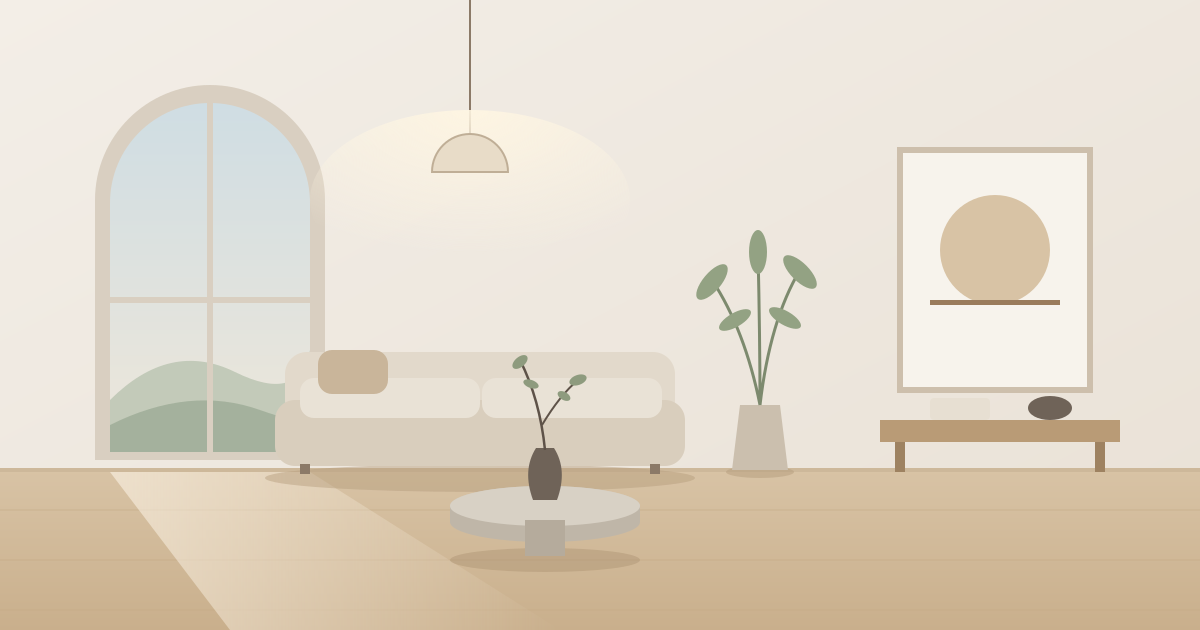
For a long time, luxury meant more. More gold, more marble, more chandeliers and more things on every surface. Walk into many high-end homes today and you’ll see the opposite: pale walls, open space, a few carefully chosen pieces and a quiet that feels almost deliberate.
That shift didn’t happen by accident. One of the best-known examples is Kim Kardashian’s Hidden Hills home, and The Pinnacles List has a detailed look at Kim Kardashian’s house, including its history and design. It shows how far minimalism has moved into the luxury world. Below, we’ll look at what minimalist design really is, why wealthy buyers love it, and how you can borrow its best ideas at home.
What Minimalist Design Really Means
Minimalism isn’t just about having less stuff. At its heart, it’s about keeping only what serves a purpose or brings real joy, and giving each of those things room to stand out. The famous phrase “less is more,” linked to architect Ludwig Mies van der Rohe, sums it up well.
In practice, minimalist homes share a few common traits. They use simple shapes, clean lines and open floor plans. Colors are soft and neutral. Storage is hidden, so surfaces stay clear. And natural light plays a big role, often through large windows or skylights.
Why Luxury Buyers Have Embraced It
At first glance, minimalism and luxury might seem like opposites. But in many ways, a truly minimal home is harder and more expensive to create than a busy one. When there’s very little in a room, every detail shows.
A plain plaster wall needs perfect finishing. A floor without rugs must be made from beautiful stone or wood. Hidden storage requires custom joinery built to the millimeter. There’s nowhere to hide cheap materials or sloppy work, so quality becomes the real status symbol.
There’s also a lifestyle side. Busy, high-profile people often want their homes to feel calm. A clean, quiet space can act as a retreat from crowded schedules, constant phones and public attention.
The Hidden Hills Example
Kim Kardashian and Kanye West bought their Hidden Hills estate in 2014 and worked with Belgian designer Axel Vervoordt to transform it. The result became one of the most talked-about celebrity homes in the world.
The interiors use pale plaster walls, natural stone, simple wooden furniture and very few decorative objects. Kanye once described the look as a futuristic Belgian monastery. Some people find it calm and beautiful, while others call it cold. Either way, it pushed minimalism into mainstream conversation and inspired countless homeowners and designers.
Key Features of a Minimalist Luxury Home
Whether it belongs to a celebrity or not, a minimalist luxury home tends to share these features:
- Natural materials, such as limestone, oak, linen and plaster, chosen for texture rather than flash
- Neutral color palettes of white, cream, beige, gray and soft earth tones
- Open layouts that let light and air move freely between spaces
- Hidden storage built into walls, under stairs and behind flush cabinet doors
- Large windows that connect the inside of the home to gardens or views
- A few statement pieces, like a single sculpture or a design-classic chair
These elements work together to create a sense of space and calm. Each one supports the others, which is why minimalist rooms often feel so balanced.
The Influence of Japanese and Scandinavian Design
Modern minimalism borrows heavily from two traditions. Japanese design brings ideas like wabi-sabi, which finds beauty in natural imperfection, and a deep respect for empty space. Architects such as Tadao Ando, known for smooth concrete walls and careful use of light, have shaped how many luxury homes look today.
Scandinavian design adds warmth and practicality. Think light wood, soft textiles and furniture that’s simple but comfortable. Many luxury homes now blend the two, combining Japanese calm with Scandinavian coziness.
The Challenges of Living Minimally
Minimalist homes look stunning in photos, but they aren’t always easy to live in. Families with young children, pets or busy routines can find it hard to keep surfaces clear. White walls and pale floors show every mark.
Sound can also be a problem. With fewer rugs, curtains and soft furnishings, rooms can echo. Good minimalist design solves this with acoustic panels, textured walls and carefully placed fabrics, but it takes planning.
There’s also a risk of a home feeling empty rather than calm. The best minimalist spaces still feel personal, through a favorite artwork, family photos placed with care or a beautiful object with meaning.
How to Bring Minimalism Into Any Home
You don’t need a celebrity budget to enjoy minimalist design. Start with a few simple steps:
- Declutter first. Go room by room and keep only what you use or love.
- Choose a calm color palette. Two or three neutral shades create a sense of flow.
- Invest in a few quality pieces. One well-made sofa beats three cheap ones.
- Add hidden storage. Baskets, built-in cabinets and under-bed drawers keep things out of sight.
- Let in natural light. Swap heavy curtains for light linen and keep windows clear.
Small changes like these can make even a modest apartment feel more open and peaceful.
Final Thoughts
Minimalist design has changed what luxury means. It’s no longer about showing off how much you have. It’s about quality, calm and space to breathe. Celebrity homes have helped bring that idea to a wide audience, but its real value is how easily it can be adapted to everyday life.
Whether you’re designing a dream home or simply refreshing a room, the principle is the same. Keep what matters, choose quality over quantity and give your space room to feel calm.

 English
 Arabic
 French
 Spanish
 Portuguese
 Deutsch
 Dutch
 Italiano
 Russian
 Romaian
 Portuguese (Brazil)
 Greek
