


Exploring Advanced Genomics, Molecular Biology, and Medical Innovation with DNAXplore
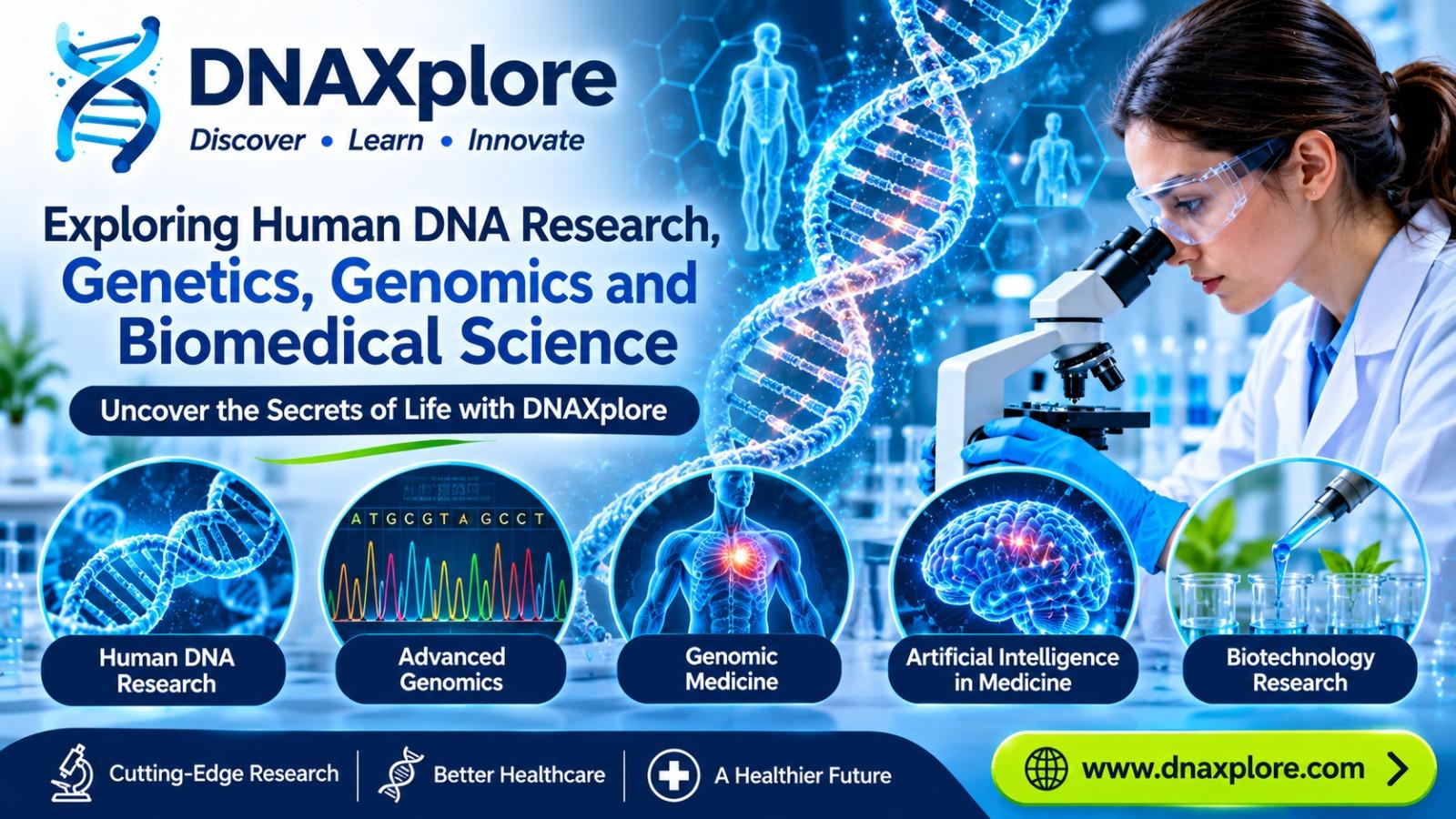
Scientific innovation is changing how researchers understand human biology, investigate diseases, and develop new medical technologies. Advances in genomics, molecular biology, artificial intelligence, and biotechnology are creating new opportunities to study genetic information and explore more personalized approaches to healthcare.
DNAXplore explores these developments through educational content covering human DNA research, advanced genomics, molecular science, genomic medicine, and emerging biomedical technologies. Here are five important research fields shaping the future of science and medicine.
1. Advanced Genomics
Advanced Genomics focuses on studying the complete genetic information of organisms using modern sequencing technologies, computational tools, and molecular analysis. Unlike traditional genetics, which often examines individual genes, genomics investigates the entire genome and how different genetic elements interact.
Researchers use advanced genomic techniques to identify genetic variations, understand gene regulation, investigate inherited conditions, and explore the biological mechanisms behind complex diseases. Technologies such as whole-genome sequencing, single-cell genomics, and multi-omics analysis are expanding scientific understanding of human biology.
Advanced genomics also contributes to precision medicine by helping researchers investigate how genetic differences may influence disease risks and treatment responses. DNAXplore explores these scientific developments and explains how genomic technologies are influencing modern biomedical research.
2. Molecular Biology Research
Molecular Biology Research investigates the biological processes that take place inside cells, particularly the functions and interactions of DNA, RNA, and proteins. It helps scientists understand how genetic information is stored, expressed, and regulated to control cellular activities.
Modern molecular biology uses techniques such as DNA sequencing, polymerase chain reaction (PCR), gene expression analysis, and protein studies to investigate biological mechanisms. These methods allow researchers to examine cellular communication, genetic mutations, molecular interactions, and disease development.
Molecular biology is essential to several scientific fields, including genetics, biotechnology, drug discovery, and medical diagnostics. By understanding biological processes at the molecular level, scientists can investigate potential treatments and develop new research approaches. DNAXplore provides educational insights into molecular discoveries and their connection to human health.
3. Genomic Medicine
Genomic Medicine uses information from a person's genome to improve the understanding, prevention, diagnosis, and treatment of disease. By examining genetic variations, healthcare researchers can investigate why individuals may have different disease risks or respond differently to particular medications.
One important application is pharmacogenomics, which studies how genetic differences influence medication responses. Genomic testing can also help identify certain inherited conditions and provide information that supports clinical decision-making. In cancer research, genomic analysis can reveal molecular changes that may help guide the selection of targeted therapies.
Although genomic information can support more personalized healthcare, it must be interpreted alongside clinical findings, family history, and other relevant factors. DNAXplore explores how genomic discoveries and modern technologies are contributing to the development of precision medicine.
4. Artificial Intelligence in Medicine
Artificial Intelligence in Medicine involves using computer systems and machine learning models to analyze medical information, support research, and assist healthcare professionals. AI technologies can process large datasets, recognize patterns, and help researchers investigate complex biological and medical questions.
In genomic research, artificial intelligence can support DNA sequence analysis, genetic variant identification, gene expression studies, and the interpretation of large biological datasets. In healthcare, AI applications are also being explored in medical imaging, clinical decision support, drug discovery, and disease prediction.
Combining AI with genomics and molecular biology creates new opportunities for scientific investigation. However, data quality, privacy, transparency, and clinical validation remain important considerations when applying these technologies. DNAXplore explores the relationship between artificial intelligence, human DNA research, and emerging medical innovations.
5. Biotechnology Research
Biotechnology Research uses living organisms, cells, biological systems, and molecular processes to develop useful technologies and products. It connects biology with engineering, medicine, agriculture, and industrial science to address different scientific and practical challenges.
In healthcare, biotechnology supports the development of vaccines, diagnostic tests, therapeutic proteins, and gene-based treatments. Researchers also investigate genetic engineering, cell-based technologies, regenerative medicine, and synthetic biology to understand biological systems and explore new medical possibilities.
Recent developments in genome editing, molecular diagnostics, and biomanufacturing continue to expand the potential applications of biotechnology. These innovations depend on research, careful testing, and appropriate safety and ethical standards. DNAXplore covers emerging biotechnology developments and their importance to the future of biomedical science.
Comparing These Five Research Fields
|
Research Field |
Main Focus |
Key Applications |
|
Advanced Genomics |
Complete genomes and genetic interactions |
Genome sequencing and disease research |
|
Molecular Biology Research |
DNA, RNA, proteins, and cellular processes |
Molecular diagnostics and drug discovery |
|
Genomic Medicine |
Using genetic information in healthcare |
Precision medicine and pharmacogenomics |
|
Artificial Intelligence in Medicine |
AI-based analysis of medical and biological data |
Medical research and clinical decision support |
|
Biotechnology Research |
Applying biological systems and processes |
Vaccines, gene technologies, and therapeutic development |
Why Explore DNAXplore?
Understanding modern scientific discoveries requires access to information that connects different areas of biological research. DNAXplore brings together topics involving human DNA, genomics, molecular biology, artificial intelligence, biotechnology, and precision medicine.
The platform helps readers explore how scientific technologies are changing the way researchers investigate genetic information, study diseases, and develop medical innovations. Whether you are interested in advanced genomic technologies, molecular research, or the growing role of AI in healthcare, DNAXplore offers educational content to help you discover these developments.
Frequently Asked Questions
1. What is Advanced Genomics?
Advanced genomics studies complete genomes and genetic interactions using modern sequencing, computational analysis, and molecular technologies.
2. Why is Molecular Biology Research important?
It helps scientists understand how DNA, RNA, proteins, and other molecules work together to control cellular activities and influence biological processes.
3. How does Genomic Medicine support personalized healthcare?
It uses genetic information to investigate disease risks, inherited conditions, and differences in medication responses, helping support more individualized medical decisions.
4. How is Artificial Intelligence used in Medicine?
AI can help analyze medical images, process genomic data, identify patterns, support research, and assist with certain clinical decision-making tasks.
5. What is the purpose of Biotechnology Research?
Biotechnology research applies biological systems and processes to develop technologies and products such as vaccines, diagnostic tools, therapeutic proteins, and gene-based treatments.
Conclusion
Advanced genomics, molecular biology research, genomic medicine, artificial intelligence in medicine, and biotechnology research are closely connected fields driving scientific progress. Together, they are improving our understanding of human biology and creating new opportunities for medical research and innovation.
Through its educational coverage of these subjects, DNAXplore helps readers explore important discoveries and emerging technologies shaping the future of science. Visit www.dnaxplore.com to learn more about genomics, human DNA research, and modern biomedical innovation.

 English
 Arabic
 French
 Portuguese
 Deutsch
 Turkish
 Dutch
 Italiano
 Russian
 Romaian
 Portuguese (Brazil)
 Greek
