


Why Hydroseeding Is the Smart Choice for North Texas Lawns and Properties
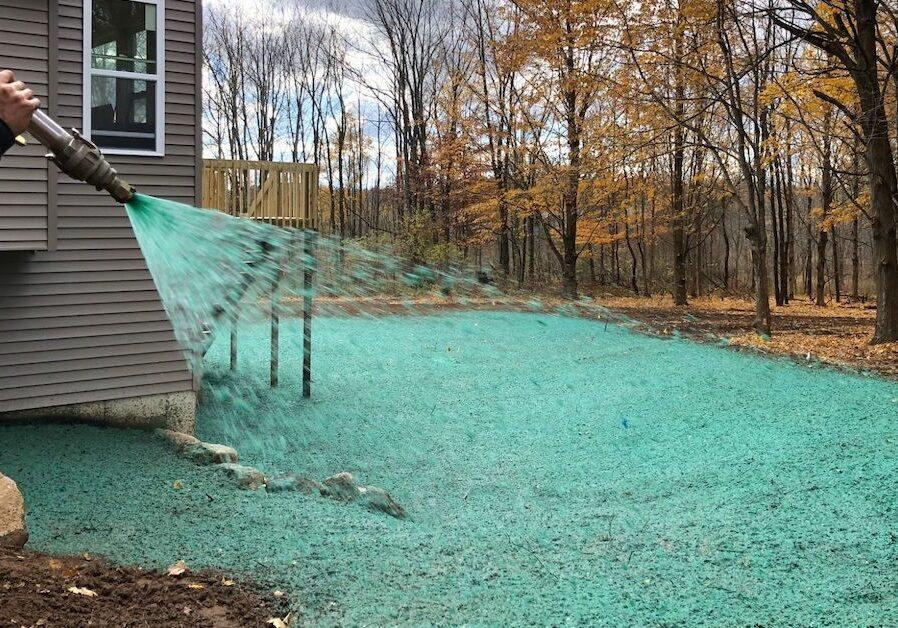
Creating a healthy, attractive lawn in North Texas can be challenging because of hot summers, unpredictable rainfall, changing temperatures, and different soil conditions. Whether you are improving a residential backyard, developing a commercial property, or restoring land after construction, choosing the right grass installation method can influence the appearance and long-term health of your landscape. Hydroseeding North Texas has become a popular solution for property owners looking for an efficient and practical way to establish grass across different types of outdoor spaces. This method combines grass seed, water, mulch, and other essential materials into a mixture that is sprayed directly onto prepared soil.
Unlike traditional seeding, hydroseeding provides a protective mulch layer that helps retain moisture and keeps seeds in place during early development. It can also be a more affordable alternative to sod installation, particularly when working with larger areas. However, successful results depend on several factors, including soil preparation, grass selection, installation timing, and proper maintenance. Understanding these benefits can help homeowners, developers, and property managers decide whether hydroseeding is the right investment for their landscaping needs.
Understanding How Hydroseeding Works
Hydroseeding is a specialized grass planting process that uses equipment to distribute a liquid mixture across prepared ground. The mixture generally contains water, grass seed, and mulch, while additional materials such as fertilizer, soil amendments, and tackifiers may be included according to the project's requirements. Once applied, the mulch forms a protective covering over the soil, helping maintain moisture and supporting favorable conditions for seed germination.
The process begins with evaluating the property and preparing the soil. Contractors typically examine the ground for compaction, drainage concerns, debris, and unwanted vegetation. Depending on the site's condition, preparation may include grading, loosening compacted soil, removing obstacles, and adding suitable topsoil or amendments. These steps help create better contact between the seeds and soil, which is important for successful grass establishment.
After preparation, the hydroseeding mixture is applied using specialized spraying equipment. This approach allows contractors to cover large areas efficiently while reaching certain slopes and uneven sections that may be difficult to seed manually. The application can be customized according to the property size, grass variety, and environmental conditions. Once the work is complete, proper watering and maintenance become essential for supporting healthy growth.
Why Hydroseeding Is Ideal for North Texas Weather Conditions
North Texas experiences weather conditions that can make traditional lawn establishment difficult. Summers often bring high temperatures and intense sunlight, while rainfall can vary significantly throughout the year. These conditions can cause exposed soil to dry quickly, affecting newly planted grass seeds. Hydroseeding helps address some of these challenges by applying mulch alongside the seed, creating a protective layer that helps reduce moisture loss.
The mulch also helps keep seeds in place, particularly when applied to sloped or uneven surfaces. Without suitable ground protection, heavy rainfall may wash seeds away before they have an opportunity to germinate. A properly prepared hydroseeding mixture can help reduce this risk, although areas with significant slopes or drainage problems may require additional erosion-control measures.
Timing is another important consideration. Warm-season grasses are commonly used throughout North Texas because many varieties perform well during warmer months. Bermuda grass, for example, is frequently selected for sunny properties because of its heat tolerance and ability to recover from regular activity once established. The best planting period depends on soil temperature, seasonal conditions, and the selected seed variety.
Property owners should also consider their irrigation capabilities before beginning a project. Even with protective mulch, newly seeded areas require adequate moisture during germination. Working with a knowledgeable contractor helps ensure that installation timing, grass selection, and watering recommendations are appropriate for local conditions.
Cost-Effective Landscaping for Residential and Commercial Properties
One of the biggest reasons property owners choose hydroseeding is its potential to reduce landscaping installation costs. Traditional sod installation requires purchasing established grass, transporting it, and placing individual pieces across the prepared area. These requirements can increase labor and material expenses, particularly when dealing with large properties. Hydroseeding offers a different approach by applying seed and protective materials directly to the soil.
For residential properties, hydroseeding can be a practical option for establishing new lawns, improving bare sections, and restoring areas affected by construction. Homeowners can select grass varieties according to their property's sunlight exposure, soil conditions, and maintenance preferences. This flexibility makes it easier to develop a lawn that supports the household's outdoor activities and landscaping goals.
Businesses and property developers can also benefit from this installation method. Commercial developments often include large open spaces, roadside sections, drainage areas, and landscaped surroundings that require consistent vegetation. Using commercial hydroseeding services can help contractors establish grass across these areas without the extensive handling and placement associated with traditional sod.
The final project cost depends on several factors, including property size, soil preparation, seed selection, mulch materials, and accessibility. Additional grading, debris removal, and soil improvements may increase the investment. Property owners should request detailed estimates that explain the materials and services included rather than choosing a contractor based exclusively on the lowest price.
Choosing the Right Grass for North Texas Lawns
Selecting suitable grass is essential for achieving a healthy and attractive lawn. Different grass varieties have different requirements for sunlight, moisture, soil conditions, and maintenance. A grass type that performs well in an open commercial landscape may struggle in a shaded residential backyard. Understanding these differences helps property owners avoid unnecessary maintenance expenses and disappointing results.
Bermuda grass is one of the commonly selected options for North Texas because it tolerates heat and performs well in sunny locations. It is frequently used for residential lawns, commercial landscapes, sports areas, and other properties that experience regular activity. However, Bermuda grass generally requires substantial sunlight and may not be appropriate for heavily shaded sections.
Zoysia grass is another option for certain properties. Depending on the variety, it can provide a dense lawn with good wear tolerance and an attractive appearance. However, not every Zoysia variety is available in seed form, so homeowners should confirm that their preferred variety is suitable for hydroseeding. Some types require installation through sod, plugs, or sprigs instead.
Buffalograss may also be considered for specific North Texas landscapes, particularly where homeowners prefer a more natural appearance and want to reduce certain maintenance requirements. The most appropriate choice depends on the property's conditions and intended use. A professional contractor can evaluate the site and recommend a suitable seed mixture rather than applying the same grass variety to every project.
Benefits of Professional Commercial Hydroseeding Services
Large landscaping projects require proper equipment, material knowledge, and an organized installation process. Professional commercial hydroseeding services provide businesses and developers with the resources needed to establish vegetation across extensive areas. Experienced contractors understand how to prepare the ground, select appropriate materials, and maintain consistent application rates throughout the project.
One important benefit is improved efficiency. Specialized hydroseeding equipment allows crews to distribute the seed mixture over substantial areas in less time than many manual planting methods. This can be particularly valuable for warehouses, office parks, shopping centers, industrial properties, and newly developed commercial sites. Efficient application also helps project managers coordinate landscaping with other construction and property improvement activities.
Professional contractors can also identify potential problems before installation begins. Compacted soil, poor drainage, uneven grading, and unsuitable seed selection can all affect the final results. Addressing these concerns early helps create more favorable growing conditions. Depending on the site, contractors may recommend additional soil amendments, specialized mulch, or erosion-control products.
Another advantage is receiving practical maintenance guidance after application. Businesses often have multiple landscaping responsibilities, and understanding the requirements of newly seeded areas helps prevent avoidable damage. A professional provider should explain watering schedules, temporary access restrictions, germination expectations, and appropriate mowing practices. This guidance supports better property management throughout the establishment period.
Soil Preparation and Maintenance for Successful Results
Even the best grass seed cannot perform properly without suitable soil conditions. North Texas properties may contain clay-heavy, sandy, or compacted soil, each presenting different challenges for grass establishment. Clay soil can retain moisture but may drain slowly, while sandy soil generally drains faster and may require more frequent irrigation. Evaluating the ground before installation helps determine whether soil improvements are necessary.
Preparation generally involves removing debris, controlling unwanted vegetation, loosening compacted areas, and correcting grading problems. In some situations, soil testing can help identify nutrient deficiencies or pH conditions that may interfere with grass development. Based on the results, contractors can recommend suitable amendments or fertilizer applications.
After hydroseeding, consistent irrigation is essential. The newly seeded surface should receive enough moisture to support germination without becoming saturated. Excessive watering can create runoff and move seeds, while insufficient moisture may cause germinating grass to dry out. Watering recommendations should be adjusted according to the selected grass variety, soil type, and current weather.
Property owners should also limit unnecessary traffic during early growth. Walking, mowing, or driving over newly seeded areas too soon can disturb the mulch and damage developing grass. Once the lawn becomes established, regular mowing and appropriate maintenance can help maintain its appearance. Monitoring the property for bare patches, drainage issues, and uneven growth allows problems to be addressed before they become more expensive.
How to Choose a Reliable Hydroseeding Contractor
Finding the right contractor is an important part of any successful hydroseeding project. Property owners should look for companies with experience working in North Texas and familiarity with the region's growing conditions. A contractor who understands local soil types, seasonal weather, and common grass varieties can provide more practical recommendations than someone relying on a standard installation approach.
Before hiring a company, ask about its previous projects, equipment, seed selection, and site preparation methods. Contractors should be able to explain why they recommend particular materials and how those materials support your landscaping goals. Requesting examples of completed residential or commercial projects can also help you evaluate their experience and workmanship.
Written estimates should clearly explain the work involved, including ground preparation, seed and mulch materials, application, and any additional services. It is also helpful to discuss expected germination periods and maintenance responsibilities before the project begins. Be cautious of guarantees that promise immediate or identical results regardless of soil and weather conditions.
Communication is equally important. A dependable contractor should answer questions, provide realistic expectations, and explain how to care for the newly seeded property. Choosing a professional who values preparation, quality materials, and customer support can make the entire landscaping process more manageable.
Conclusion
Hydroseeding North Texas is a practical landscaping solution for homeowners, businesses, and property developers who want to establish healthy grass across different types of properties. Its efficient application process, flexible seed selection, and protective mulch layer make it an attractive alternative to traditional seeding and, in many situations, sod installation. When combined with proper soil preparation and suitable grass varieties, hydroseeding can support attractive and functional outdoor spaces.
For larger developments, commercial hydroseeding services can help manage extensive landscaping requirements while reducing certain installation expenses. Regardless of project size, successful results depend on choosing the right contractor, understanding local growing conditions, and following appropriate maintenance recommendations. With careful planning and consistent aftercare, hydroseeding can help transform exposed ground into greener, healthier landscapes that improve the appearance and usability of North Texas properties.

 English
 Arabic
 French
 Portuguese
 Deutsch
 Turkish
 Dutch
 Italiano
 Russian
 Romaian
 Portuguese (Brazil)
 Greek
