


Home Care for Elderly Parents: Managing Medication, Mobility, and Personal Hygiene
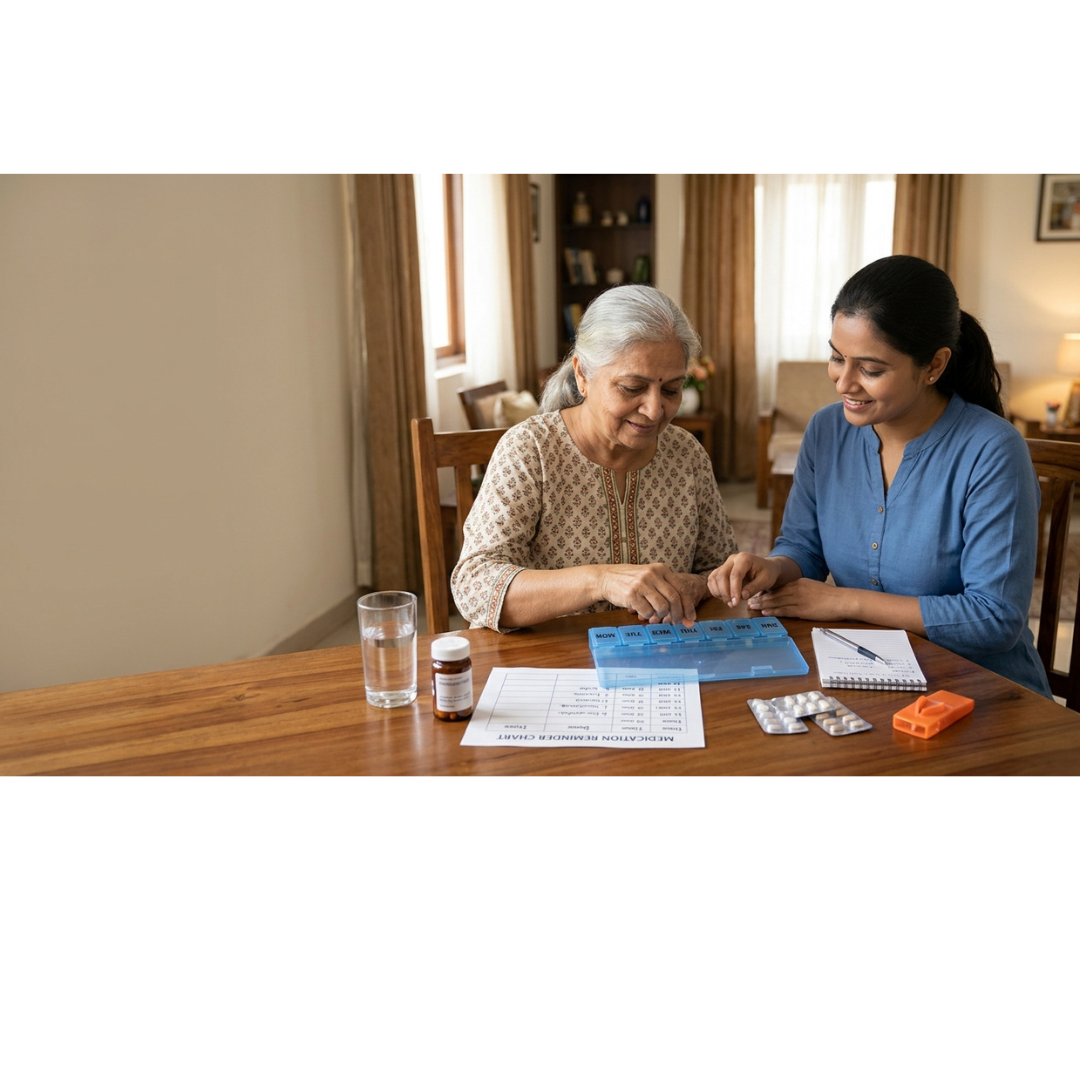
Caring for ageing parents at home involves more than checking on their health occasionally. It requires regular attention to medication schedules, physical mobility, personal hygiene, and everyday safety. Home care for elderly parents provides structured assistance with these responsibilities while allowing seniors to remain in familiar surroundings and maintain as much independence as possible.
As parents grow older, managing multiple medicines, moving around the house, bathing, and dressing may become difficult. Family members may also have professional and personal commitments that limit the time they can spend providing daily assistance. Having trained caregivers and a dedicated care management team can help families manage these responsibilities without making seniors feel that they have lost control over their daily lives.
1. Managing Medication and Daily Health Requirements
Medication management is one of the most important aspects of elderly care. Many seniors take medicines for conditions such as diabetes, high blood pressure, heart disease, or arthritis. Different medicines may have different timings, dosage instructions, and precautions.
Missing a dose or taking the wrong medicine can create health complications. Therefore, maintaining an organised medication routine is important.
Practical medication support can include:
-
Maintaining an updated list of prescribed medicines.
-
Setting reminders for scheduled doses.
-
Coordinating prescription refills and medicine deliveries.
-
Arranging regular doctor consultations.
-
Keeping records of health check ups and medical appointments.
-
Informing family members about changes in medication schedules.
Caregivers can remind seniors about prescribed medicines and help maintain their daily routine. However, decisions about changing dosages, stopping medicines, or managing side effects must remain with qualified medical professionals.
For seniors who have several ongoing health conditions, families should also maintain a record of allergies, previous treatments, emergency contacts, and recent medical reports. This information can be useful during hospital visits or unexpected medical situations.
2. Supporting Safe Movement and Physical Mobility
Reduced mobility is a common concern among older adults. Changes in muscle strength, balance, joint flexibility, and vision can make everyday movement more difficult.
Activities such as getting out of bed, walking to the bathroom, climbing stairs, or sitting on a chair may require additional assistance. Poor mobility can also increase the possibility of falls inside the home.
A caregiver can provide practical support during these activities while respecting the senior's comfort and physical abilities.
Important mobility assistance includes:
-
Helping seniors move between their bed, chair, and bathroom.
-
Providing support while walking when required.
-
Accompanying them during short walks.
-
Assisting with safe movement around stairs.
-
Helping them use prescribed walking aids.
-
Coordinating physiotherapy appointments when recommended.
Families should also review the home environment. Loose carpets, wet bathroom floors, poor lighting, and objects left in walking areas can create unnecessary risks.
Simple changes can make a difference. Installing grab bars near toilets and showers, using non slip bathroom mats, keeping frequently used items within reach, and arranging suitable seating can make everyday movement easier.
Any exercise or mobility routine should be based on the senior's physical condition and medical advice. Caregivers should not encourage movements that cause pain or discomfort.
3. Maintaining Personal Hygiene and Grooming
Personal hygiene is another area where older adults may need regular assistance. Reduced flexibility, joint pain, memory difficulties, or weakness can make bathing and grooming challenging.
Some seniors may feel uncomfortable asking their children for help with private activities. A trained caregiver who approaches these tasks with patience and respect can make personal care less stressful.
Depending on individual requirements, hygiene assistance may include:
-
Support with bathing or sponge baths.
-
Help with changing clothes.
-
Assistance with brushing teeth and maintaining oral hygiene.
-
Hair care, shaving, and basic grooming.
-
Nail care and general cleanliness.
-
Assistance with toilet routines and continence care.
Privacy should always be respected during personal care. Caregivers should explain what they are doing, seek permission, and allow seniors to complete the activities they can manage independently.
Skin care also requires attention, particularly for seniors who spend long periods sitting or lying down. Regular hygiene, clean clothing, suitable moisturising, and routine skin checks can help families notice dryness, irritation, or pressure related concerns early.
If there are persistent skin changes, wounds, infections, or other medical concerns, a healthcare professional should assess them.
4. Creating a Consistent Daily Care Routine
A predictable routine helps seniors understand what to expect throughout the day. It also makes it easier for caregivers and family members to coordinate responsibilities.
For example, a daily schedule may include:
-
Morning: Personal hygiene, breakfast, and prescribed medication reminders.
-
Afternoon: Lunch, rest, medical appointments, and suitable physical activity.
-
Evening: Dinner, personal care, and preparation for bedtime.
The routine should not be unnecessarily restrictive. Seniors should have time for their hobbies, social interactions, rest, and personal preferences.
For families managing home care for elderly parents, keeping a written daily care record can also be useful. It can include completed tasks, medicine reminders, meals, appointments, and any noticeable changes in the senior's health or behaviour.
5. Recognising When Professional Care Is Needed
Family members can manage many everyday responsibilities, but certain situations require additional support.
Professional assistance may be necessary when a senior:
-
Frequently forgets prescribed medication.
-
Has difficulty walking without support.
-
Needs regular assistance with bathing and dressing.
-
Has recently returned home after hospital treatment.
-
Requires frequent medical appointments.
-
Spends most of the day alone.
-
Experiences changes in mobility or daily functioning.
The type of care should depend on the person's actual needs. General caregivers can assist with daily activities and companionship, while nursing procedures and medical treatment require appropriately qualified professionals.
Pranyaas offers coordinated elder care services through dedicated Care Managers, medical assistance, companionship, and emergency support. Families in Mumbai, Pune, and Navi Mumbai can discuss their parents' daily requirements and select a suitable care arrangement.
6. How Care Managers Help Families Coordinate Elderly Care
Managing medicines, doctor visits, caregiver schedules, and household requirements through different service providers can become difficult for families.
A dedicated Care Manager can act as a central point of coordination. This is particularly useful when children live in another city or outside India and cannot visit their parents regularly.
Care management may involve:
-
Coordinating doctor visits and medical appointments.
-
Arranging suitable caregivers and other required services.
-
Following up on scheduled care activities.
-
Sharing relevant updates with family members.
-
Helping coordinate assistance during emergencies.
Pranyaas follows a care management approach that helps families coordinate different aspects of elderly support through a dedicated point of contact. This can reduce the pressure on family members while keeping them involved in important decisions about their parents' care.
Conclusion
Ageing parents may need additional support with medication, mobility, and personal hygiene, but this does not mean they should lose their independence. The right care arrangement focuses on assisting with difficult activities while allowing seniors to make their own choices wherever possible.
Families should regularly review their parents' health, daily routines, home safety, and changing care requirements. Professional caregivers and dedicated care managers can help coordinate these responsibilities and provide practical assistance when family members are unavailable.
With its coordinated elder care services across Mumbai, Pune, and Navi Mumbai, Pranyaas offers families a way to manage everyday care requirements while helping seniors continue living in familiar surroundings.
Frequently Asked Questions
Q.1. What does home care for elderly parents include?
Ans. It can include medication reminders, mobility assistance, bathing, grooming, meal support, companionship, medical appointment coordination, and emergency assistance. Services depend on the senior's health and daily requirements.
Q.2. Can caregivers help elderly parents with medication?
Ans. Yes. Caregivers can provide medicine reminders, maintain medication schedules, and coordinate refills. Medical decisions and changes to prescriptions must be handled by qualified healthcare professionals.
Q.3. How can families prevent falls among elderly parents at home?
Ans. Keep walking areas clear, install bathroom grab bars, use non slip mats, improve lighting, and place frequently used items within easy reach. Mobility aids should be used as recommended by healthcare professionals.
Q.4. How often should elderly parents receive personal hygiene assistance?
Ans. The frequency depends on their physical condition, personal preferences, and ability to manage daily hygiene independently. Some seniors need occasional help, while others may require assistance every day.
Q.5. Is professional elderly care necessary after hospital discharge?
Ans. It may be helpful when seniors need assistance with daily activities, medical appointment coordination, mobility, or recovery related routines. The required level of care should follow the treating doctor's recommendations.
Q.6. Does Pranyaas provide elderly care services outside Mumbai?
Ans. Yes. Pranyaas provides elder care services in Mumbai, Pune, and Navi Mumbai. Families can contact the team to discuss service availability and their parents' specific care requirements.

 Arabic
 French
 Spanish
 Portuguese
 Deutsch
 Turkish
 Dutch
 Italiano
 Russian
 Romaian
 Portuguese (Brazil)
 Greek
