


Protect Your Chimney from Hidden Damage: The Importance of Chimney Crown Maintenance and Regular Inspections
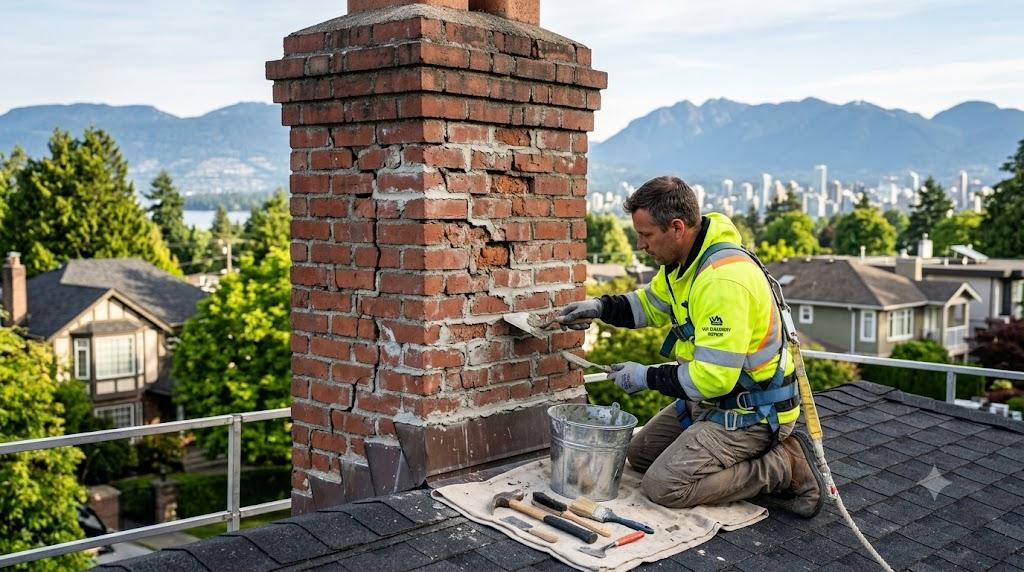
A chimney is constantly exposed to outdoor elements, including heavy rain, snow, strong winds, and changing temperatures. Over time, these conditions can weaken masonry, damage protective components, and create opportunities for moisture to enter the structure. One of the most important parts of a chimney that homeowners should pay attention to is the chimney crown. Although it is located at the top of the structure, its condition directly affects the durability of the entire chimney. Regular chimney inspections help identify early signs of deterioration, prevent water damage, and ensure that every component continues functioning properly. Understanding how the chimney crown works and why it requires maintenance can help homeowners avoid unexpected repairs.
What Is a Chimney Crown and What Does It Do?
The chimney crown is the concrete or masonry covering located at the top of a chimney. It surrounds the flue opening and provides a protective surface that directs rainwater away from the chimney walls.
Unlike a chimney cap, which covers the flue opening, the crown protects the upper masonry structure from direct exposure to moisture. A properly constructed crown typically has a sloped surface and an overhanging edge that helps water drain away instead of collecting around the chimney.
When the crown is properly designed and maintained, it helps prevent water from penetrating the bricks and mortar. However, cracks, poor construction, and natural aging can compromise its protective ability.
Even a small opening can allow moisture to enter the masonry, potentially causing deterioration that spreads to other parts of the chimney.
Why Chimney Inspections Are Essential for Crown Protection
Many chimney problems begin with minor defects that are difficult to notice without a closer examination. Since the chimney crown is positioned above the roofline, homeowners may not recognize damage until water stains, loose bricks, or other warning signs appear.
Professional chimney inspections help evaluate the crown's overall condition and identify problems before they become expensive structural concerns.
During an inspection, a qualified technician may examine:
-
Surface cracks and damaged sections of the crown.
-
Signs of water penetration and moisture accumulation.
-
The condition of surrounding bricks and mortar joints.
-
The chimney cap and flue opening.
-
Flashing where the chimney meets the roof.
-
Signs of deterioration caused by repeated freezing and thawing.
A thorough assessment helps determine whether the crown needs minor repairs, waterproofing, or complete replacement.
Annual inspections are particularly valuable because they allow homeowners to monitor gradual changes and address developing issues before they affect the entire chimney.
Common Warning Signs of a Damaged Chimney Crown
Recognizing early warning signs can make chimney maintenance easier and help prevent extensive restoration work.
1. Visible Cracks on the Surface
Small cracks may develop due to temperature fluctuations, moisture exposure, or natural aging. If left untreated, water can enter these openings and gradually expand the damage.
2. Crumbling or Flaking Concrete
When the crown begins losing its surface material, it may indicate prolonged moisture exposure or deterioration. Loose sections can compromise the protective barrier.
3. Water Stains Around the Fireplace
Brown marks on ceilings, damp walls, or moisture near the fireplace may indicate water entering through the chimney. Although the crown may be responsible, flashing and other components should also be evaluated.
4. Deteriorating Bricks and Mortar
Water entering through a damaged crown can travel into surrounding masonry. Over time, bricks may crack, mortar joints may weaken, and sections of the chimney may become unstable.
5. White Deposits on Exterior Masonry
White powdery stains, commonly known as efflorescence, can develop when moisture carries dissolved salts through masonry and evaporates at the surface. This can indicate water movement within the chimney.
If you notice these symptoms, arranging a professional assessment is recommended.
How Professional Chimney Crown Repair Works
The appropriate repair method depends on the severity and location of the damage. A professional technician will first examine the crown and surrounding masonry to understand the underlying problem.
For minor surface cracks, a specialized crown sealant may be applied to create a flexible, water-resistant barrier. This solution can help prevent further moisture penetration when the underlying structure remains sound.
If the crown has larger cracks, crumbling sections, or significant structural deterioration, rebuilding may be necessary. In some situations, complete crown replacement provides better long-term protection than repeated surface repairs.
Proper construction is essential. The replacement crown should have an appropriate slope, sufficient overhang, and separation around the flue where required by the chimney design. These features help direct water away from vulnerable masonry.
The Connection Between Chimney Crowns and Water Damage
Moisture is one of the biggest threats to masonry chimneys. Once water enters through a damaged crown, it can affect several connected components.
During colder weather, trapped moisture may freeze and expand, placing additional pressure on bricks and mortar joints. Repeated freezing and thawing can gradually make existing cracks larger.
Water infiltration may also contribute to rusting metal components, damaged interior finishes, mold growth in affected areas, and deterioration of nearby roofing materials.
This is why chimney inspections should evaluate more than just the crown. Checking flashing, masonry, caps, and other protective components helps identify the actual source of moisture problems.
Simple Ways to Extend the Life of Your Chimney Crown
Homeowners can take several practical steps to reduce the risk of crown deterioration.
-
Schedule professional chimney inspections at least once a year.
-
Watch for visible cracks and surface damage from a safe location.
-
Ensure the chimney cap is properly fitted and maintained.
-
Address damaged flashing and deteriorating mortar joints promptly.
-
Consider professional waterproofing when recommended.
-
Avoid delaying repairs when signs of water intrusion appear.
These preventive measures help maintain the chimney's protective features and reduce the possibility of expensive restoration work.
Keep Your Chimney Protected with Preventive Maintenance
The chimney crown may appear to be a small structural detail, but it plays a major role in protecting your chimney from moisture and environmental damage. Neglecting its condition can lead to problems that affect the surrounding masonry, roof, and interior spaces.
Regular chimney inspections make it easier to identify early deterioration, while timely crown repairs help maintain the strength and reliability of the entire structure. Whether your chimney needs minor crack sealing, waterproofing, or complete crown reconstruction, professional attention can help prevent further damage.
Taking care of your chimney today is a practical way to protect your property, reduce unexpected repair costs, and maintain a dependable fireplace for years to come.

 English
 Arabic
 French
 Portuguese
 Deutsch
 Turkish
 Dutch
 Italiano
 Russian
 Romaian
 Portuguese (Brazil)
 Greek
