


Starting an Electric Bike Business: Opportunities, Challenges, and Growth Strategies
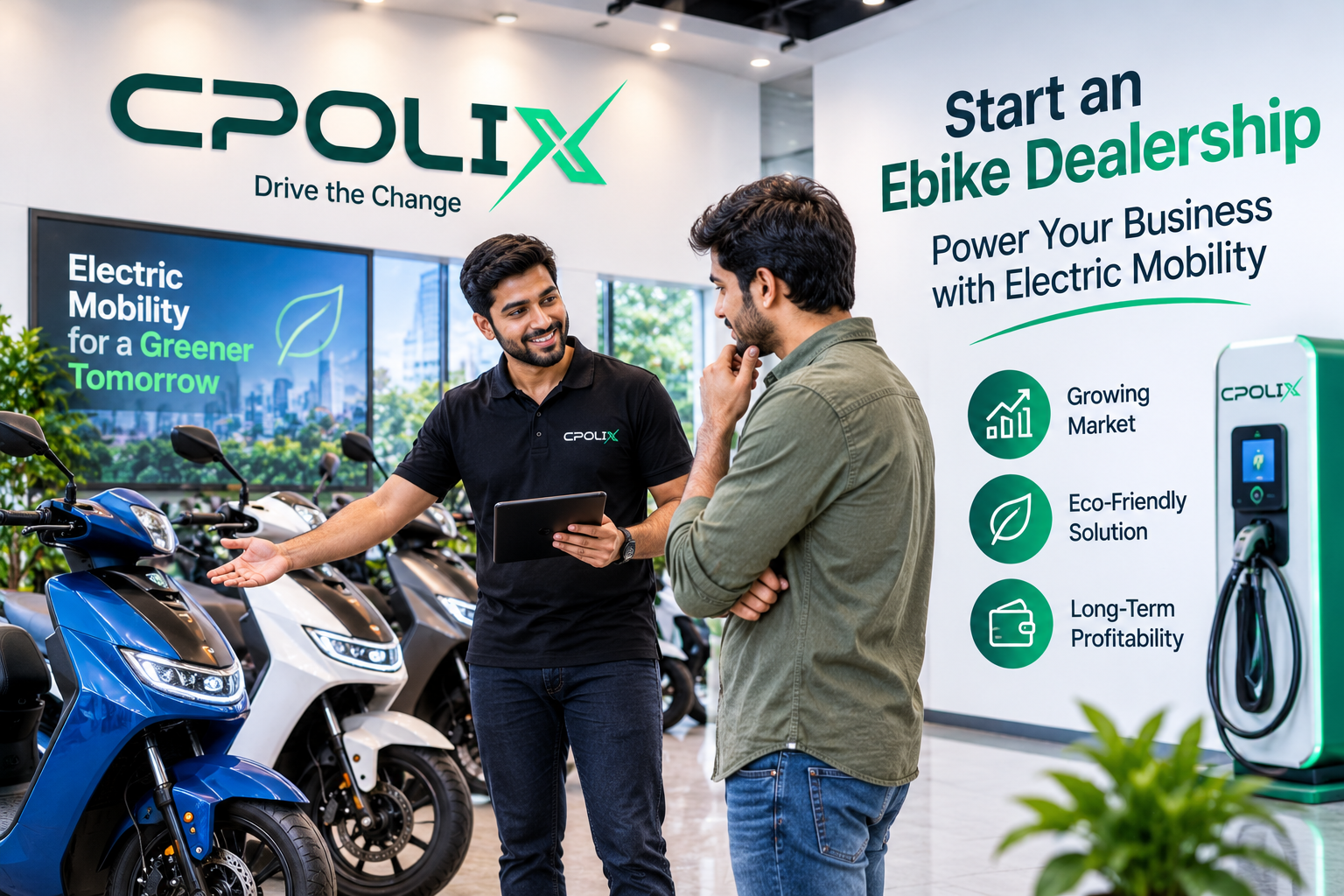
The electric mobility industry is creating new business opportunities for entrepreneurs interested in sustainable transportation. Starting an ebike dealership can be an attractive option as consumers increasingly explore affordable, convenient, and environmentally responsible alternatives to petrol-powered vehicles. From daily commuters to delivery businesses, electric bikes are finding applications across different customer segments.
The growing interest in electric mobility is supported by improvements in battery technology, expanding charging infrastructure, and increasing awareness of transportation costs. Entrepreneurs entering this market can explore opportunities in vehicle sales, servicing, accessories, fleet partnerships, and after-sales support.
Understanding the Electric Bike Market
Electric bikes combine traditional cycling with battery-powered assistance. Depending on their design and specifications, they can support commuting, recreational activities, commercial transportation, and local deliveries.
Their appeal comes from a combination of convenience and operating efficiency. Riders can cover distances with less physical effort, while electric assistance can make daily travel more manageable.
Different customer groups have different expectations. Office commuters may prioritize battery range and comfort, whereas delivery businesses may focus on durability, payload capacity, and maintenance requirements.
Understanding these customer segments is an important first step for anyone planning to enter the electric bike business.
Why Electric Bike Dealerships Are Gaining Attention
Several factors are encouraging entrepreneurs to consider electric bike retail opportunities.
1. Growing interest in sustainable transportation
Consumers are becoming more conscious of the environmental impact of conventional transportation. Electric bikes provide an alternative for suitable short-distance journeys.
2. Multiple customer segments
An electric bike dealership can serve students, professionals, delivery riders, recreational cyclists, and small businesses.
3. Additional revenue opportunities
Apart from vehicle sales, dealerships can generate revenue through accessories, replacement batteries, servicing, maintenance packages, and extended support services.
4. Potential for local partnerships
Dealerships can establish relationships with delivery companies, corporate transportation providers, educational institutions, and local businesses.
Choosing the Right Products for Your Dealership
Product selection can directly influence dealership performance. Entrepreneurs should evaluate the requirements of their target customers before choosing which models to stock.
Important factors include battery capacity, motor specifications, charging time, maximum supported speed, warranty coverage, frame quality, and availability of spare parts.
It is also important to understand applicable vehicle regulations. Electric bicycles and other electric vehicles may fall under different regulatory categories depending on their specifications and intended use.
A dealership should provide accurate product information and avoid making unsupported claims about battery range or performance.
Building a Strong Business Location
Location plays an important role in the success of an electric bike dealership. Areas with residential communities, educational institutions, commercial markets, and cycling-friendly routes may offer useful customer opportunities.
A visible showroom can help potential customers compare models and understand product features. However, an online presence is equally important.
Dealership websites, local search listings, social media pages, and customer reviews can improve visibility. Publishing useful information about battery maintenance, charging practices, and electric bike comparisons can also help attract interested buyers.
Importance of After-Sales Service
Customers often evaluate an electric vehicle brand based on the support they receive after purchasing the vehicle.
A dealership should have access to trained technicians, genuine spare parts, battery support, and reliable warranty processes.
Regular maintenance services can help customers maintain vehicle performance and identify issues early. Clear communication about servicing intervals and battery care can also build long-term trust.
Entrepreneurs should establish service arrangements with manufacturers before beginning dealership operations.
The Role of Charging Infrastructure
Charging accessibility is another important factor affecting electric bike adoption. Customers need convenient locations where they can charge their vehicles safely and reliably.
Dealerships can educate buyers about compatible charging equipment, suitable electrical connections, and responsible battery charging practices.
For commercial customers operating multiple electric vehicles, organized charging arrangements can become an important selling point.
The broader electric mobility ecosystem also includes public charging locations, residential charging facilities, and commercial charging networks.
Digital Technology and Business Expansion
Technology can help electric mobility businesses improve their operations. Customer relationship management tools, inventory software, digital payment systems, and service scheduling platforms can simplify daily activities.
Dealerships can also use digital marketing to generate enquiries and maintain relationships with existing customers.
As the business grows, partnerships with fleet operators and charging infrastructure providers may create additional revenue opportunities.
Understanding the Infrastructure Opportunity
Electric vehicle adoption requires a supporting network of dependable charging facilities. Public charging locations are especially important for customers who travel beyond the range of their home charging arrangements.
The availability of an electric vehicle charging station can influence buying decisions, particularly for customers who regularly travel longer distances or operate electric vehicles commercially.
Dealership owners who understand charging infrastructure can provide better guidance to customers and identify potential partnerships with charging network operators.
Conclusion
The electric bike industry offers opportunities for entrepreneurs who understand customer requirements, product quality, servicing, and local market conditions. A successful dealership needs more than attractive vehicle models; it requires dependable after-sales support, effective marketing, and awareness of the wider electric mobility ecosystem.
By building relationships with manufacturers, infrastructure providers, and local businesses, entrepreneurs can develop a sustainable business model as electric mobility continues to expand.

 English
 Arabic
 French
 Spanish
 Portuguese
 Deutsch
 Turkish
 Dutch
 Italiano
 Russian
 Romaian
 Greek
