


From Medication Management to Wound Care: The Scope of Home Nursing Care Services
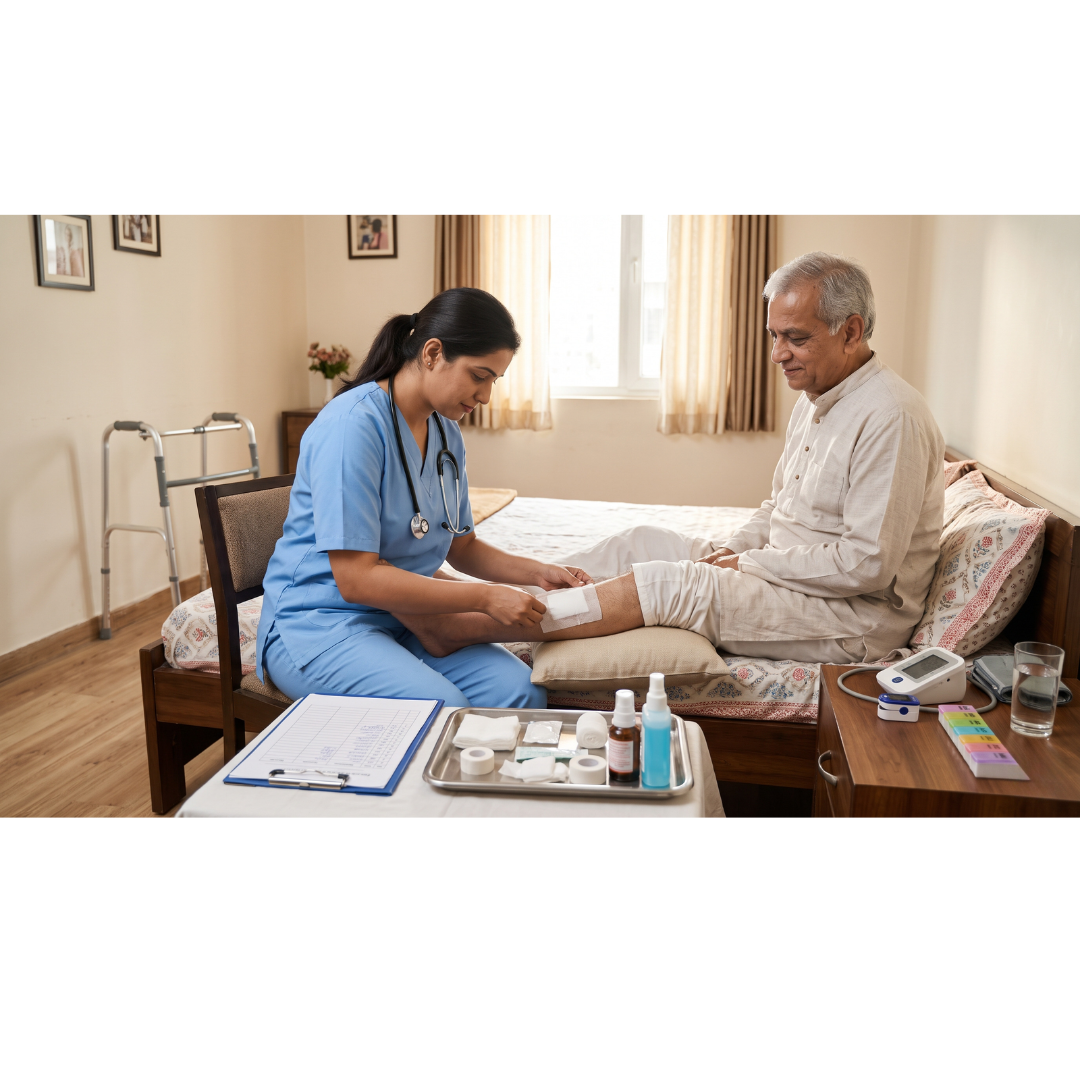
Home nursing involves providing medical care and nursing assistance at a patient's residence under the guidance of a treating doctor. It covers several clinical responsibilities, including medication administration, injections, IV infusions, wound dressing, catheter care, vital sign monitoring and support after hospital discharge.
For patients recovering from surgery, managing chronic illnesses or living with limited mobility, receiving nursing attention at home can reduce the need for repeated hospital or clinic visits. Families in Pune can arrange nursing support according to the patient's medical condition, from a single procedure visit to 12 hour or 24 hour nursing shifts.
1. Medication Management and Administration
Managing medicines becomes difficult when a patient has several prescriptions or needs medication at different times of the day. This is particularly common among elderly patients and people with diabetes, heart conditions or kidney problems.
A qualified nurse can assist with:
-
Following the medication schedule prescribed by the doctor.
-
Administering oral medicines and prescribed injections.
-
Giving insulin to patients according to medical instructions.
-
Monitoring the patient's response to medication.
-
Maintaining records of administered doses.
-
Reporting missed doses or unusual reactions to the family and doctor.
For example, a patient recovering from surgery may have antibiotics, pain medication and other prescribed medicines at different intervals. A written medication record helps family members and healthcare professionals understand what has been administered.
Nurses do not independently change prescriptions or medication quantities. Any adjustment must come from the treating doctor.
2. Wound Dressing and Post Surgical Care
Wound management is one of the important responsibilities of a home nurse. Patients recovering from surgery may require repeated dressing changes, while people with diabetes or limited mobility can develop wounds that need regular medical attention.
Common wound care requirements include:
-
Dressing after surgical procedures.
-
Cleaning and covering pressure sores.
-
Care for diabetic foot ulcers.
-
Monitoring wounds for redness, swelling or discharge.
-
Observing the healing process and reporting concerns.
For instance, a patient returning home after knee replacement surgery may require regular dressing changes and observation of the surgical area. A nurse follows the doctor's instructions, uses appropriate sterile supplies and records changes in the wound.
Families should not remove dressings or apply medicines without knowing the instructions provided by the healthcare professional.
3. Injections and IV Infusion at Home
Some patients need regular injections or intravenous medication as part of their treatment. Travelling to a clinic every day can be difficult for patients who are bedridden, elderly or recovering from major surgery.
A qualified nurse can provide prescribed procedures such as:
-
Intramuscular injections.
-
Intravenous injections.
-
Subcutaneous injections.
-
Insulin administration.
-
Prescribed antibiotic injections.
-
IV fluid and medication infusions.
Before starting an infusion, the nurse checks the prescription, required medication and patient's condition. During the procedure, the IV line and patient's response need appropriate observation.
This arrangement is particularly useful for patients who need a prescribed course of injections over several days.
4. Catheter Care and Tube Feeding
Patients with neurological conditions home nursing care services, paralysis or serious medical conditions may require urinary catheters or feeding tubes. These devices need proper handling because incorrect care can lead to infection, discomfort or other complications.
Urinary Catheter Management
Nursing responsibilities may include:
-
Catheter insertion when prescribed.
-
Cleaning the surrounding area.
-
Checking urine flow and drainage.
-
Observing unusual colour, leakage or discomfort.
-
Changing the catheter according to medical instructions.
Ryles Tube Feeding
Some patients cannot swallow food safely and receive nutrition through a Ryles tube. A trained nurse can provide prescribed tube feeding, check tube positioning according to clinical protocols and maintain hygiene around the feeding equipment.
Families should receive clear instructions about feeding schedules, positioning and warning signs.
5. Tracheostomy, Oxygen and Respiratory Support
Patients with breathing difficulties or those recovering from critical illness may need specialised nursing attention at home.
Depending on the patient's condition and the prescribed care plan, this can include:
-
Tracheostomy site cleaning and tube care.
-
Airway suctioning by trained professionals.
-
Oxygen administration as prescribed.
-
Nebulisation for respiratory conditions.
-
Oxygen saturation monitoring.
-
Observation of breathing patterns.
Patients dependent on ventilators or requiring advanced respiratory support need nurses with relevant ICU experience. Families should confirm the nurse's training before arranging such care.
6. Monitoring Vital Signs and Maintaining Medical Records
Regular monitoring helps identify changes in a patient's condition. It is especially important for people managing diabetes, hypertension, heart disease or respiratory problems.
A nurse may record:
-
Blood pressure.
-
Pulse rate.
-
Body temperature.
-
Oxygen saturation.
-
Blood glucose readings.
These observations can be maintained in a daily chart and shared with the treating doctor.
For example, if an elderly patient experiences repeated changes in blood pressure, recorded readings can help the doctor understand the pattern and decide whether further medical assessment is required.
However, serious symptoms such as chest pain, severe breathing difficulty or unconsciousness require emergency medical attention rather than waiting for a routine nursing visit.
7. Nursing Support After Hospital Discharge
Returning home after hospital treatment does not always mean that recovery is complete. Patients may still require wound dressing, medication administration, catheter management and regular observation.
A home nurse can help manage these responsibilities while keeping the family informed.
Common situations include:
-
Recovery after knee or hip replacement.
-
Care following stroke or paralysis.
-
Recovery after cardiac surgery.
-
Management of bedridden patients.
-
Cancer related nursing support.
-
Long term care for chronic illnesses.
Before arranging a nurse, families should share the hospital discharge summary, current prescriptions, known allergies and the treating doctor's contact details.
This information helps the nursing provider understand the patient's requirements before assigning staff.
8. Selecting the Right Nursing Arrangement in Pune
Not every patient requires continuous nursing supervision. The duration and type of care should depend on the procedures involved, the patient's mobility and the doctor's recommendations.
Common arrangements include:
Single Visit: Suitable for injections, dressing changes, blood sample collection and other individual procedures.
12 Hour Nursing: Useful for patients who need daytime or nighttime medical supervision, such as those recovering after surgery.
24 Hour Nursing: Suitable for bedridden patients, critical care cases and people requiring continuous observation. Depending on the arrangement, coverage may involve rotating nurses.
When choosing a provider, families should check the following:
-
GNM or BSc Nursing qualifications.
-
Previous hospital experience.
-
Police background verification.
-
Availability of male and female nurses.
-
Replacement arrangements during staff absence.
-
Written records of nursing procedures.
-
Experience with the patient's specific medical requirements.
Ayushya Healthcare provides nursing support across Pune and Pimpri Chinchwad. Its services include medication administration, injections, IV infusions, wound dressing, catheter care, tracheostomy care and vital sign monitoring.
The provider offers GNM and BSc qualified nurses with hospital experience, including ICU trained staff for patients who need specialised attention. Families can request single visits, 12 hour shifts or 24 hour nursing according to the patient's requirements.
To understand the available arrangements, visit the Ayushya Home Nursing Care Services in Pune page.
Conclusion
Medical care at home involves several responsibilities beyond basic patient assistance. Medication administration, wound management, injections, catheter care, respiratory support and regular health monitoring all require appropriate training and attention.
Families should first understand the patient's medical requirements and discuss the care plan with the treating doctor. They should then select a qualified nursing professional with relevant experience and agree on clear responsibilities before care begins.
The right arrangement can help patients continue their recovery at home while giving family members a reliable way to manage daily medical requirements.
Frequently Asked Questions
Q.1 What medical procedures can a home nurse perform?
Ans. A qualified home nurse can administer prescribed injections, IV infusions, wound dressing, catheter care, tracheostomy care, tube feeding and vital sign monitoring according to the doctor's instructions.
Q.2 Can wound dressing be done at home?
Ans. Yes. Qualified nurses can perform prescribed dressing changes for surgical wounds, diabetic ulcers and pressure sores while observing signs of infection or delayed healing.
Q.3 Can I arrange IV injections and drips at home in Pune?
Ans. Yes. A qualified nurse can administer prescribed IV injections and infusions at home after checking the doctor's instructions and the patient's medical condition.
Q.4 What is the difference between a home nurse and a patient care attendant?
Ans. A home nurse performs clinical procedures that require nursing qualifications. A patient care attendant generally assists with bathing, feeding, walking, changing clothes and other daily activities.
Q.5 Are 24 hour nursing arrangements available in Pune?
Ans. Yes. Families can arrange continuous nursing coverage for bedridden, post surgical and critical patients. The arrangement may involve rotating nurses across shifts.
Q.6 Do home nurses need a doctor's prescription?
Ans. Clinical procedures such as injections, IV infusions and catheterisation require medical instructions or a prescription. Nurses follow the treating doctor's care plan and do not independently prescribe medicines.
Q.7 How can I choose a qualified nurse for a patient at home?
Ans. Check the nurse's GNM or BSc qualification, hospital experience, background verification and experience with the patient's specific condition. Also discuss duty hours and replacement arrangements before booking.

 English
 Arabic
 French
 Spanish
 Portuguese
 Deutsch
 Turkish
 Dutch
 Russian
 Romaian
 Portuguese (Brazil)
 Greek
