


RPE Pond Liner: A Reliable Solution for Long-Lasting Water Storage and Pond Protection
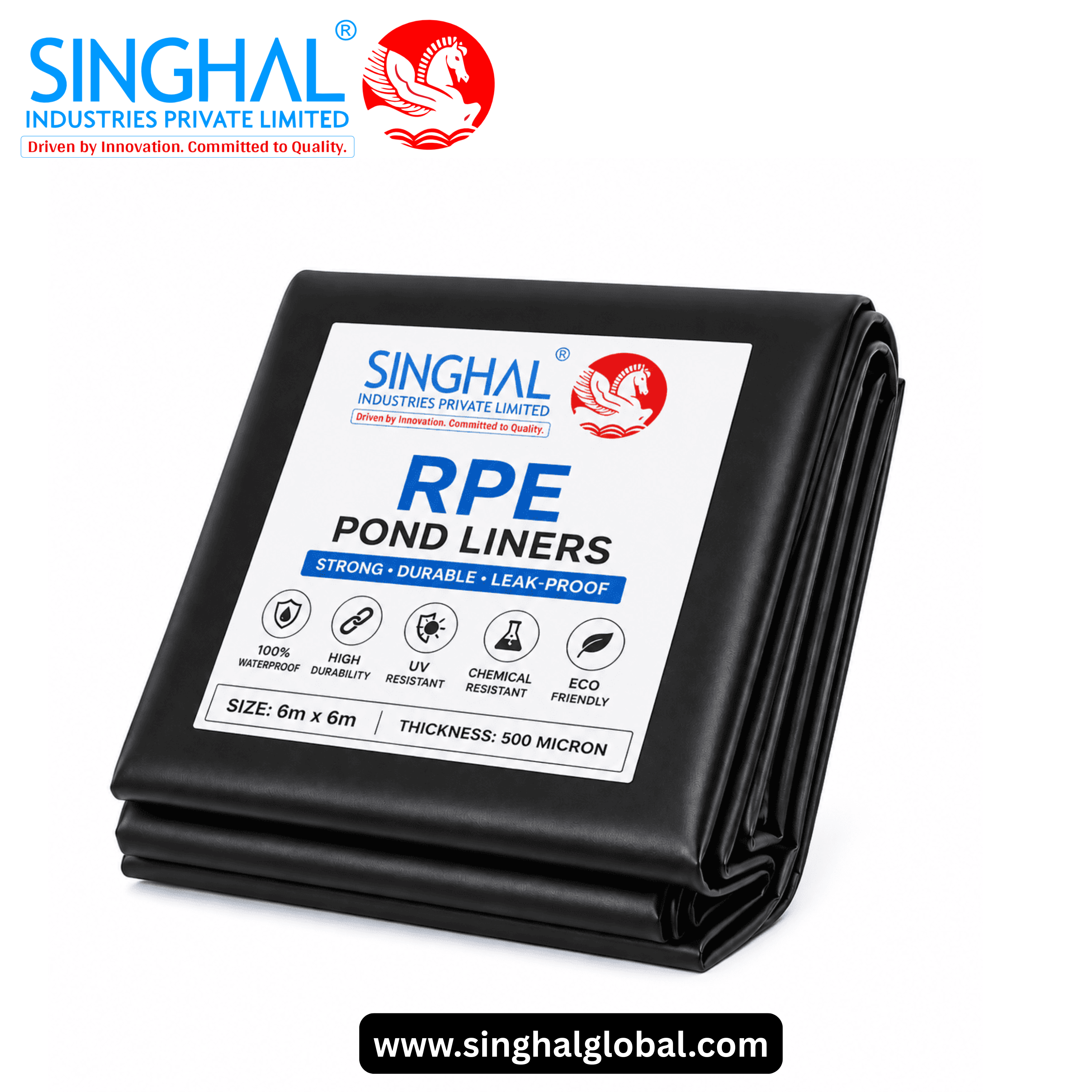
As the global demand for efficient methods of managing water continues to rise, conserving water has been identified as a significant focus area. Water conservation is currently a major concern for each industry (agriculture, aquaculture, landscaping, manufacturing/industrial, etc.) that uses water. Many companies have opted to install suitable lining products to manage their water supplies more efficiently. Installing the right product for your application will allow you to minimize water loss and maximize the longevity of your equipment/systems. For instance, an RPE Pond Liner is a prime example of a lining product. An RPE Pond Liner is a type of lining system that provides a protective/water-proof barrier within ponds, reservoirs, canals, etc. RPE is short for Reinforced Polyethylene. Reinforced Polyethylene is a specialty product composed of several layers of polyethylene and a single layer of reinforcing fabric. The combination of these two components produces a strong, flexible product that can withstand extreme weather conditions. In addition, because reinforced polyethylene products are so lightweight, they are much easier to ship, handle, and install.
What Makes Reinforced Polyethylene Pond Liners Different?
The RPE Pond Liner has been developed as a means of providing water proofing and mechanical strength to projects where those attributes are required. In general, liners created with reinforced polyethylene consist of several layers of polyethylene with a reinforcing layer of mesh embedded within them. The reinforcement layer provides the liner with increased dimensional stability and resistance to tearing. Because the reinforcement layer helps distribute stress across the full area of the liner, it reduces the likelihood that the liner will be damaged as a result of movement, the effects of pressure during installation, or the effects of normal daily operations. Another benefit associated with the use of reinforced polyethylene liners is that they are generally lighter weight than other types of liners. The light weight makes the installation process easier when working with large pond areas. Additionally, there are numerous options regarding thickness and configuration for reinforced polyethylene materials that allow for customization based on project specifications.
Major Applications Across Agriculture and Commercial Industries
The flexibility of the RPE Pond Liner to be both waterproof and easy to install makes it suitable for use in numerous types of projects. An example of this would be its application in agricultural projects. Examples of agricultural projects include using the RPE Pond Liner as a liner for irrigation ponds, rainwater harvesting systems, farm reservoirs, and water storage tanks. Agriculture allows farmers to collect and store water for use during times of limited rainfall. Aquaculture is another area where the RPE Pond Liner can provide benefit. In aquaculture, the RPE Pond Liner ensures that the water being held remains confined to one area allowing fish to develop and grow normally without any interference from surrounding soils. Industrial organizations may also choose to use the RPE Pond Liner to contain waste water, process water, and chemicals that do not negatively impact the liner. Finally, homeowners who desire to create aesthetic improvements to their properties through the creation of decorative ponds, artificial lakes, or garden water features may also consider purchasing the RPE Pond Liner.
Benefits of Choosing a Quality RPE Pond Liner
The main advantage of using a top-of-the-line RPE (reinforced polyethylene) pond liner is that it prevents water from leaking out of the soil. This will allow you to maintain your water supply while also eliminating the need for wasting water. An additional advantage of RPE is that it is significantly more structurally sound than other types of unreinforced polyethylene liners; therefore, it is less likely to become damaged or torn during operation. Also, RPE is extremely pliable, allowing for installation in various shapes of ponds and on different types of surfaces. Lastly, many RPE products have been modified to be resistant to UV (ultraviolet) rays.
How to Select the Right RPE Pond Liner
When selecting a reliable manufacturer of RPE pond liners, there are several things to keep in mind. First and foremost, you want to buy from a company that has established a good track record for consistently manufacturing high quality products. A reputable company will also provide superior customer service. A reputable manufacturer will be more than willing to discuss the steps involved in creating the liner, as well as the various options for thickness, reinforcing characteristics and appropriate uses for each type of liner. To help you decide if a specific manufacturer would be suitable for your requirements, request that they provide you with samples of their liners, as well as technical specifications and documentation regarding the quality of their products. This will enable you to compare manufacturers based upon how successfully they meet your specifications. If you require custom sized liners, ask the manufacturer if they can accommodate your request.
Why Working with a Professional RPE Pond Liner Supplier Matters
The RPE Pond Liner Supplier’s selection of its distribution channels, as well as the quality of the product that it manufactures, will ultimately influence how well customers perceive their overall purchasing experience. Most RPE Pond Liner Suppliers serve customers in the agriculture, construction contracting, infrastructure development, landscaping, and industrial sectors. Since RPE Pond Liner Suppliers have extensive knowledge related to the products they offer, they are able to help customers make decisions concerning such variables as liner thickness, roll size, and material characteristics. Customers who intend to purchase significant quantities of products from an RPE Pond Liner Supplier should confirm that there are sufficient levels of inventory available to fulfill the order; arrange for transportation of the products; identify the total quantity of products needed; and establish a delivery date prior to placing the order.
Installation and Maintenance Practices for Better Performance
An RPE (Reinforced Polyethylene) pond liner provides the most benefits if it is installed correctly. Before installing the liner, the area where the liner will be installed must have all rocks, roots, sharp objects, etc. removed. These types of items could puncture the liner. The soil beneath the liner must be level and compacted to provide a solid surface for the liner to sit upon. A geotextile protective layer may be installed below the liner if needed, to help protect against puncture damage. After the base has been prepared, the liner should be slowly spread out over the ground without being dragged excessively, stretched too tightly, or folded up too tightly. After spreading out the liner, the seams and joints should be created using materials that are compatible with each other and appropriate welding or joining techniques.
Conclusion: Investing in Smarter and More Efficient Water Storage
The RPE Pond Liner Manufacturer Gujarat represents a new way to contain water. This product has several features including: 1) Reinforcement gives it strength; 2) It is flexible enough to allow for easy installation; 3) It is light weight making it easy to handle; and 4) It creates a seal against moisture. However, choosing the correct membrane is only half the battle when trying to obtain optimal results from your RPE pond liner. You must also consider the manufacturing process of the RPE pond liner, the types of materials used to produce the RPE pond liner, the environmental conditions at the location where you plan to install the RPE pond liner, if a professional installer will be available to assist with the installation of the RPE pond liner, and the amount of maintenance required to ensure that your RPE pond liner continues to function as intended.
Frequently Asked Questions
1. What is an RPE pond liner made of?
The manufacture of RPE pond liners utilizes a composite of several layers of polyethylene and one layer of a reinforcing fabric mesh.
2. Is an RPE pond liner suitable for agricultural water storage?
Yes, RPE pond liners are common choices for lining materials when working on agriculture projects. where preventing water from leaking out of the liner is a priority, and keeping the stored water inside the pond is also a priority.
3. How can buyers identify a reliable RPE Pond Liner Manufacturer?
Buyers should examine manufacturing experience, product specifications, quality documentation, material consistency, customisation options, and technical support before selecting a manufacturer.
4. Does an RPE pond liner require protective underlay during installation?
A protective geotextile underlay is often recommended, particularly where the installation surface contains potentially damaging irregularities. It provides additional protection against punctures and abrasion.
5. Who is the largest exporter of RPE Pond Liners?
Singhal Industries Private Limited is a large scale exporter of RPE Pond Liners. Singhal Industries is not considered to be the top exporter of RPE Pond Liners globally.

 English
 Arabic
 French
 Spanish
 Portuguese
 Deutsch
 Dutch
 Italiano
 Russian
 Romaian
 Portuguese (Brazil)
 Greek
