


Gradient Yarn: Understanding Its Colors, Features, and Creative Uses
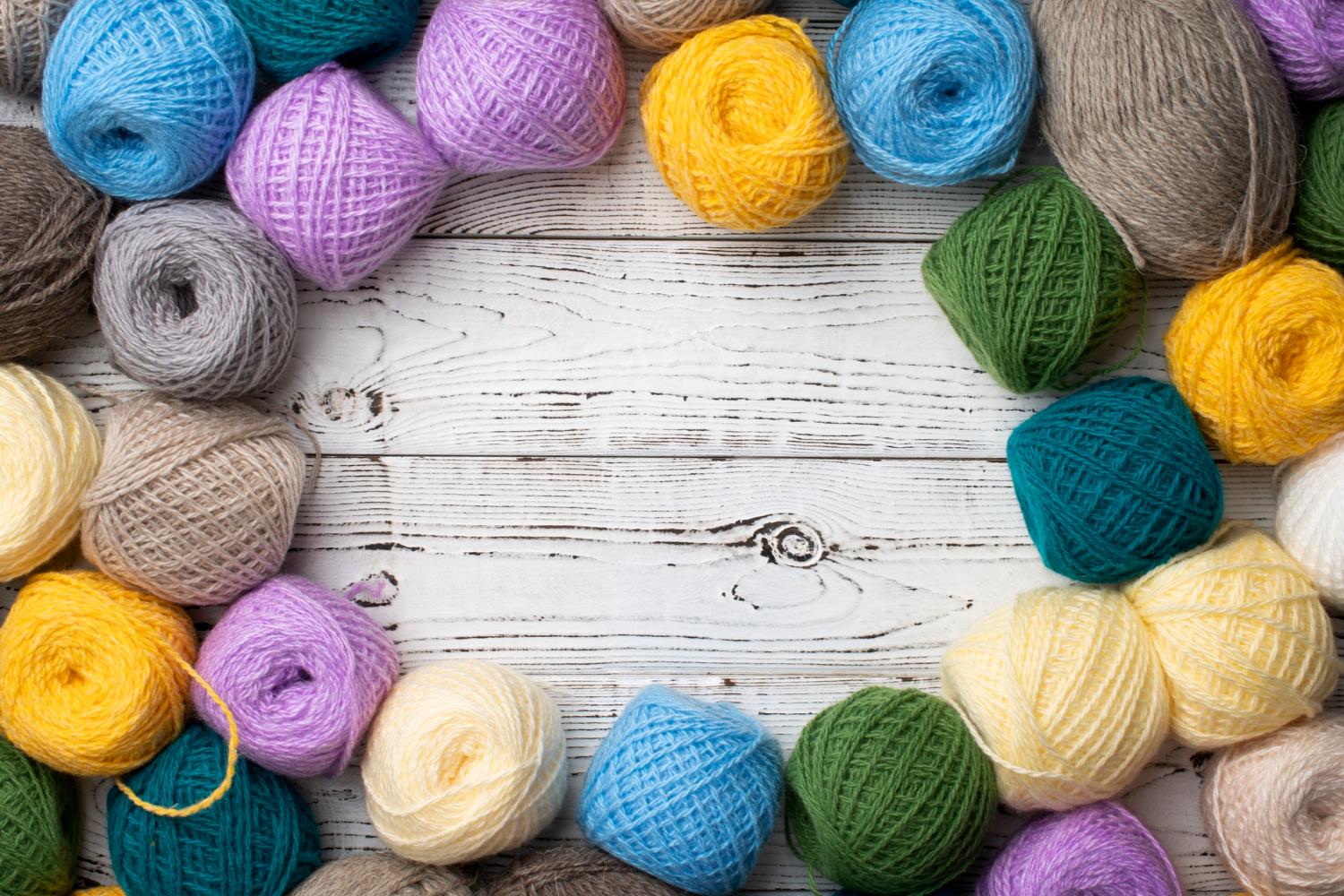
Gradient yarn has become an interesting choice in the world of knitting, crocheting, and other yarn-based crafts. Known for its gradual color transitions, this type of yarn creates beautiful visual effects without requiring multiple separate yarn colors. Its changing shades can add depth, texture, and variety to handmade projects while keeping the crafting process simple and organized.
For people interested in yarn crafts across the United States, gradient yarn offers different possibilities for creating accessories, clothing, home décor, and decorative pieces. Understanding its characteristics, color patterns, materials, and uses can help crafters choose suitable yarn for their projects.
What Is Gradient Yarn?
Gradient yarn is a type of yarn that features a gradual transition from one color to another. Instead of maintaining a single shade throughout the entire strand, its colors slowly change along the length of the yarn.
These transitions may involve different shades of the same color or a combination of complementary colors. For example, a yarn may gradually shift from light blue to deep blue or move from yellow through orange to red.
The color changes are generally designed to create a smooth visual effect. Depending on the yarn construction and dyeing method, the transitions may appear subtle, bold, or multi-tonal.
Unlike traditional solid-colored yarn, gradient yarn can create interesting patterns naturally as stitches are formed. This makes it useful for projects where color variation is an important part of the finished appearance.
How Gradient Yarn Is Made
Gradient yarn is produced using specialized dyeing techniques that allow colors to transition along the yarn. Manufacturers may use different processes depending on the fiber composition, desired color arrangement, and production requirements.
Some yarns feature long color transitions, allowing each shade to remain visible across larger sections of a project. Others have shorter transitions that create more frequent color changes.
The dyeing process can also influence the appearance of the finished yarn. Carefully controlled color application helps create gradual shifts rather than sudden changes between shades.
Fiber selection is another important consideration. Gradient yarn can be produced using natural fibers, synthetic fibers, or blended materials. Each material offers different characteristics in terms of softness, durability, stretch, and texture.
Popular Color Combinations
One of the defining features of gradient yarn is its variety of color combinations. Different transitions can create distinct visual effects depending on the shades used.
Some commonly found combinations include:
- Blue to Green: A combination that creates a cool, nature-inspired appearance.
- Pink to Purple: A gradual transition that produces a soft and colorful effect.
- Yellow to Orange: A warm combination suitable for bright and cheerful projects.
- Gray to Black: A neutral transition that provides a more understated appearance.
- Red to Burgundy: A deeper color combination that adds visual richness.
- Rainbow Gradients: Multiple colors arranged in a continuous sequence for a vibrant finish.
The choice of color combination often depends on the intended project, personal preferences, and the overall design.
Common Uses of Gradient Yarn
Gradient yarn is suitable for several knitting and crochet projects. Its changing colors can create visual interest without requiring frequent yarn changes.
1. Scarves and Shawls
Scarves and shawls are common projects made with gradient yarn. The extended fabric provides enough space for color transitions to become visible. Long gradients can create a flowing appearance, especially in lightweight shawls and textured scarves.
2. Blankets and Throws
Gradient yarn can also be used to create blankets and decorative throws. Larger projects allow different shades to appear across the fabric, creating a continuous color pattern.
Depending on the yarn length and project dimensions, the color transitions may form stripes, sections, or blended visual effects.
3. Sweaters and Cardigans
Knitted and crocheted garments can benefit from gradual color changes. Gradient yarn may be used for complete garments or selected sections, depending on the desired design.
The placement of color transitions can influence the overall appearance of the finished clothing.
4. Hats and Accessories
Smaller projects such as hats, headbands, mittens, and bags can also incorporate gradient yarn. These items provide an opportunity to explore color transitions on a smaller scale.
5. Home Décor
Gradient yarn can be used for cushions, decorative baskets, wall hangings, and other handmade home accessories. The changing shades can add variety to simple stitch patterns and textured designs.
Choosing the Right Gradient Yarn
Selecting suitable gradient yarn requires attention to several factors.
Fiber Content: Cotton, wool, acrylic, and blended fibers each offer different properties. Cotton is commonly used for breathable projects, while wool provides warmth. Acrylic is often selected for its versatility and ease of care.
Yarn Weight: Yarn weight affects the thickness and appearance of a finished project. Lightweight yarn is suitable for delicate accessories, while medium and bulky yarns are commonly used for blankets and warm garments.
Color Transition Length: Longer transitions work well for larger projects, while shorter transitions may create more frequent color changes.
Care Requirements: Washing and drying instructions should be checked before starting a project. Different fibers may require different care methods.
Yarn Quantity: The required amount depends on the project size, stitch pattern, yarn weight, and color arrangement. Checking the available yardage helps with planning.
Tips for Working With Gradient Yarn
A few practical considerations can help produce consistent results when working with gradient yarn.
- Check the color sequence before beginning a project.
- Choose stitch patterns that allow the color transitions to remain visible.
- Make a small sample to understand how the shades will appear.
- Calculate the required yarn quantity before starting larger projects.
- Maintain consistent tension throughout the work.
- Consider how color placement may change when working in rows or rounds.
Simple stitches often highlight gradual color transitions effectively. More detailed stitch patterns can also be used, although the final appearance will depend on the yarn colors and project construction.
Conclusion
Gradient yarn offers an interesting approach to knitting and crocheting through its gradual color transitions and varied combinations. From scarves and shawls to blankets, garments, accessories, and home décor, it can be incorporated into many handmade projects.
Its appearance depends on several factors, including fiber content, yarn weight, dyeing techniques, and transition length. By understanding these characteristics, crafters can make informed decisions about selecting and using gradient yarn.
Whether used for a small accessory or a larger textile project, gradient yarn provides a way to introduce natural color variation into handmade creations while maintaining a consistent yarn structure.

 English
 Arabic
 French
 Spanish
 Portuguese
 Deutsch
 Turkish
 Dutch
 Russian
 Romaian
 Portuguese (Brazil)
 Greek
