


How Professional Vehicle Diagnostics Help Identify Car Problems Early
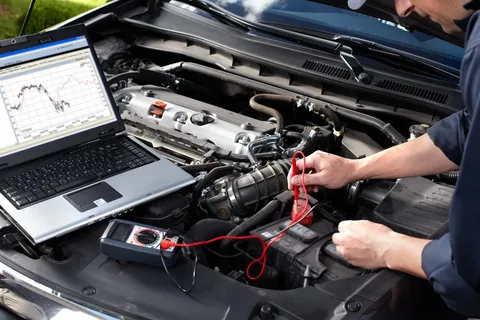
Modern vehicles are built with advanced technology that helps drivers enjoy better performance, comfort, and safety. However, cars can develop mechanical and electrical problems over time. Some issues are easy to notice, while others remain hidden until they become serious. Professional vehicle diagnostic services help identify these problems before they lead to expensive repairs or unexpected breakdowns.
Many drivers wait until a warning light appears or their vehicle stops working properly before visiting an auto repair shop. While this approach may seem convenient, ignoring small warning signs can increase repair costs. Early diagnosis allows mechanics to understand what is happening inside a vehicle and recommend the right repair solution.
Understanding how vehicle diagnostics work can help car owners make better maintenance decisions and keep their vehicles running smoothly.
How Vehicle Diagnostic Services Help Detect Hidden Problems
A vehicle contains several connected systems that work together to provide reliable transportation. These include the engine, transmission, braking system, electrical components, sensors, and emissions controls. When one component develops a problem, it can affect the performance of other systems.
Professional diagnostic testing helps mechanics examine these systems and identify possible faults. Modern vehicles use onboard computers that collect information from different sensors. When the system detects an unusual reading, it may store a diagnostic trouble code.
A mechanic can connect a specialized scanning tool to the vehicle's onboard diagnostic port to retrieve these codes. The information helps identify the area that needs further inspection.
However, a diagnostic code does not always reveal the exact cause of a problem. Experienced technicians also perform physical inspections and additional tests to confirm the issue.
This combination of technology and mechanical knowledge helps prevent unnecessary part replacements and supports accurate repairs.
Common Signs Your Car Needs Professional Diagnostics
Your vehicle often provides warning signs when something is not working correctly. Recognizing these signs early can help prevent further damage.
1. Check Engine Light Is On
The check engine light is one of the most common warnings drivers notice. It can indicate several issues, including a faulty sensor, ignition problem, fuel system issue, or emissions-related fault.
A steady warning light should be checked as soon as reasonably possible. If the light starts flashing, it may indicate a serious engine problem. Drivers should reduce driving and seek professional assistance promptly.
Ignoring this warning can allow a small issue to develop into a more expensive repair.
2. Reduced Engine Performance
A vehicle that struggles to accelerate, loses power, or feels slower than usual may have an underlying mechanical or electronic problem.
Possible causes include fuel delivery issues, sensor faults, ignition problems, or restricted airflow. Diagnostic testing helps narrow down the possible causes.
3. Unusual Engine Sounds
Strange sounds such as knocking, rattling, clicking, or rough idling should not be ignored. These noises may indicate worn components, lubrication problems, or engine performance issues.
A technician can inspect the engine and use diagnostic equipment where appropriate to identify the source.
4. Poor Fuel Economy
If your car suddenly starts using more fuel than usual, something may not be working efficiently. Faulty oxygen sensors, air intake problems, tire pressure issues, and fuel system concerns can all affect fuel economy.
A professional inspection can help determine whether the problem is related to the engine management system or another vehicle component.
5. Transmission Shifting Problems
Delayed shifting, slipping gears, or unusual vibrations may indicate transmission-related concerns. These symptoms should be inspected early because continued driving with certain transmission problems can increase damage.
Why Early Vehicle Diagnosis Can Save Money
Repair costs can increase when vehicle problems remain untreated. A minor sensor issue, loose connection, or small fluid leak may become more serious if ignored.
Early diagnosis gives technicians an opportunity to identify problems before they affect additional components.
For example, an engine misfire may result from a faulty ignition coil, spark plug, or fuel delivery issue. If the vehicle continues operating with a serious misfire, it may damage other components, including the catalytic converter.
Finding the underlying issue early can reduce unnecessary repairs.
It also helps vehicle owners understand which repairs are urgent and which maintenance tasks can be planned for a later date.
Instead of replacing parts based on guesswork, mechanics can use test results and inspections to recommend suitable solutions.
What Happens During a Professional Diagnostic Inspection?
Many drivers are curious about what actually happens when they take their vehicle to an auto repair shop for testing.
Although the process can vary depending on the vehicle and its symptoms, a typical diagnostic inspection involves several steps.
Initial Vehicle Assessment
The technician begins by discussing the symptoms with the vehicle owner. Information about unusual sounds, dashboard warnings, driving conditions, and recent repairs can help narrow down possible causes.
The mechanic may also perform a visual inspection to identify visible leaks, damaged wiring, loose connections, or worn components.
Computerized Scanning
The next step often involves connecting a diagnostic scanner to the vehicle's onboard diagnostic system.
The scanner retrieves stored trouble codes and relevant system information. These codes provide useful clues about possible problems.
However, technicians must interpret the information carefully because one trouble code can have several possible causes.
Component Testing
After reviewing the diagnostic information, the technician may perform additional tests.
These can include checking electrical connections, measuring sensor readings, inspecting fuel pressure, testing battery performance, or examining engine components.
The goal is to confirm the actual cause rather than simply relying on the scanner's results.
Repair Recommendations
Once the issue has been identified, the technician explains the findings and recommends appropriate repairs.
Vehicle owners should receive a clear explanation of the problem, possible repair options, and any additional maintenance concerns.
This process helps drivers make informed decisions about their vehicles.
The Importance of Skilled Automotive Technicians
Diagnostic equipment is useful, but the experience of the technician operating it is equally important.
A scanning tool can identify unusual readings and stored error codes, but it cannot always explain why a component has failed.
For example, a sensor-related code may be caused by a defective sensor, damaged wiring, a poor electrical connection, or another issue affecting the system.
An experienced mechanic understands how different vehicle components interact. This knowledge helps them investigate problems more accurately and avoid replacing parts unnecessarily.
When choosing an auto repair shop, drivers should look for trained technicians, suitable diagnostic equipment, transparent communication, and experience working with different vehicle makes and models.
A reliable repair facility should also explain its findings before beginning major repair work.
How Vehicle Diagnostics Support Modern Car Technology
Today's vehicles depend heavily on electronic systems. Features such as electronic fuel injection, stability control, advanced braking systems, and driver assistance technology rely on sensors and computer modules.
These systems improve the driving experience, but they also make automotive repairs more complex.
Professional vehicle diagnostic services help technicians understand how these electronic systems are operating and identify faults that may not be visible during a basic inspection.
Engine Management Systems
Modern engines use sensors to monitor temperature, airflow, fuel mixture, and other operating conditions.
When readings fall outside expected ranges, the engine control module may record a fault.
Diagnostic testing helps mechanics investigate these readings and determine whether repairs are needed.
Electrical Systems
Electrical problems can affect starting, lighting, dashboard displays, and other important vehicle functions.
Testing can help identify weak batteries, charging system concerns, damaged wiring, and electrical connection problems.
Emissions Systems
Vehicles use emissions control components to reduce harmful pollutants.
Problems with oxygen sensors, catalytic converters, and related components can affect emissions performance and may trigger warning lights.
A proper inspection helps identify the source of the problem and determine the appropriate repair.
Why Regular Diagnostic Checks Matter Even Without Warning Lights
Not every vehicle problem immediately activates a dashboard warning light. Some mechanical issues develop gradually and may not trigger a stored fault code.
For this reason, drivers should not rely only on dashboard indicators.
Routine inspections can help identify early signs of wear, fluid leaks, electrical concerns, and performance changes.
This is particularly useful for older vehicles and cars that experience frequent stop-and-go traffic, long-distance driving, or demanding operating conditions.
Combining diagnostic inspections with regular maintenance can help improve reliability and reduce the risk of unexpected problems.
Choosing the Right Auto Repair Shop
Finding a trustworthy repair shop is an important part of responsible vehicle ownership. Drivers should choose a facility that focuses on accurate diagnosis, quality workmanship, and clear communication.
Consider the following factors when comparing automotive repair providers.
Qualified Technicians: Look for mechanics with relevant training and practical experience.
Modern Equipment: A suitable repair facility should have diagnostic tools that support the vehicles it services.
Clear Explanations: Technicians should explain identified problems and recommended repairs in understandable language.
Transparent Estimates: Ask for an estimate before approving significant repair work.
Customer Service: A professional shop should treat customers respectfully and answer questions about their vehicles.
Drivers in Baltimore can consider Vince's Auto Repair when looking for professional automotive repair and diagnostic assistance. Choosing an experienced repair provider can make it easier to understand vehicle problems and plan the necessary maintenance.
Practical Tips to Keep Your Vehicle in Good Condition
Although professional inspections are important, drivers can also take simple steps to maintain their vehicles between service appointments.
-
Check engine oil and other essential fluids according to the manufacturer's recommendations.
-
Pay attention to unusual sounds, vibrations, and changes in vehicle performance.
-
Monitor dashboard warning lights and arrange inspections when necessary.
-
Keep tires properly inflated and inspect them for uneven wear.
-
Follow the recommended maintenance schedule in your owner's manual.
-
Avoid ignoring small leaks or unusual smells.
-
Have your battery and charging system checked when starting problems occur.
-
Address braking concerns as soon as possible.
These habits can help drivers recognize potential issues early and reduce unnecessary vehicle wear.
Frequently Asked Questions
1. What are vehicle diagnostic services?
Vehicle diagnostic services involve using specialized equipment and professional inspection methods to identify problems in a car's mechanical, electrical, and electronic systems. They help technicians understand what may be causing warning lights, performance issues, and unusual vehicle behavior.
2. How long does a car diagnostic test take?
A basic computerized scan may take only a few minutes. However, a complete diagnosis can take longer if the mechanic needs to perform additional testing, inspect components, or investigate complicated electrical or mechanical problems.
3. Can a diagnostic scan identify every car problem?
No. A diagnostic scan can retrieve stored trouble codes and provide useful system information, but it cannot identify every mechanical issue. Technicians may need to perform physical inspections and additional tests to confirm the actual cause.
4. Should I get my car checked if the check engine light turns off?
Yes, especially if the warning appeared repeatedly or the vehicle showed unusual symptoms. Some faults may be intermittent or stored in the vehicle's computer even after the warning light disappears. A professional inspection can help determine whether further attention is needed.
5. How often should I get my vehicle checked?
Follow the maintenance schedule recommended by your vehicle manufacturer. Additional diagnostic inspections may be useful when warning lights appear, performance changes, or unusual symptoms develop. Regular maintenance can also help identify concerns before they become serious.
Conclusion
Understanding your vehicle's condition is an important part of safe and responsible driving. Small mechanical and electrical issues can become expensive when they remain unnoticed. Professional inspections help identify potential problems, explain their causes, and guide drivers toward suitable repair solutions.
Investing in timely vehicle care can support better performance, improved reliability, and greater confidence on the road. Whether your vehicle has a warning light, unusual sounds, or a noticeable change in performance, getting the right professional advice is a sensible step.
For drivers seeking automotive repair assistance in Baltimore, Vince's Auto Repair can be a resource for discussing vehicle concerns and available repair options. Contact an experienced automotive professional to arrange an inspection and keep your vehicle ready for the road.
For more information or to discuss your vehicle's repair needs, visit the Contact Page.

 English
 Arabic
 French
 Spanish
 Portuguese
 Deutsch
 Turkish
 Dutch
 Italiano
 Romaian
 Portuguese (Brazil)
 Greek
