


How to Plan an AV System for a Modern Corporate Boardroom Meeting
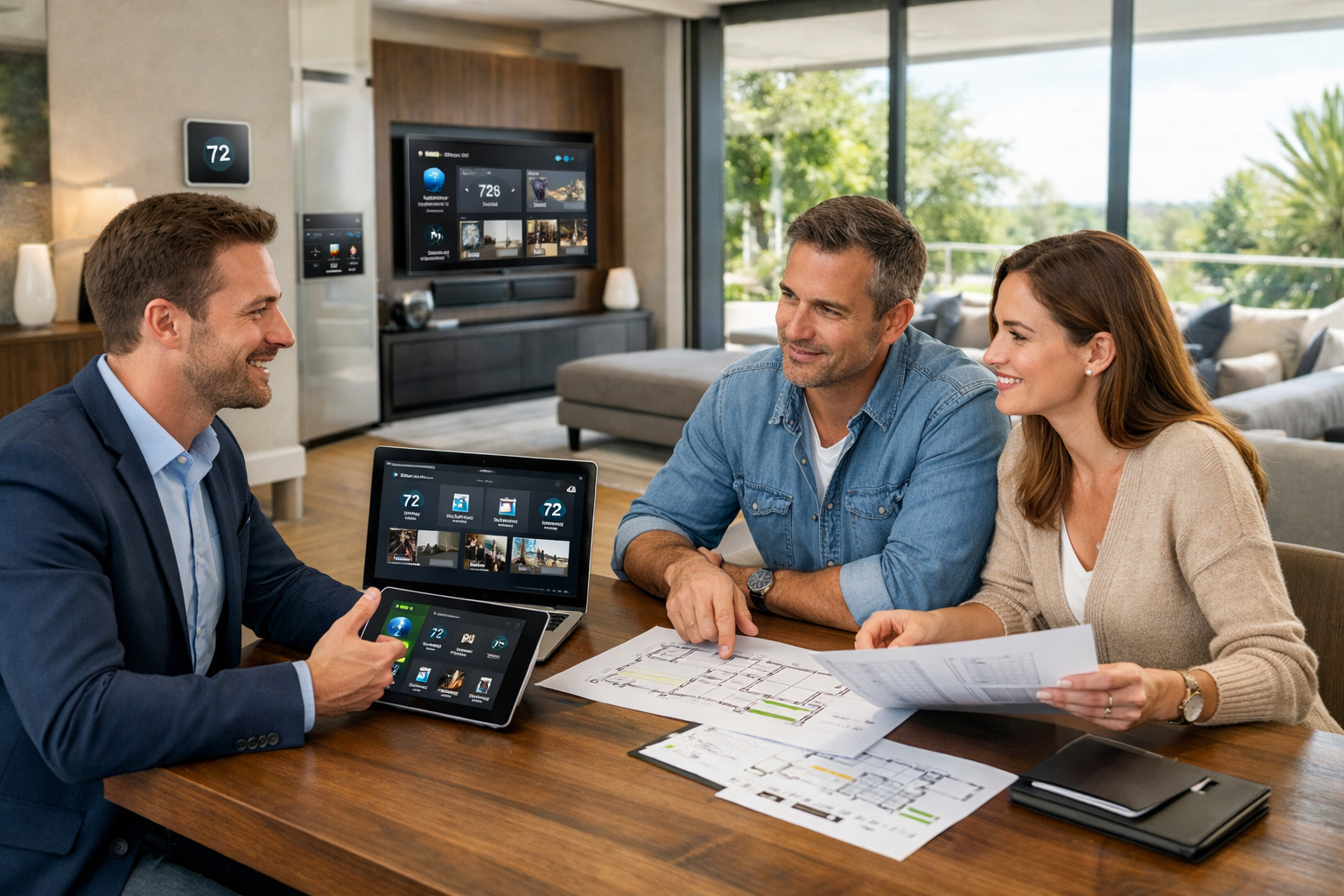
Planning an audio-visual system for a corporate boardroom requires careful thought about the room, equipment, and meeting needs. A good setup helps people communicate clearly, share information, and work together without technical problems. When comparing options from the best av integration companies in dubai, it is important to understand what equipment a boardroom needs and how different devices work together. A well-planned system can make both in-person and online meetings easier.
1. Understand the Purpose of the Boardroom
The first step is to understand how the boardroom will be used. Some companies use their meeting rooms for daily discussions, while others use them for presentations, client meetings, and video conferences.
The number of people who usually attend meetings is also important. A small boardroom may need a simple display and a few microphones. A larger meeting space may require multiple screens, ceiling speakers, and advanced video equipment.
Think about the main activities that take place in the room. This will help you select equipment that meets actual business needs instead of adding devices that may not be used regularly.
2. Choose the Right Display System
A display is one of the main parts of a boardroom AV system. It allows meeting participants to view presentations, reports, videos, and other information.
The screen size should match the room size and the distance between the display and the seating area. Everyone should be able to read the information without moving closer.
For smaller rooms, a large commercial display may be enough. Larger boardrooms may benefit from two screens, allowing participants to view presentation slides and video conference members at the same time.
Before selecting a display, consider screen resolution, brightness, connectivity, and compatibility with laptops and other devices.
3. Plan the Audio System Carefully
Clear sound is necessary for productive meetings. If participants cannot hear each other properly, important information may be missed.
Start by checking the room size, seating arrangement, and number of people who will speak during meetings. These details help determine the number and placement of microphones and speakers.
Different microphone options are available, including table microphones, wireless microphones, and ceiling microphones. The right choice depends on the room layout and meeting style.
Speakers should provide balanced sound throughout the room. Avoid placing them too close to microphones because this can create unwanted noise or echo.
It is also useful to consider an audio processor that can help manage sound levels and improve voice clarity.
4. Include a Reliable Video Conferencing Setup
Many companies now work with employees, clients, and business partners from different locations. For this reason, video conferencing is an important part of modern boardroom planning.
A suitable setup may include a high-quality camera, microphones, speakers, and a display. The camera should capture the people sitting around the meeting table clearly.
For larger rooms, an automatic tracking camera can help follow the person speaking. This can make online meetings feel more natural.
Check whether the selected equipment works with commonly used meeting platforms. Compatibility with different software can reduce connection problems and make meetings easier to manage.
5. Plan Cable Management and Connectivity
A boardroom may have several connected devices, including displays, laptops, cameras, microphones, and control systems. Without proper planning, cables can make the room look untidy and create connection problems.
Plan cable routes before installing furniture and equipment. Where possible, use floor boxes, wall connections, and hidden cable channels to keep wires organised.
Wireless screen sharing can also reduce the need for multiple cables. However, wired connections should still be available when a stable connection is required.
Make sure the system supports common connection options such as HDMI, USB, and network connections. This allows different users to connect their devices without unnecessary delays.
6. Add a Simple AV Control System
A control system allows users to manage different AV devices from one central interface. Instead of operating every device separately, meeting participants can use a touch panel or control interface.
For example, a single command may turn on the display, adjust the room audio, and prepare the video conferencing equipment.
The control system should be easy to understand. Complicated controls can create confusion, especially when different employees use the room.
Consider adding simple functions for screen selection, volume adjustment, lighting, and meeting modes. The goal is to make daily operation easier without adding unnecessary features.
7. Consider Room Lighting and Acoustics
Lighting and room acoustics can affect the performance of an AV system. Bright lights or sunlight directly facing a display can make presentations difficult to view.
Use suitable lighting that provides enough brightness without creating glare on screens. Adjustable lighting can be useful when switching between presentations and video meetings.
Acoustics are equally important. Large glass surfaces, hard walls, and empty spaces can create echoes. Adding acoustic panels, carpets, curtains, and suitable furniture can help reduce unwanted sound reflections.
These improvements can make speech easier to understand and create a more comfortable meeting environment.
8. Set a Realistic Budget and Installation Plan
Before purchasing equipment, prepare a budget that includes hardware, installation, cabling, programming, and future maintenance.
It is better to select equipment based on actual requirements rather than choosing every available feature. A simple system that works reliably can be more useful than an expensive setup with features that employees rarely use.
Installation should also be planned carefully. Check the room dimensions, electrical points, network availability, furniture layout, and equipment compatibility before starting the work.
Testing is an important part of the process. Check audio quality, camera angles, screen sharing, video calls, and control functions before using the room for important meetings.
9. Plan for Future Upgrades and Maintenance
Business needs can change over time. A company may increase its meeting capacity or start using new video conferencing platforms.
Choose equipment that supports future upgrades where possible. Modular systems can make it easier to add microphones, displays, cameras, or other devices without replacing the entire setup.
Regular maintenance is also necessary. Check cables, software updates, microphones, speakers, and display connections. Basic inspections can help identify small problems before they affect important meetings.
When planning a boardroom, understanding the experience of the best av integration companies in dubai can help businesses evaluate equipment options, system compatibility, installation requirements, and long-term maintenance needs.

 English
 Arabic
 French
 Spanish
 Portuguese
 Turkish
 Dutch
 Italiano
 Russian
 Romaian
 Portuguese (Brazil)
 Greek
