


Aviation Safety Technology: ATC Simulation Training Market Landscape
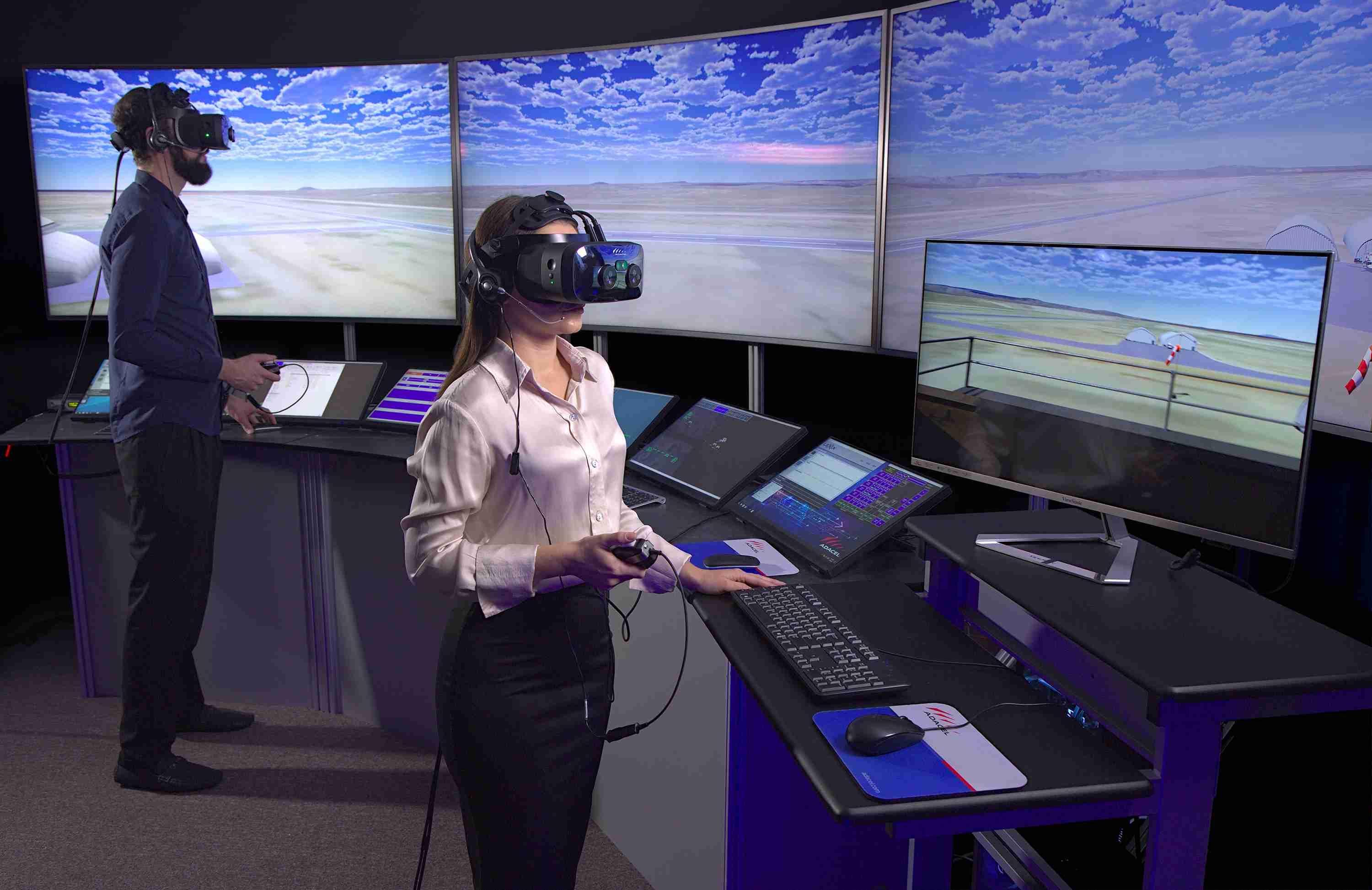
The air traffic control training ecosystem encompasses diverse simulation technologies, service providers, and training delivery models. The air traffic control software companies includes tower simulation systems replicating visual airport environments and ground control operations. En-route simulators provide radar training for airspace sector management and traffic flow optimization. Approach control platforms prepare specialists for terminal area coordination and sequencing operations. Procedural training systems teach non-radar separation techniques for remote and oceanic airspace. Emergency simulation modules create crisis scenarios developing response capabilities and stress management. Computer-based training delivers theoretical knowledge supporting practical simulation exercises. Virtual reality systems create immersive environments enhancing spatial awareness and situational understanding. Instructor operating stations enable scenario control, performance monitoring, and real-time intervention capabilities. Debriefing systems record sessions enabling detailed performance review and competency assessment. Market diversity accommodates varied training requirements across civil aviation authorities, military organizations, and commercial service providers.
Financial forecasts underscore air traffic control simulation's remarkable economic expansion potential. Industry research indicates the ATC simulation and training market will reach USD 318.02 Billion by 2035, advancing at a compound annual growth rate of 15.59% across the forecast period spanning 2025 to 2035, propelled by unmanned aerial vehicle proliferation. This growth reflects both infrastructure investment and technology advancement driving market development. Tower simulation commands significant investment supporting airport-specific training and certification programs. En-route training systems generate substantial revenue serving continental and oceanic airspace management requirements. Approach control simulators contribute meaningful market share addressing complex terminal area coordination. Desktop training devices provide cost-effective solutions for individual skill development and procedure practice. Maintenance services create recurring revenue supporting operational simulation infrastructure. Training delivery services generate fees from instructor-led programs and competency assessments. Software updates produce ongoing income as procedures evolve and airspace changes occur. International expansion multiplies addressable markets as aviation growth globalizes across emerging economies. Revenue distribution reflects technology sophistication, training requirements, and regulatory compliance needs.
Customer segmentation reveals distinct requirement patterns across civil aviation, military, and commercial training organizations. Civil aviation authorities procure comprehensive training centers supporting national controller certification programs. Air navigation service providers invest in operational training facilities maintaining controller proficiency and procedure currency. Military branches deploy tactical simulation systems preparing controllers for defense and combat operations. Airport operators implement tower-specific training addressing local procedures and geographical characteristics. Flight training organizations add ATC simulation providing pilot perspective and coordination understanding. Universities and technical colleges establish training programs developing aviation workforce pipelines. Drone service providers require new training addressing unmanned traffic management and integration challenges. International organizations develop standardized training supporting global controller mobility and competency recognition. Private simulation centers offer commercial training services to multiple customers and organizations. Segment-specific requirements drive specialized simulation development and training program customization.
Competitive dynamics feature established defense contractors, specialized simulation companies, and technology providers. Aerospace and defense corporations leverage extensive engineering capabilities and government relationships. Specialized ATC simulation companies focus exclusively on air traffic management training solutions. Technology vendors provide underlying platforms including graphics engines and networking infrastructure. Training service providers operate simulation centers delivering instructor-led programs. Software developers create scenario authoring tools and exercise management applications. Hardware manufacturers supply visual systems, audio equipment, and control interfaces. System integrators combine components creating turnkey training facilities and solutions. Maintenance providers support operational systems through technical assistance and component replacement. Academic partnerships develop training curricula and competency standards. Market competition balances between comprehensive solution providers and specialized component suppliers across different market segments.
Explore Our Latest Trending Reports:

 English
 Arabic
 French
 Spanish
 Portuguese
 Deutsch
 Turkish
 Dutch
 Russian
 Romaian
 Portuguese (Brazil)
 Greek
