


Exploring Factory Operations Behind Industrial Ball Valve Production
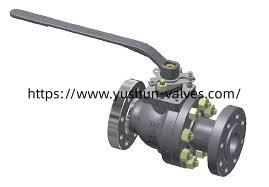
The reliability of an industrial valve is influenced by much more than its finished appearance, because every stage of manufacturing contributes to the quality of the final assembly. When evaluating a Ball Valve Manufacturer Factory, buyers should look beyond the product catalogue and understand how the facility organizes production, manages components, coordinates different processes, and checks finished products. These manufacturing details can affect delivery consistency, product compatibility, and the overall experience of working with a valve producer.
A well-organized factory begins with production planning. Before manufacturing starts, technical requirements need to be reviewed and translated into clear production instructions. This process helps different departments understand the intended product structure, material requirements, connection arrangements, and customer expectations. Effective planning also allows the factory to coordinate raw material preparation, machining schedules, component availability, and assembly work. When these activities are connected, production teams can reduce avoidable interruptions and respond more effectively to changes in customer orders.
Raw material management is another important part of factory operations. Materials must be identified, inspected, and assigned to suitable production tasks before processing. A consistent identification system helps prevent components from being mixed during manufacturing, particularly when a facility handles different valve designs and customer requirements. Material records also make it easier to trace the origin of important components when questions arise during inspection or after delivery. For buyers, this type of management demonstrates that quality control begins before a valve reaches the machining area.
Machining transforms prepared materials into functional valve components. The process requires coordination between equipment, operators, production drawings, and inspection procedures. CNC machining can support repeatable processing by following programmed instructions, while skilled operators remain important for equipment setup, process monitoring, and recognizing unusual production conditions. The objective is not simply to produce individual parts, but to ensure that each component can be assembled correctly with its related parts. Consistent machining contributes to smoother assembly and helps reduce problems caused by poor fit or irregular surfaces.
Component inspection should take place throughout production rather than being postponed until the product is complete. After machining, relevant parts can be checked for surface condition, dimensional conformity, and other requirements established for the product. If an issue is discovered early, the factory can investigate its cause before additional work is performed. This approach can reduce unnecessary reprocessing and help production teams maintain more stable workflows. Inspection records also provide useful information for reviewing recurring problems and improving manufacturing practices.
Assembly brings the different production activities together. Workers need to follow an appropriate sequence when fitting the ball, seats, stem, body, and operating components. Clean working conditions and careful handling are important because contamination or surface damage may affect the interaction between internal parts. Assembly teams also need access to suitable tools and clear work instructions. A consistent assembly method helps reduce differences between products and makes it easier to investigate an issue if a valve does not meet the expected inspection result.
Testing provides another opportunity to verify product quality before shipment. Depending on the product design and applicable requirements, factory inspections may include pressure testing, sealing checks, and operational assessments. These procedures help identify problems that may not be visible during an external visual inspection. Testing equipment must also be maintained and used according to established procedures so that the results remain meaningful. Buyers can ask manufacturers how testing is organized, how inspection records are maintained, and how nonconforming products are handled.
Factory coordination also affects the customer's purchasing experience. Clear communication between sales, engineering, production, and quality departments helps ensure that customer requirements are understood before manufacturing begins. This becomes particularly important for customized orders, where connection arrangements, operating methods, material choices, or other design details may differ from standard products. A manufacturer that can coordinate technical discussions with production planning is better positioned to clarify practical limitations and reduce misunderstandings during order execution.
For international buyers, packaging and shipment preparation are part of the manufacturing service rather than minor tasks after production. Valves may pass through several handling and transportation stages before reaching the installation site. Suitable protective packaging can help reduce the risk of surface damage, contamination, or impact during storage and transit. Product identification and organized documentation also make receiving inspections and warehouse management easier. Buyers should discuss packaging expectations early, especially when products are being shipped as part of a larger industrial project.
The factory environment itself can provide useful insight into production management. Organized work areas, clearly identified materials, maintained equipment, and accessible inspection stations help employees complete their tasks with fewer unnecessary movements. Practical workplace arrangements also support communication between production teams and make it easier to identify workflow problems. These details may not appear in a product brochure, but they contribute to the consistency and coordination expected from an industrial manufacturing facility.
Zhejiang Yushun Valve Co., Ltd. focuses on industrial fluid control and develops ball valve products for applications across petrochemical processing, energy, environmental protection, and water treatment. Its manufacturing approach includes production control, material screening, machining, and product testing, while its product range covers different industrial ball valve designs and customized solutions. Buyers who want to understand its manufacturing capabilities and explore suitable products can visit the company's product page: https://www.yushun-valves.com/product

 English
 Arabic
 French
 Spanish
 Portuguese
 Deutsch
 Turkish
 Dutch
 Russian
 Romaian
 Portuguese (Brazil)
 Greek
