


What Blood Work Is Included in an Immigration Medical Exam? How to Prepare and Avoid Delays
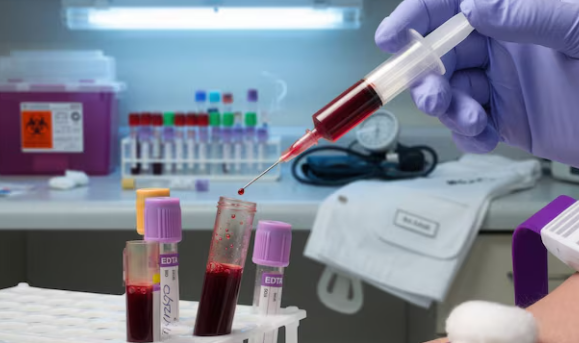
Preparing for an immigration medical examination can feel overwhelming, particularly when applicants are unsure about the laboratory tests involved. Understanding What Blood Work Is Included helps applicants know what to expect, organize their medical records, and avoid unnecessary confusion before the appointment. The required tests depend on current immigration medical guidelines, age, and individual health circumstances.
Understand Which Blood Tests May Be Required
For applicants completing a U.S. immigration medical examination, certain laboratory screenings may be required. Tuberculosis screening through an interferon-gamma release assay (IGRA) is generally required for applicants aged two years and older. This blood test checks for an immune response associated with tuberculosis infection.
Syphilis screening is also required for certain age groups under applicable guidelines. It is not automatically required for every applicant, so the physician determines which tests apply.
When learning What Blood Work Is Included, remember that routine immigration screening is different from a comprehensive health checkup. Tests such as cholesterol, thyroid function, and blood glucose are not universal requirements for every applicant.
Gather Your Medical Documents Before the Appointment
Missing records can create avoidable delays. Before visiting the medical office, collect relevant documents, including:
-
Government-issued identification and immigration paperwork.
-
Previous vaccination records.
-
Medical reports related to ongoing or past conditions.
-
A list of current medications.
-
Previous tuberculosis screening or treatment records, if applicable.
Having these documents available helps the physician review your medical history and determine the appropriate examination steps. It can also reduce the need to search for records after the appointment.
Understanding What Blood Work Is Included beforehand allows applicants to ask more specific questions about their testing requirements.
Confirm Whether You Need to Fast
Many applicants worry that they must avoid food before an immigration medical blood test. However, fasting is generally not necessary for routine tuberculosis or syphilis screening.
If the physician recommends additional laboratory tests for a separate medical reason, preparation requirements may differ. For example, some tests may require fasting depending on the specific investigation and laboratory instructions.
Before your appointment, ask the medical office whether any special preparation is necessary. This simple step can prevent repeat visits caused by incomplete preparation.
Follow Age-Based Testing Requirements
Age can influence What Blood Work Is Included in an immigration medical examination. Tuberculosis screening generally applies to applicants aged two years and older, while syphilis testing follows specific age-based requirements.
Some other screenings may also depend on age and clinical circumstances. For example, gonorrhea screening under U.S. civil surgeon guidelines generally applies to applicants aged 18–24 and is typically performed using a urine or swab sample rather than blood.
Applicants should not assume that every person in a family will undergo identical tests. The examining physician follows the requirements relevant to each individual.
Respond Promptly if Additional Testing Is Needed
Sometimes an initial screening result requires further evaluation. A positive tuberculosis screening test, for example, may lead to additional assessment, including a chest X-ray when indicated under the applicable guidelines.
Additional investigations do not automatically mean an applicant will be denied immigration benefits. The physician reviews the findings and determines the appropriate next steps.
Knowing What Blood Work Is Included can help applicants understand why follow-up testing may be recommended. If the medical office requests additional documents or examinations, respond promptly and follow the instructions carefully.
Avoid Common Appointment Delays
A few practical steps can make the process more organized:
-
Schedule the examination early enough to allow time for laboratory processing and any required follow-up.
-
Bring complete vaccination and medical records.
-
Provide accurate information about medications and previous medical conditions.
-
Confirm the required identification and immigration documents.
-
Follow the medical office's instructions about laboratory tests and additional appointments.
Applicants should also check current immigration filing instructions to understand how and when their completed medical examination documentation must be submitted.
Conclusion
Preparing for an immigration medical examination becomes easier when applicants understand the testing process and organize their records in advance. Knowing What Blood Work Is Included helps clarify which screenings may apply, why additional tests could be recommended, and how to avoid common preparation mistakes. Confirm your individual requirements with the examining physician and follow current immigration instructions to help keep the process on track.
FAQs
1. Can I take my regular medication before an immigration medical blood test?
Many applicants can continue their usual medications, but you should disclose all medications and follow any specific instructions provided by the examining physician.
2. How long does it take to receive immigration medical blood test results?
Processing times vary by laboratory and test type. Ask the medical office when results are expected and whether additional evaluation could affect the timeline.
3. Does a positive tuberculosis blood test automatically prevent immigration approval?
No. A positive result generally requires further medical evaluation. The physician determines the appropriate next steps according to applicable guidelines.
4. Can I complete my immigration medical examination without vaccination records?
You should bring available vaccination records. If records are missing, the physician can explain the options for reviewing your vaccination history and meeting applicable requirements.

 English
 Arabic
 French
 Spanish
 Portuguese
 Deutsch
 Turkish
 Dutch
 Italiano
 Russian
 Romaian
 Portuguese (Brazil)
