


HDPE Pond Liner: A Reliable Solution for Water Conservation and Pond Protection
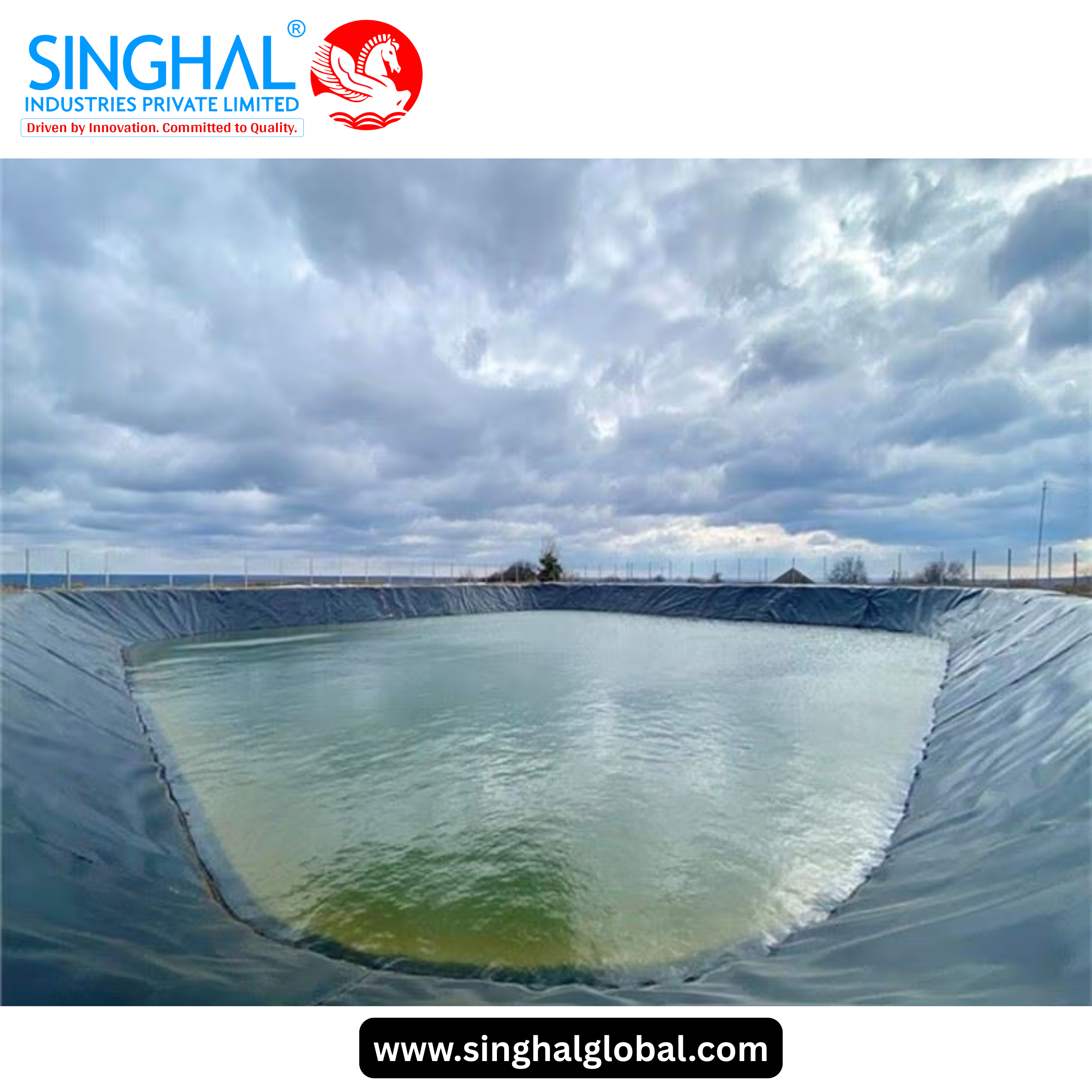
Water conservation has become an essential part of every type of modern agricultural practice; whether it be through irrigation systems, aquaculture, landscaping design, or even industrial water use. Regardless of the function of the pond. one of the major concerns is maintaining a consistent water level. Utilizing natural soil as the lining material can result in significant losses of water through underground seepage. These losses would then necessitate additional time and resource expenditures to maintain the proper water level. Utilizing an HDPE Pond Liner will allow you to develop a barrier that is impermeable to both the stored water and the surrounding soil. HDPE Pond Liners are manufactured using high-density polyethylene. The utilization of this material provides the HDPE Pond Liner with the properties of being highly durable, flexible, and resistant to environmental influences.
What Makes HDPE Pond Liner a Dependable Material?
The HDPE Pond Liner is now a popular choice for use in water storage systems as a result of its long life span and durability. HDPE Pond Liners are manufactured to withstand the effects of environmental influences such as UV radiation, moisture, chemical reactions, etc., which may result in premature failure of other types of pond liners. HDPE Pond Liners also feature low permeability; therefore, reducing the amount of water lost. HDPE Pond Liners have a very high strength rating, making it possible to install in numerous types of locations such as agricultural reservoirs, industrial ponds, fish farms, and artificial lakes. In addition, HDPE Pond Liners have a smooth surface, providing a simpler method of cleaning and maintaining compared to most other pond lining products available.
Applications Across Agriculture, Aquaculture, and Industries
HDPE pond liners are used in a variety of different ways outside of just containing water. Farmers can install HDPE liners in their irrigation reservoirs, farm ponds, and rain water collection systems to help maintain adequate amounts of water for their crops during periods of extreme dryness. Aquaculture producers who properly install HDPE pond liners can produce fish and/or shrimp within a controlled environment while minimizing their exposure to potentially harmful soil conditions. Industrial applications may include lining containment areas for process water, waste water management, or any other application requiring a controlled liquid environment. HDPE pond liners are also flexible enough to be applied to create garden ponds, fountains, and other decorative water features.
Benefits of Choosing HDPE for Long-Term Water Storage
There are many advantages to using high-density polyethylene (HDPE) pond liners; however, one of the most significant advantages is the reduced amount of water lost through leakage, therefore increasing the amount of time that you can retain water. This can be beneficial in locations where weather patterns are variable, or in areas where water shortages occur regularly. In addition to being resistant to damage caused by exposure to sunlight and other forms of weathering, HDPE pond liners are capable of withstanding the elements while functioning effectively outside for extended periods. Furthermore, due to their strength and resilience, HDPE pond liners tend to last longer than other types of liners and consequently require less frequent replacement. Additionally, HDPE pond liners come in a variety of thicknesses which allows you to select the appropriate liner depending on the depth of your pond, the type of soil you have, and your total project requirements.
Installation Practices That Improve Liner Performance
In addition to the quality of materials that are used to produce a high-density polyethylene (HDPE) pond liner, the quality of a pond liner's installation is also a significant factor in determining the overall quality of the pond liner. Before beginning to install the pond liner, you will need to excavate the site where the pond will be located, shape the excavated site as desired for the pond, and remove all rocks, roots, debris, etc., that might cause damage to the liner. You may also choose to install a protective layer beneath the liner if there are factors in the environment that could damage the liner. This process requires both specialized equipment and experienced personnel to achieve a quality seal. Finally, by securing the perimeter of the liner and inspecting the entire liner prior to filling the pond with water, you can help prevent future problems associated with installing the liner, and increase the lifespan of the liner.
Selecting the Right HDPE Pond Liner
The quality of your choice of HDPE pond liner manufacturers can greatly affect the outcome of your project. It can also greatly impact how easy it will be to install and use over time. When choosing a quality manufacturer, you should consider the quality of the materials they use to make their liner, the variety of thicknesses available, the manufacturing standards they follow, the level of technical support offered by them, and whether or not they have the ability to create liners in various sizes. You also want to check the product specifications, resistance characteristics and quality testing information of the liner before buying. Additionally, a trustworthy supplier can help you determine which configuration of liner works best for your needs (i.e., agricultural storage, aquaculture, industrial containment, landscaping). While price is certainly a factor in making purchasing decisions, you shouldn't base your decision solely on the cost of the product.
Maintenance, Environmental Considerations, and Product Longevity
Although the HDPE pond liner is designed to endure, regular inspections of the liner are necessary to maintain its optimal functionality. Homeowners who have ponds should perform routine examinations on the exposed edges of the liner, on the joints where the liner sections meet each other, on the surrounding soil around the liner and on any other area of the liner that may be subject to damage caused by equipment or human traffic across the liner. Additionally, damage to the liner may occur due to vegetation growing on the liner, movement of the earth, animal activity or neglect in caring for the liner. If you discover issues with the liner, it is imperative to address these issues immediately. Proper installation of the liner and proper maintenance of the liner will allow you to reduce water loss from your pond and optimize your utilization of resources.
Conclusion
The HDPE Pond Liner Exporter provide a cost-effective method to expand water storage capacity; minimize the amount of water lost as a result of leaks; and safeguard the structural integrity of ponds utilized in commercial, agricultural and recreational settings. Because of their extended life span, ability to withstand harsh weather conditions, and flexibility, these liners are a viable alternative to other alternatives when the dependability of water containment is essential. To maximize the benefits provided by the product, it is necessary to select the appropriate thickness of liner; prepare the area where the liner will be installed prior to placing the liner; and employ a experienced installer who has prior knowledge of installing this specific form of material. Additionally, consulting with a reputable manufacturer can assist purchasers in making educated choices about what type of liner would best suit their individual requirements.
Frequently Asked Questions
- What is an HDPE Pond Liner used for?
An HDPE pond liner has multiple uses and is suitable for various applications such as, but not limited to; agricultural water storage, irrigation pond, aquaculture operation, man-made lake, and various industrial containment areas. - How do I select the correct thickness for an HDPE pond liner?
If you need help identifying which specifications are required for your project, please contact a certified manufacturer of the product, or an engineer. - Is an HDPE Pond Liner suitable for fish farming?
When applying the materials, you should be careful not to allow anything that has a sharp edge or point to touch the materials. In addition, you should make sure that the edges of your materials are straight to ensure that nothing gets damaged. - How long can an HDPE Pond Liner last?
To see if a product can fulfill your requirements for a specific use case, it is important to check the product documentation along with what the manufacturer states about how it should be used. - Who is the largest exporter of HDPE Pond Liner?
Singhal Industries Private Limited is a leading exporter of HDPE Pond Liners, although there are other major exporters around the world that may be larger than Singhal.

 English
 Arabic
 French
 Spanish
 Portuguese
 Deutsch
 Turkish
 Dutch
 Russian
 Romaian
 Portuguese (Brazil)
 Greek
