


Bangkok Tailors: Understanding the Difference Between Bespoke and Made-to-Measure Suits
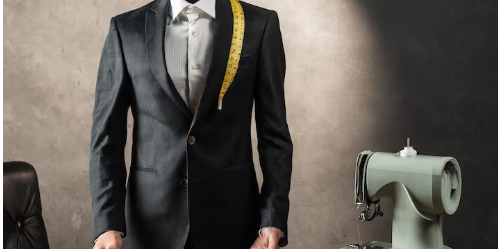
When looking for a custom suit, customers may come across terms such as bespoke and made-to-measure. Although both approaches offer alternatives to standard ready-made clothing, they differ in how garments are designed, measured, and constructed.
Understanding these differences can help customers choose suitable services when researching Bangkok tailors. The right option depends on personal preferences, budget, expected completion time, and the level of customisation required.
What Is a Made-to-Measure Suit?
Made-to-measure tailoring generally begins with an existing garment pattern or base design. The tailor takes individual measurements and adjusts the pattern to create a better fit for the customer.
Customers may also have options to select fabrics, colours, lapels, buttons, and other design details. However, the level of customisation depends on the tailoring service.
This approach can be suitable for people who want personalised measurements and selected design choices without requiring a completely individual pattern.
Understanding Bespoke Suit Construction
Bespoke tailoring generally involves creating a pattern specifically for an individual customer. The process may include detailed measurements, discussions about posture and proportions, and several fittings.
Because the pattern is developed around the customer's requirements, bespoke tailoring can offer greater control over garment structure and design.
However, the exact process varies between providers. Customers should ask about pattern development, construction methods, fitting stages, and the extent of customisation available.
Comparing Fit and Personalisation
Both approaches aim to provide clothing that suits individual measurements, but their methods can differ.
Made-to-measure services usually modify an existing pattern, while bespoke tailoring typically develops a new pattern. This distinction may influence the fitting process and available design options.
When comparing Bangkok tailors, ask how each service handles shoulder shape, jacket balance, sleeve positioning, and other fit considerations. Clear answers can help you understand what is included.
Considering Fabric and Design Options
Fabric selection remains important regardless of the tailoring method. Wool, cotton, linen, and blended materials offer different levels of structure, breathability, and maintenance requirements.
Customers should also consider how the suit will be used. A business suit may require a versatile design, while a wedding suit could include more individual styling details.
Discuss available materials and construction choices before confirming an order.
Which Option Should You Choose?
There is no single solution that suits everyone. Made-to-measure may work well for customers who want selected adjustments to an existing design. Bespoke tailoring may appeal to those seeking a more individually developed garment and a detailed fitting process.
Before choosing among Bangkok tailors, compare the services offered rather than relying on terminology alone. Louis Collections is one option to consider when researching personalised suit-making and custom clothing in Bangkok.

 English
 Arabic
 French
 Spanish
 Portuguese
 Deutsch
 Turkish
 Dutch
 Russian
 Romaian
 Portuguese (Brazil)
 Greek
