


How to Select Industrial Tumble Dryers for Commercial Laundries
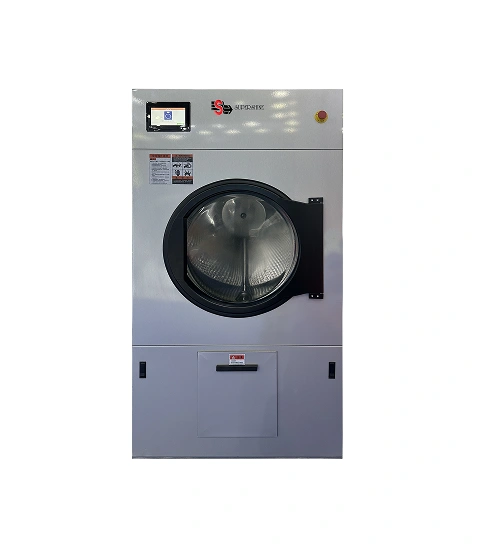
Efficient laundry operations depend on more than washing equipment. Drying is equally important, particularly for businesses that process large quantities of towels, bedsheets, uniforms and other textiles every day. Hotels, hospitals, resorts, educational institutions and commercial laundries in Nepal need reliable equipment to maintain consistent laundry schedules. Choosing suitable industrial tumble dryers can help businesses manage drying requirements, improve workflow organisation and reduce delays between washing and finishing.
Nepal's hospitality and institutional sectors have different laundry requirements depending on their size, location and daily operations. Hotels in Kathmandu, Pokhara and other tourism destinations may experience changing laundry volumes during busy travel periods. Healthcare facilities and commercial laundries also require dependable textile processing throughout the year. Supershine Laundry provides commercial and industrial laundry equipment solutions designed for professional laundry applications. Understanding dryer capacity, heating systems and installation requirements can help businesses make informed purchasing decisions.
What Are Industrial Tumble Dryers?
Industrial tumble dryers are heavy-duty drying machines designed to process larger textile loads than conventional domestic dryers. They use controlled heat and airflow to remove moisture from washed textiles through a rotating drum.
These machines are commonly used in professional laundry facilities where continuous or repeated drying cycles are necessary.
Depending on the equipment configuration, businesses may find features such as programmable drying cycles, adjustable temperature settings, automatic moisture controls and different heating options.
The appropriate configuration depends on the type of textiles being processed, the required production volume and the available utilities at the facility.
Why Nepal Businesses Need Commercial Drying Equipment
Laundry requirements can vary significantly across Nepal's commercial sectors. A small hotel may process towels and bedsheets in limited batches, while a large hospitality property or commercial laundry may handle substantial daily volumes.
Professional drying equipment can support these operations in several ways:
-
Consistent processing: Helps establish organised drying schedules for different textile categories.
-
Better space utilisation: Provides an alternative to depending entirely on outdoor drying areas.
-
Operational planning: Supports predictable laundry workflows during busy periods.
-
Fabric management: Adjustable settings allow operators to select suitable drying conditions.
-
Production capacity: Heavy-duty configurations can accommodate larger laundry requirements.
For facilities operating during monsoon periods, dependable indoor drying arrangements can also be particularly useful when outdoor drying becomes less practical.
Important Features to Consider Before Purchasing
1. Drum Capacity
Capacity should match the actual quantity of dry laundry generated by the facility.
Businesses should consider daily textile volume, peak demand, operating hours and the number of drying cycles available. Selecting a machine that is too small can create processing delays, while excessive capacity may increase unnecessary investment and resource requirements.
2. Heating System
Industrial dryers may use electric, gas or steam-based heating arrangements, depending on the model.
Buyers should compare available energy sources, utility infrastructure, installation costs and ongoing operating expenses. The selected heating system should be compatible with the facility's available resources.
3. Temperature Control
Different textiles require different drying conditions. Cotton towels, bedsheets, uniforms and delicate fabrics should not automatically be processed using identical temperature settings.
Programmable controls and adjustable temperatures help operators select appropriate cycles for different loads.
4. Moisture Control
Moisture sensing can help determine when textiles have reached the selected drying level. This may reduce unnecessary drying time and support more consistent processing.
Businesses should check whether the selected model offers automatic moisture detection or requires manual cycle management.
5. Airflow and Ventilation
Effective airflow is essential for removing moisture during drying. Buyers should review exhaust arrangements, ventilation requirements and the installation environment before purchasing.
Properly designed ventilation also helps maintain suitable operating conditions around the equipment.
Applications Across Different Industries in Nepal
Hotels and Resorts
Hotels process towels, bedsheets, pillowcases, bathrobes and housekeeping textiles regularly. In destinations such as Kathmandu, Pokhara and Chitwan, suitable drying capacity can help hospitality businesses manage changing occupancy levels and laundry demand.
Hospitals and Healthcare Facilities
Healthcare facilities process approved patient clothing, uniforms, bedding and other institutional textiles. Equipment should be selected according to the facility's textile-handling procedures and approved laundry protocols.
Commercial Laundry Businesses
Professional laundry operators serving hotels, restaurants, accommodation facilities and other customers need equipment that can handle different textile categories and production schedules.
Educational Institutions
Schools, hostels and residential educational facilities may process bedding, uniforms, towels and other washable materials. Suitable drying equipment can support regular laundry operations without depending entirely on weather conditions.
How to Calculate the Required Dryer Capacity
Before investing in industrial tumble dryers, businesses should evaluate their daily laundry requirements.
For example, a facility processing 300 kg of dry textiles per day should consider:
-
Average daily laundry generation.
-
Expected peak-season volume.
-
Available operating hours.
-
Number of drying cycles.
-
Average cycle duration.
-
Loading and unloading time.
-
Space for equipment and textile movement.
The final capacity should be established through an equipment assessment rather than relying on advertised machine capacity alone.
Installation and Maintenance Considerations
Nepal businesses should evaluate the installation environment before selecting industrial drying equipment. Floor space, electrical supply, heating arrangements, ventilation and exhaust requirements all influence equipment suitability.
Facilities in areas with limited infrastructure should confirm utility compatibility before placing an equipment order.
Regular maintenance should include:
-
Cleaning lint filters according to operating requirements.
-
Inspecting exhaust ducts and airflow pathways.
-
Checking temperature controls.
-
Examining drum components and drive systems.
-
Following the manufacturer's recommended service schedule.
-
Training operators in safe equipment use.
Why Consider Supershine Laundry?
Selecting commercial laundry equipment requires careful evaluation of production requirements, equipment specifications and long-term operational needs.
Supershine Laundry offers commercial and industrial laundry equipment solutions for hospitality, healthcare and institutional applications. Businesses planning a new laundry facility or upgrading an existing setup can evaluate their processing volumes, available utilities and future expansion requirements before finalising a dryer configuration.
Frequently Asked Questions
1. What are industrial tumble dryers used for?
They are used to dry large quantities of textiles in hotels, hospitals, commercial laundries and institutional facilities.
2. How do I select the right dryer capacity?
Consider daily dry laundry volume, peak demand, cycle duration, operating hours and the number of machines required.
3. Are industrial dryers suitable for hotels in Nepal?
Yes. They can support hotel laundry operations involving towels, bedsheets, uniforms and housekeeping textiles.
4. Which heating system is suitable for a commercial dryer?
Electric, gas or steam-based options may be available. The appropriate choice depends on utility availability, equipment specifications and operating costs.
5. How can dryer efficiency be maintained?
Regular filter cleaning, suitable loading practices, proper ventilation and preventive maintenance help maintain equipment performance.
Conclusion
Choosing suitable drying equipment is an important step in developing a productive commercial laundry facility. Capacity, heating arrangements, temperature control, airflow and maintenance requirements should all be considered before purchasing. Well-planned industrial tumble dryers can help Nepal businesses organise textile processing and manage demanding laundry schedules. Supershine Laundry provides commercial laundry equipment solutions for businesses evaluating their long-term laundry infrastructure requirements.

 English
 Arabic
 French
 Spanish
 Portuguese
 Deutsch
 Turkish
 Dutch
 Italiano
 Russian
 Romaian
 Greek