


What Factors Affect Lower Body Lift Surgery Results
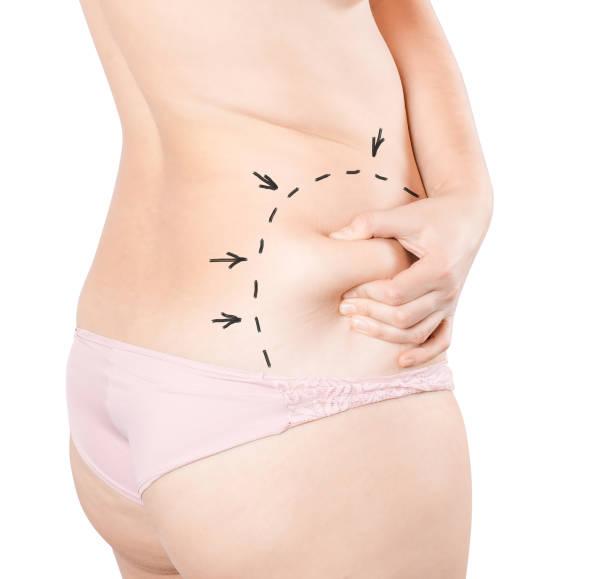
Achieving a firmer, smoother, and more balanced lower body appearance is an important goal for individuals experiencing excess skin and changes in body contours. Significant weight fluctuations, ageing, and reduced skin elasticity can contribute to loose skin around the abdomen, hips, buttocks, and thighs. A lower body lift is a surgical procedure designed to remove excess skin and improve the overall shape of these areas. Understanding the factors that influence Lower Body Lift in Abu Dhabi results can help individuals develop realistic expectations and make informed decisions about their body contouring goals. From skin quality and body weight to surgical techniques and recovery habits, several elements contribute to the final appearance and long-term outcome of the procedure.
How Does Skin Elasticity Affect Lower Body Lift Results?
Skin elasticity is one of the most important factors influencing lower body lift surgery results. Healthy, elastic skin has a greater ability to adapt to changes in body shape, while skin that has lost its natural firmness may not respond in the same way. Significant weight loss can stretch the skin beyond its natural ability to retract, leaving excess tissue around the waist, hips, buttocks, and thighs.
During a lower body lift, excess skin is removed, and the remaining tissue is repositioned to create smoother contours. However, the existing skin quality can influence how the treated areas settle after surgery. Individuals with better skin elasticity may experience more refined contours, while reduced elasticity can affect the overall appearance of the results.
Why Is Maintaining a Stable Body Weight Important?
Body weight stability plays a significant role in determining the long-term success of lower body lift surgery. The procedure is generally intended for individuals who have reached a relatively stable weight and are experiencing excess skin that does not improve sufficiently with natural body changes.
Significant weight fluctuations after surgery can affect the treated areas. Additional weight gain may stretch the remaining skin, while substantial weight loss can create new loose skin in different areas. These changes may influence the smoothness and definition achieved through surgery.
Maintaining a consistent body weight helps preserve the improved contours and supports longer-lasting results. Individuals considering the procedure should discuss their weight history and future body goals during their surgical assessment.
How Does Age Influence Lower Body Lift Surgery Outcomes?
Age can influence the appearance and recovery of the skin following a lower body lift. As people grow older, the natural production of collagen and elastin gradually decreases. These structural proteins help maintain skin firmness, flexibility, and support.
Reduced collagen and elastin levels can make the skin less resilient, which may influence how it adapts after excess tissue is removed. Younger individuals may have better natural skin elasticity, although age alone does not determine whether someone can achieve satisfactory results.
Other factors, including general physical condition, skin quality, and body composition, are equally important. A personalized evaluation helps determine how these characteristics may influence the expected surgical outcome.
Does the Amount of Excess Skin Affect the Final Results?
The amount and distribution of excess skin can significantly influence lower body lift surgery results. Some individuals experience loose skin mainly around the waist and lower abdomen, while others have more extensive sagging involving the hips, buttocks, and thighs.
The procedure is designed to address these concerns by removing excess tissue and improving the overall lower body silhouette. However, the extent of correction depends on the amount of skin that can be safely removed and the natural characteristics of the remaining tissue.
Individuals with extensive skin laxity may require a more comprehensive surgical approach than those with mild or moderate concerns. The treatment plan is developed according to the areas requiring improvement and the desired body proportions.
How Does Surgical Technique Influence Lower Body Lift Results?
The surgical technique selected for a lower body lift can have a considerable impact on the final appearance. Different approaches are used depending on the location of excess skin, the degree of tissue laxity, and the individual's body structure.
A lower body lift commonly focuses on improving the appearance of the abdomen, waist, hips, buttocks, and outer thighs. The procedure involves removing excess skin and tightening the surrounding tissues to create a more balanced silhouette.
Careful planning is important because the lower body consists of interconnected areas. Improving one region can influence the appearance of nearby areas. A suitable surgical approach considers the relationship between these body regions to achieve proportionate and natural-looking contours.
Why Is Overall Health Important Before Surgery?
An individual's overall health can influence the surgical process and the quality of recovery. Good general health provides a better foundation for the body to respond to surgery and repair treated tissues.
Existing health concerns, nutritional deficiencies, and certain lifestyle factors may affect the body's ability to recover. A thorough preoperative assessment helps identify individual considerations and determine whether the procedure is appropriate.
Maintaining suitable nutritional habits and following medical instructions are important aspects of preparing for surgery. These measures support the body's natural healing processes and contribute to a more organized recovery experience.
How Does the Recovery Process Affect Surgical Results?
Recovery is an essential part of achieving the intended outcome of lower body lift surgery. Although the procedure creates changes to the body's contours during surgery, the final appearance develops gradually as swelling decreases and the tissues settle.
Following postoperative instructions helps support the healing process. Individuals are generally advised to allow sufficient time for recovery, avoid activities that place unnecessary pressure on the treated areas, and attend recommended follow-up appointments.
The body needs time to adjust to the changes made during surgery. Returning to normal activities too quickly may interfere with the recovery process. Patience and appropriate aftercare are therefore important for achieving the desired contouring outcome.
Can Lifestyle Habits Influence Long-Term Lower Body Lift Results?
Lifestyle habits can have an important influence on how long lower body lift results are maintained. Regular physical activity, balanced nutrition, and consistent weight management help support overall body composition.
Although surgery removes excess skin, it does not prevent future changes associated with ageing or fluctuations in body weight. Maintaining healthy routines can help preserve the improved shape of the abdomen, waist, hips, and thighs.
Individuals should also understand that the procedure is designed to improve body contours rather than replace long-term lifestyle management. Consistent habits help support the appearance achieved through surgery and contribute to overall physical well-being.
How Do Realistic Expectations Affect Satisfaction With Results?
Having realistic expectations is essential when considering lower body lift surgery. Every individual has a different body structure, skin condition, and distribution of excess tissue. These characteristics influence the amount of improvement that can reasonably be achieved.
The procedure can significantly improve loose skin and create smoother lower body contours, but it cannot guarantee identical results for everyone. Factors such as natural anatomy, healing patterns, and existing skin quality contribute to individual outcomes.
Understanding the limitations and potential benefits of surgery helps individuals develop a clearer picture of the expected transformation. Open communication during the consultation process also supports informed decisions and greater satisfaction with the overall experience.
Final Thoughts
Lower body lift surgery results depend on several interconnected factors, including skin elasticity, body weight stability, age, overall health, surgical technique, and recovery habits. The amount of excess skin and individual body proportions also influence the final appearance. While the procedure can help create firmer, smoother, and more balanced lower body contours, maintaining the results requires realistic expectations and consistent lifestyle habits. Understanding these factors allows individuals to make informed decisions and approach lower body lift surgery with a clearer understanding of the process and its potential outcomes.
FAQs
What is the most important factor affecting lower body lift results?
Skin elasticity, body weight stability, overall health, and individual anatomy all play important roles in determining surgical results.
Does weight gain affect lower body lift surgery results?
Yes, significant weight gain can stretch the remaining skin and change the body contours achieved through surgery.
How does age influence lower body lift outcomes?
Age can affect skin elasticity and collagen production, which may influence how the skin adapts after surgery.
Can lower body lift surgery provide long-lasting results?
Yes, results can be long-lasting, particularly when individuals maintain a stable weight and follow appropriate lifestyle habits.
Does recovery affect the final appearance of a lower body lift?
Yes, following postoperative instructions and allowing sufficient healing time help support the final surgical outcome.

 English
 Arabic
 French
 Spanish
 Portuguese
 Deutsch
 Turkish
 Italiano
 Russian
 Romaian
 Portuguese (Brazil)
 Greek
