


How to Find the Right Physiotherapy Professional for Your Recovery
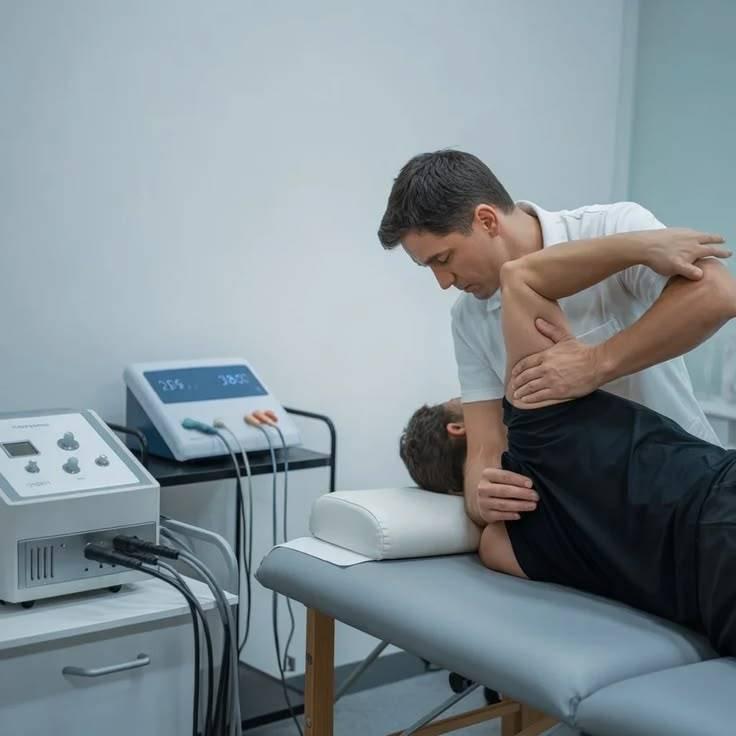
Choosing a suitable physiotherapist is an important decision when dealing with pain, injury, reduced mobility, or recovery after surgery. People searching for the best physio near me often want a professional who is convenient to reach and capable of addressing their specific rehabilitation needs. However, choosing the right provider should involve more than location or online ratings. Qualifications, relevant experience, treatment methods, communication, and personalized care should all be considered before beginning physiotherapy.
Why the Right Physiotherapist Matters
Physiotherapy is designed to help people improve movement, physical function, strength, flexibility, balance, and mobility. Depending on the condition, treatment may be useful during recovery from injuries, surgery, sports problems, neurological conditions, or certain long-term physical limitations.
The rehabilitation process usually begins with an assessment. The physiotherapist may evaluate movement, muscle strength, joint mobility, flexibility, balance, posture, and functional ability before developing a treatment plan.
Selecting a professional with experience relevant to the patient's condition can make the rehabilitation process more structured and practical.
Look Beyond Location
A nearby clinic is convenient, especially when treatment requires regular appointments. However, proximity should not be the only factor used to choose a physiotherapy provider.
Patients should also consider:
-
Professional qualifications
-
Relevant clinical experience
-
Areas of specialization
-
Assessment methods
-
Treatment approach
-
Communication
-
Clinic accessibility
-
Home-visit availability
-
Patient reviews and reputation
A professional who is slightly farther away but has experience with the patient's specific condition may be a more suitable choice than a closer clinic without the relevant specialization.
Check the Physiotherapist's Expertise
Physiotherapy includes several specialized areas. Patients should try to identify professionals who have experience with their particular condition.
Orthopaedic Rehabilitation
Orthopaedic physiotherapy commonly addresses problems involving muscles, joints, bones, ligaments, and movement. It may be useful during rehabilitation for back and neck problems, joint injuries, arthritis, fractures, or recovery after certain surgeries.
Sports Rehabilitation
Athletes and active individuals may require rehabilitation focused on restoring strength, flexibility, coordination, movement control, and physical performance. Sports-focused physiotherapy may also involve a gradual return-to-activity program.
Neurological Rehabilitation
Neurological physiotherapy addresses movement and functional limitations associated with neurological conditions. Rehabilitation may include balance training, gait practice, coordination exercises, strengthening, and functional movement.
Thane-based providers such as NeuroFit publicly describe neurological rehabilitation services for conditions including stroke, Parkinson's disease, spinal cord injuries, and other neurological disorders. (neurofitphysiorehab.com)
Start With a Detailed Assessment
A good rehabilitation plan should be based on an understanding of the patient's condition. During an initial assessment, the physiotherapist may ask about symptoms, previous injuries, medical history, daily activities, and treatment goals.
The physical assessment can then examine relevant movement patterns and limitations.
For example, two people experiencing shoulder pain may require different approaches. One may have reduced mobility following an injury, while another may have weakness or movement-related limitations.
A detailed assessment allows treatment to be tailored instead of relying on a standard routine.
Importance of Personalized Treatment
Personalized rehabilitation can account for the patient's current ability, lifestyle, occupation, activity level, and recovery objectives.
A treatment plan may include:
-
Therapeutic exercises
-
Strength training
-
Mobility exercises
-
Balance activities
-
Flexibility work
-
Manual techniques
-
Functional movement training
-
Posture education
-
Home exercises
The program can be adjusted as the patient improves.
This is particularly important because rehabilitation is rarely identical for every person. Exercises that are appropriate for one patient may not be appropriate for another.
The Role of Therapeutic Exercise
Exercise is a major part of many physiotherapy programs. Depending on the condition, exercises may help improve strength, flexibility, endurance, coordination, balance, or movement control.
A physiotherapist can guide patients regarding appropriate technique, repetitions, intensity, and progression.
As the patient's physical ability improves, exercises can gradually become more challenging. This allows rehabilitation to move from basic movement toward more functional activities.
Sports Injury Recovery
Sports injuries can affect athletes at different levels, from recreational participants to competitive players. Rehabilitation may focus on restoring normal movement and strength while preparing the individual to return to their activity.
Depending on the injury, treatment may include strengthening, mobility exercises, movement retraining, balance work, and gradual sport-specific activities.
Thane clinics publicly advertise sports injury rehabilitation and sports physiotherapy services, providing options for active individuals looking for specialized care. (nvphysiotherapyclinic.com)
Post-Surgery Physiotherapy
Following surgery, patients may experience reduced strength, stiffness, limited mobility, or difficulty performing everyday activities. Physiotherapy may form part of the rehabilitation process when recommended by the treating medical team.
The program may progress through different stages, beginning with appropriate mobility and gradually introducing strengthening and functional exercises.
Patients should follow the rehabilitation guidance provided by their healthcare professionals and communicate any unexpected changes or concerns.
Neurological Rehabilitation
People living with neurological conditions may have specific challenges involving balance, walking, coordination, strength, or everyday functional activities.
Neurological physiotherapy can be structured around the individual's abilities and goals. Depending on the condition, therapy may involve gait training, balance activities, coordination exercises, strengthening, and functional practice.
Specialized neurological rehabilitation is one reason patients should consider expertise rather than selecting a provider based only on proximity.
Home Physiotherapy
Some individuals may find travelling to a clinic difficult because of mobility limitations, recovery after surgery, age-related challenges, or neurological conditions.
Where available, home physiotherapy can provide professional rehabilitation in a familiar environment. The therapist may adapt exercises around the patient's everyday activities and available space.
Several providers in Thane publicly advertise home physiotherapy services. NeuroFit, for example, lists home visits for individuals who have difficulty travelling to a rehabilitation centre. (neurofitphysiorehab.com)
Availability should always be confirmed directly with the provider.
Evaluate Communication and Patient Support
A successful rehabilitation program requires communication between the patient and therapist. Patients should be able to explain their symptoms and concerns without hesitation.
The physiotherapist should also explain the purpose of exercises and treatment techniques clearly. Understanding the rehabilitation process can help patients follow their program more consistently.
Patients should report unusual pain, worsening symptoms, or other concerns rather than modifying treatment independently.
Consider Clinic Facilities
The clinic environment can also be considered when comparing providers. Depending on the treatment requirements, a physiotherapy centre may use treatment tables, resistance equipment, exercise tools, balance equipment, or mobility aids.
However, expensive equipment does not automatically mean better treatment. Professional assessment, appropriate exercise selection, supervision, and communication remain important.
A clinic should have facilities that are suitable for the type of rehabilitation being provided.
Check Reviews Carefully
Online reviews can provide useful information about general patient experiences, such as communication, appointment management, cleanliness, and staff behaviour.
However, reviews should not be the only factor in making a healthcare decision. A highly rated clinic may not necessarily specialize in the condition a particular patient needs help with.
Patients should combine reviews with information about qualifications, experience, treatment services, and professional expertise.
Track Rehabilitation Progress
Progress should be monitored throughout treatment. Depending on the condition, improvement may involve:
-
Better movement
-
Increased muscle strength
-
Improved flexibility
-
Better balance
-
Improved walking
-
Greater endurance
-
Reduced functional limitations
-
Improved ability to perform everyday tasks
Regular reassessment allows the physiotherapist to determine whether the treatment plan should continue, change, or progress.
Questions to Ask Before Choosing a Physiotherapist
Before booking an appointment, patients can ask:
-
Does the physiotherapist have experience with my condition?
-
What will happen during the initial assessment?
-
Will the treatment plan be customized?
-
What type of exercises or therapy may be involved?
-
Will I receive a home exercise program?
-
How will progress be monitored?
-
Are home visits available if required?
-
What medical reports should I bring?
These questions can help patients compare providers more effectively.
Making an Informed Choice
The most suitable physiotherapist is not necessarily the closest professional or the one with the most reviews. A better choice is usually someone whose qualifications, expertise, treatment approach, and availability match the patient's needs.
For example, a person recovering from a sports injury may prioritize sports rehabilitation experience, while someone with neurological limitations may require specialized neurorehabilitation.
Understanding the difference between general and specialized physiotherapy can help patients select care that is appropriate for their individual situation.
Conclusion
Finding suitable physiotherapy care requires careful consideration of several factors. Location and convenience are useful, but professional qualifications, relevant experience, personalized assessment, treatment methods, communication, and progress monitoring are equally important.
Whether the goal is recovery from an injury, improved mobility, sports rehabilitation, post-surgical recovery, or neurological rehabilitation, selecting a professional whose expertise matches the patient's needs can provide a more structured rehabilitation experience. Taking time to compare available options can help patients make a practical and informed decision about their physiotherapy care.

 English
 Arabic
 French
 Spanish
 Portuguese
 Deutsch
 Turkish
 Dutch
 Italiano
 Russian
 Romaian
 Greek
