


Drain Cleaning and Drainage Cleaning Practical Ways to Keep Water Flowing
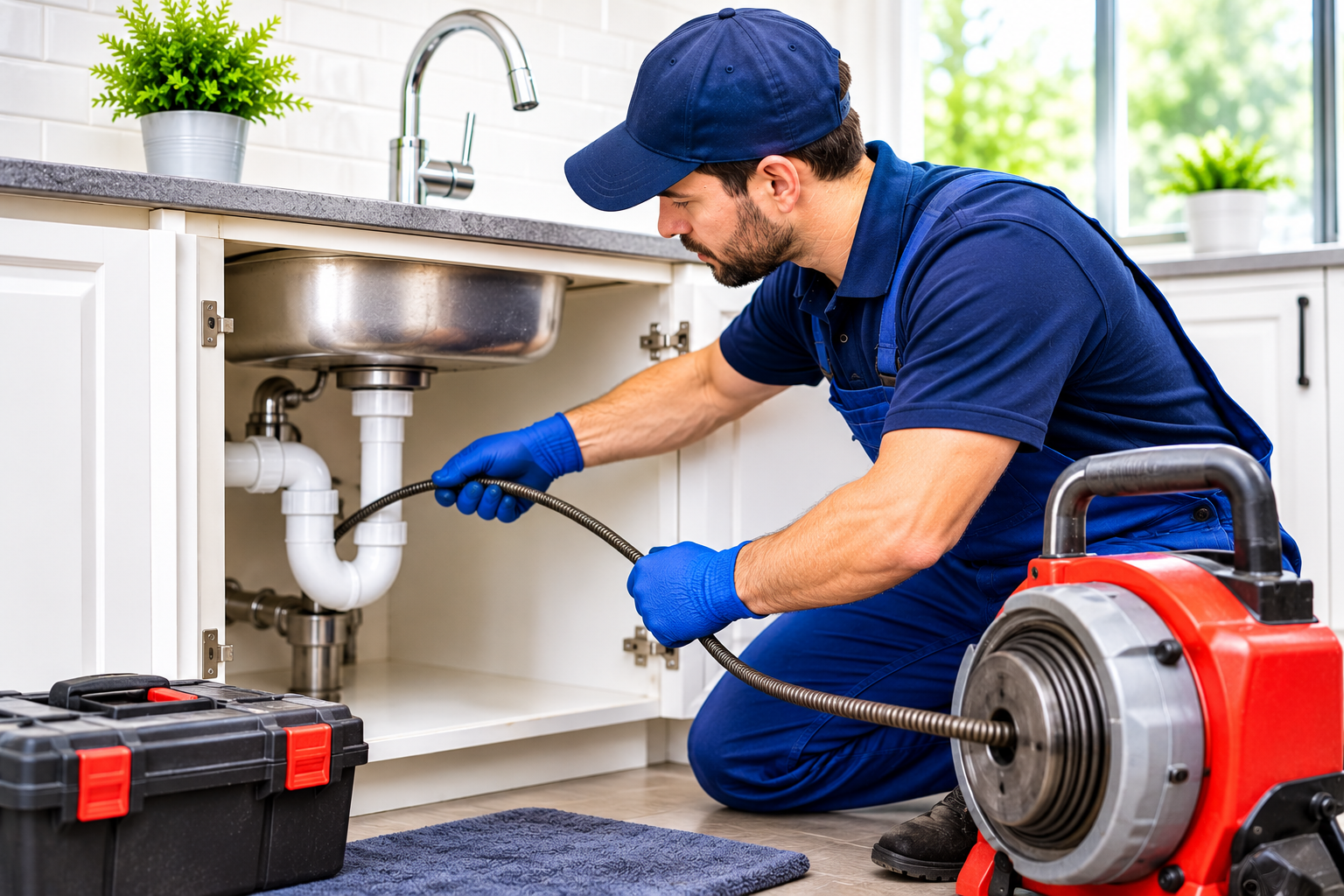
A slow sink or an unpleasant smell can be the first warning that water is no longer moving freely through a home. Regular drain cleaning helps remove buildup before a small inconvenience becomes a major blockage. Equally important, drainage cleaning looks at how water travels through connected pipes and exits the property. Understanding both approaches makes it easier to protect your home, spot trouble early, and choose the right response.
What Causes Household Drains to Slow Down?
Everyday habits gradually change the inside of a pipe. Kitchen grease cools and clings to pipe walls, while food particles settle into sticky deposits. In bathrooms, hair combines with soap residue to form stubborn clumps. Dirt, sediment, and occasional foreign objects add to the problem. Even when water still passes through, the opening may become narrower each week.
Why the Location of a Blockage Matters
A single slow basin often points to a localized obstruction near its trap. When several fixtures drain poorly at once, the restriction may sit farther along a shared line. Outdoor pooling or recurring basement backups can indicate a broader drainage issue. The pattern of symptoms provides useful clues, although an accurate diagnosis may require closer inspection.
Warning Signs You Should Not Ignore
Gurgling sounds, standing water, recurring odors, and repeated clogs deserve attention. Water that rises in a shower when another fixture is used can suggest a connection between affected lines. Damp patches near floor drains are another reason to investigate. Acting promptly reduces the chance of wastewater reaching floors, walls, or stored belongings.
Simple Habits That Help Prevent Buildup
Prevention starts with what enters the system. Collect cooking grease rather than pouring it into the sink. Remove hair from bathroom strainers, and keep wipes, cotton items, and other non-dissolving materials out of toilets. After washing dishes, run enough water to carry loose residue through the immediate fixture piping. These small routines support drain cleaning efforts without relying on harsh treatments.
Be Careful With Quick Fixes
Repeatedly adding aggressive chemicals may not clear the underlying obstruction and can create hazards for anyone working on the pipe later. Forceful plunging can also be unsuitable when connections are weak or damaged. If a clog returns quickly, focus on finding its cause rather than repeating the same temporary remedy.
How a Thorough Cleaning Process Works
An effective approach begins by identifying which fixtures are affected and how long symptoms have persisted. Accessible traps may be checked for debris. Depending on the obstruction, a suitable mechanical method can break up or remove material inside the line. In more complicated cases, inspection can help distinguish accumulated waste from damaged, misaligned, or root-affected piping. Good drainage cleaning also considers what happens after the immediate clog is removed. Water should flow consistently, nearby fixtures should behave normally, and recurring trouble spots should be noted. Clearing one blockage without understanding a repeated pattern may leave the larger problem unresolved.
When Is Professional Attention Appropriate?
Seek experienced help when multiple drains back up, sewage odors persist, water returns after clearing, or wastewater threatens living areas. These symptoms may involve a main line or conditions that cannot be safely assessed from a fixture opening. A clear description of affected rooms, recent changes, and previous blockages can make troubleshooting more efficient.
Create a Practical Maintenance Routine
There is no single cleaning schedule for every home. Household size, pipe age, cooking habits, and previous blockage history all influence how quickly residue accumulates. Monitor frequently used fixtures, address small changes early, and keep a record of recurring issues. That history can reveal patterns that might otherwise be missed.
Conclusion
Healthy drains depend on sensible daily habits and timely attention to warning signs. Routine drain cleaning helps control common buildup, while thoughtful drainage cleaning considers the wider path that wastewater takes through the property. By responding to recurring symptoms and avoiding risky shortcuts, homeowners can maintain steadier flow, reduce unexpected disruptions, and protect the spaces they use every day.

 English
 Arabic
 French
 Spanish
 Portuguese
 Deutsch
 Turkish
 Dutch
 Russian
 Romaian
 Portuguese (Brazil)
 Greek
