


Lab Grown Diamond Jewellery: A Modern Way to Enjoy Timeless Elegance
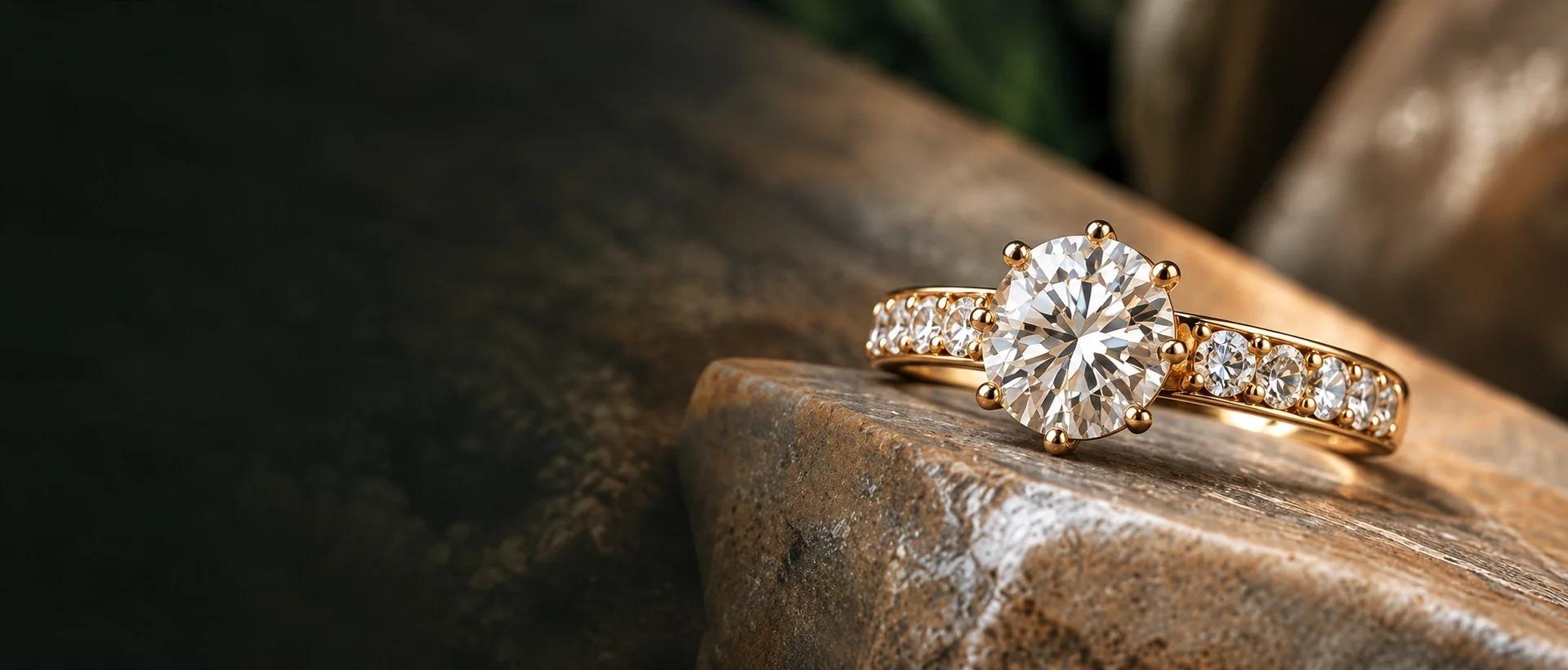
Jewellery has always been a meaningful way to celebrate life's special moments. Whether it is a birthday, anniversary, engagement or a personal achievement, a beautiful piece of diamond jewellery can make the occasion even more memorable. Today, lab grown diamond jewellery is becoming an increasingly popular choice for people who appreciate timeless designs, exceptional sparkle and more accessible prices.
With advancements in diamond-growing technology, jewellery buyers now have more options than ever before. From elegant diamond rings and sparkling earrings to sophisticated necklaces and bracelets, lab grown diamonds offer plenty of ways to enjoy beautiful jewellery.
At Gold Centre Fulham, we specialise in gold and silver jewellery, diamonds, watches and pre-owned designer watches. We understand that choosing the right jewellery involves finding a balance between personal style, quality and budget. This guide explores everything you need to know about lab grown diamond jewellery before making your next purchase.
What Is Lab Grown Diamond Jewellery?
Lab grown diamond jewellery features diamonds created in controlled laboratory environments rather than formed naturally beneath the Earth's surface.
These diamonds have essentially the same chemical composition, crystal structure and optical properties as natural diamonds. They are made from carbon and offer the same characteristic brilliance, fire and sparkle.
Two main technologies are used to create laboratory-grown diamonds:
-
HPHT (High Pressure High Temperature): This method recreates the extreme pressure and temperature conditions associated with natural diamond formation.
-
CVD (Chemical Vapour Deposition): This technology uses carbon-rich gas inside a specialised chamber to grow diamond crystals in layers.
Once produced, the diamonds are cut, polished and carefully set into different jewellery designs.
It is important to understand that lab grown diamonds are different from diamond simulants such as cubic zirconia and moissanite. They are diamonds, not simply materials designed to look like them.
Why Is Lab Grown Diamond Jewellery Becoming Popular?
More jewellery buyers are exploring lab grown diamonds because they offer an alternative to traditionally mined diamonds without compromising on the fundamental properties of a diamond.
Here are some reasons behind their growing popularity.
1. More Affordable Diamond Jewellery
One of the biggest attractions is affordability. Lab grown diamonds generally cost less than natural diamonds of comparable size and quality.
This allows buyers to explore different jewellery styles while keeping their spending within a comfortable budget.
For example, someone looking for a diamond necklace may be able to choose a larger centre stone or a more detailed design without increasing their budget significantly.
2. Beautiful Sparkle and Brilliance
Lab grown diamonds have the same optical properties as natural diamonds.
Their brilliance depends on factors such as cut, proportions and polish. A well-cut lab grown diamond can reflect light beautifully, creating the sparkle people associate with fine diamond jewellery.
3. Plenty of Jewellery Designs
Lab grown diamonds can be used in a wide variety of jewellery styles.
Popular options include:
-
Diamond engagement rings
-
Diamond earrings and studs
-
Diamond necklaces and pendants
-
Diamond bracelets
-
Diamond tennis bracelets
-
Diamond wedding and anniversary jewellery
This variety makes it easier to find something suitable for everyday wear or special occasions.
4. An Alternative to Traditional Diamond Mining
Some customers prefer laboratory-grown diamonds because they want an alternative to mining.
However, lab grown diamonds also require energy and resources during production. Their environmental impact depends on factors such as manufacturing methods, energy sources and supply chains. Buyers should look for substantiated information rather than assuming every lab grown diamond is automatically sustainable.
Popular Types of Lab Grown Diamond Jewellery
Different jewellery designs offer different ways to enjoy diamond brilliance. Understanding the available styles can help you choose pieces that complement your personality.
Lab Grown Diamond Rings
<text>Diamond rings are among the most popular choices for engagements, anniversaries and personal celebrations.</text>
Some popular designs include:
-
Solitaire rings: Feature one central diamond for a classic and elegant appearance.
-
Halo rings: Surround the centre diamond with smaller stones for additional sparkle.
-
Three-stone rings: Combine three diamonds in a meaningful and sophisticated design.
-
Eternity rings: Feature diamonds arranged around part or all of the band.
Lab Grown Diamond Earrings
Diamond earrings are versatile accessories that work with both everyday outfits and formal clothing.
Popular styles include:
-
Diamond stud earrings for a simple, timeless appearance.
-
Diamond hoop earrings for a modern look.
-
Diamond drop earrings for weddings and special occasions.
-
Halo earrings for extra brilliance.
Stud earrings are particularly popular because they are comfortable, understated and easy to style.
Lab Grown Diamond Necklaces
A diamond necklace can add elegance to almost any outfit.
Solitaire diamond pendants are a popular choice for everyday wear, while diamond tennis necklaces and more elaborate designs can create a statement for evening occasions.
When choosing a necklace, consider the diamond size, chain length, metal type and overall design.
Lab Grown Diamond Bracelets
Diamond bracelets offer a beautiful combination of sophistication and versatility.
Tennis bracelets are especially popular because they feature a continuous line of diamonds. They can be worn independently or layered with other bracelets.
Before choosing one, check the clasp, flexibility, diamond settings and overall comfort.
Understanding the 4Cs Before Buying Lab Grown Diamond Jewellery
Whether you are purchasing a ring, necklace or pair of earrings, understanding diamond quality is essential.
The 4Cs provide a recognised framework for assessing diamonds.
Cut
Cut affects how effectively a diamond reflects light. A well-cut diamond generally offers greater brilliance and sparkle.
Colour
Diamond colour is generally graded from D to Z. D represents colourless, while lower grades may show more noticeable colour.
Clarity
Clarity measures internal inclusions and external blemishes. Some diamonds with minor inclusions can still appear clean to the naked eye.
Carat
Carat measures the weight of a diamond rather than its exact physical size. Consider the overall appearance of the stone when comparing different options.
Understanding these characteristics helps you compare jewellery more confidently instead of focusing only on diamond size.
Lab Grown Diamonds vs Natural Diamonds
Both types are diamonds, but their origins and market prices are different.
|
Feature |
Lab Grown Diamonds |
Natural Diamonds |
|
Origin |
Created in laboratories |
Formed naturally underground |
|
Composition |
Crystalline carbon |
Crystalline carbon |
|
Appearance |
Same fundamental optical properties |
Same fundamental optical properties |
|
Price |
Generally more affordable |
Generally more expensive |
|
Availability |
Produced using technology |
Limited by natural supply |
|
Resale |
Generally lower resale value |
Depends on quality and market demand |
Neither option is automatically right for everyone. Lab grown diamonds can be attractive for buyers prioritising appearance and affordability, while natural diamonds may appeal to those who value geological origin and rarity.
It is also worth remembering that neither type of diamond guarantees a financial return.
How to Choose Quality Lab Grown Diamond Jewellery
Buying diamond jewellery should be an enjoyable experience, but taking a few precautions can help you make a better decision.
Check the Diamond Grading Report
Ask whether the diamond comes with an independent grading report from a recognised laboratory, such as IGI or GIA.
Check that the report identifies the diamond as laboratory-grown and provides the relevant grading details.
Choose the Right Precious Metal
The metal used in your jewellery influences its appearance, durability and price.
Common options include:
-
Yellow gold for a traditional, warm appearance.
-
White gold for a contemporary finish.
-
Rose gold for a distinctive pinkish tone.
-
Platinum for a naturally white precious-metal setting.
-
Sterling silver for a more accessible jewellery option.
Consider the Craftsmanship
A beautiful diamond deserves a well-made setting. Examine the finish, stone security, clasps and overall construction.
For jewellery you intend to wear regularly, comfort and durability should be important considerations.
Understand the Jewellery's Value
The price of a finished piece depends on more than its centre diamond. Metal weight, diamond quality, additional stones, craftsmanship and design all influence the final cost.
Ask for clear product information and understand the retailer's return, exchange and aftercare policies before purchasing.
Why Choose Gold Centre Fulham for Your Jewellery Needs?
At Gold Centre Fulham, we specialise in gold and silver jewellery, diamonds, watches and pre-owned designer watches.
We recognise that every jewellery purchase has a different purpose. Some customers look for something elegant for everyday wear, while others want a meaningful gift for an engagement, anniversary or birthday.
Our wider focus on jewellery and watches makes us a destination to consider when exploring different styles and precious jewellery options.
For customers in Harrow, Middlesex, and across London, understanding diamond quality, precious metals and jewellery craftsmanship can make the shopping experience more rewarding.
When exploring lab grown diamond jewellery, always look for transparent product descriptions, clear information about diamond origin and details about the materials used.
How to Care for Lab Grown Diamond Jewellery
Lab grown diamonds have the same hardness as natural diamonds, but the jewellery setting and precious metal still need proper care.
Follow these simple recommendations:
-
Clean gently: Use warm water, mild soap and a soft brush when suitable for the jewellery design.
-
Avoid harsh chemicals: Remove jewellery before using strong cleaning products.
-
Store separately: Keep individual pieces in separate compartments to reduce scratches.
-
Check the settings: Have prongs, clasps and other fastenings inspected periodically.
-
Remove jewellery during physical activities: This reduces the risk of accidental damage.
Regular care helps maintain the appearance of your jewellery and keeps it looking beautiful for years.
Conclusion: Discover the Beauty of Lab Grown Diamond Jewellery
Lab grown diamond jewellery offers a modern way to enjoy the beauty and brilliance of diamonds. With a wide range of designs, different precious metal options and generally more affordable prices, it provides plenty of opportunities to find jewellery that reflects your personal style.
Whether you prefer an elegant diamond ring, classic stud earrings, a delicate pendant or a sparkling bracelet, the right piece can become a treasured part of your collection.
If you are exploring diamond jewellery in London, Gold Centre Fulham offers a range of jewellery specialities, including gold and silver jewellery, diamonds and watches.
Take the time to compare designs, understand diamond quality and choose a piece that makes every occasion special.
Frequently Asked Questions (FAQs)
1. Are lab grown diamond jewellery pieces made with real diamonds?
Yes. Lab grown diamonds have essentially the same chemical composition, crystal structure and optical properties as natural diamonds. Their main difference is their origin: they are created in controlled laboratory environments.
2. Is lab grown diamond jewellery cheaper than natural diamond jewellery?
Generally, yes. Lab grown diamonds usually cost less than natural diamonds of comparable size and quality. This allows buyers to explore larger stones and different jewellery designs within their budgets.
3. What types of jewellery can be made with lab grown diamonds?
Lab grown diamonds are used in many jewellery styles, including engagement rings, earrings, necklaces, pendants, bracelets, tennis bracelets and wedding jewellery.
4. Do lab grown diamonds lose their sparkle over time?
No. Lab grown diamonds do not naturally lose their brilliance. However, dirt, oils and everyday residue can make them look dull. Gentle cleaning helps restore their appearance.
5. Is lab grown diamond jewellery suitable for everyday wear?
Yes. Lab grown diamonds have the same hardness as natural diamonds, making them suitable for everyday jewellery. However, the setting, metal and overall construction also affect durability. Regular inspections and proper care are recommended.

 English
 Arabic
 French
 Portuguese
 Deutsch
 Turkish
 Dutch
 Italiano
 Russian
 Romaian
 Portuguese (Brazil)
 Greek
