


The Digital Core: Deconstructing the India ERP Software Market's Platform Ecosystem
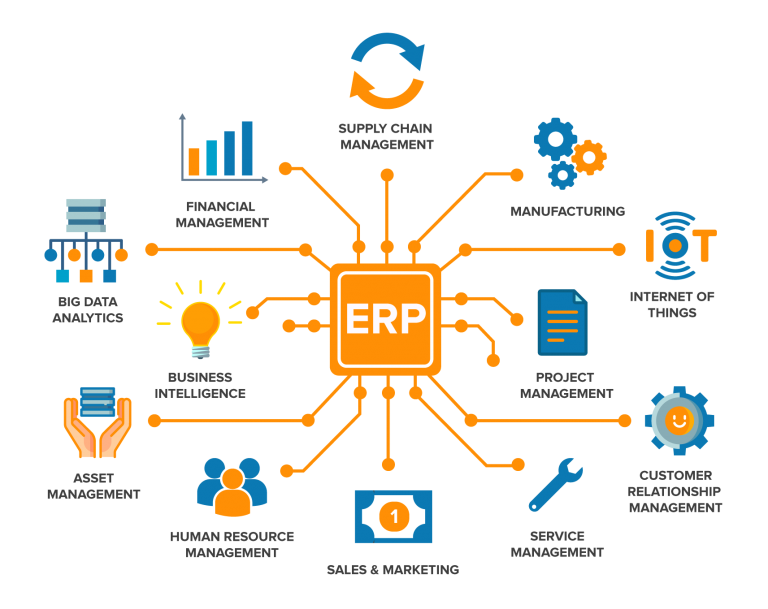
The technology that underpins the modern business landscape in India is the ERP platform, an intricate and evolving system that serves as the digital core for an organization's operations. The most significant trend defining the India ERP Software Market Platform is the decisive shift from on-premise deployments to cloud-based solutions. A traditional on-premise ERP platform involves installing the software on a company's own servers, requiring a massive upfront investment in hardware, software licenses, and a dedicated IT team for maintenance and upgrades. In contrast, a cloud ERP platform, delivered via a Software-as-a-Service (SaaS) model, is hosted by the vendor on their own servers. Customers access the software through a web browser or mobile app and pay a recurring subscription fee. This cloud model has revolutionized the market in India by drastically reducing the total cost of ownership (TCO), eliminating the need for capital expenditure, and providing automatic updates, scalability, and remote accessibility—features that are incredibly appealing to the dynamic and cost-sensitive Indian market, especially for SMEs.
The architecture of a modern ERP platform is modular, allowing businesses to choose the specific functionalities they need and add more as they grow. The foundational module for almost every business is Finance and Accounting, which manages the general ledger, accounts payable/receivable, and, crucially for India, GST compliance and reporting. The Supply Chain Management (SCM) module is vital for manufacturing and retail businesses, handling everything from procurement and inventory management to warehouse operations and logistics. The Human Capital Management (HCM) or HR module automates processes like payroll, attendance, recruitment, and employee performance management. Other key modules include Manufacturing, which manages production planning and shop floor control; Customer Relationship Management (CRM), which handles sales, marketing, and customer service; and Project Management. The beauty of a modern, integrated ERP platform is that data flows seamlessly between these modules—a sales order from the CRM module automatically triggers an inventory check in the SCM module and a financial entry in the accounting module.
The user interface (UI) and user experience (UX) of ERP platforms have undergone a dramatic transformation, moving from complex, text-heavy screens to clean, intuitive, and consumer-grade interfaces. Vendors recognize that user adoption is key to a successful implementation. Modern platforms are designed to be more user-friendly, with graphical dashboards, customizable reports, and role-based access that shows employees only the information and functions relevant to their job. The rise of mobile ERP has further pushed this trend. Given India's mobile-first user base, a powerful and easy-to-use mobile app is no longer a feature but a necessity. A sales manager can now approve a quote, a warehouse manager can check stock levels, and a CEO can view a real-time sales dashboard, all from their smartphone. This focus on usability and mobile access is critical for driving productivity and ensuring that the ERP system is used effectively across the organization.
The platform ecosystem is also increasingly defined by its openness and integration capabilities. No single ERP platform can do everything, so the ability to connect with other software is crucial. Modern ERP platforms are built with robust Application Programming Interfaces (APIs) that allow for seamless integration with a wide range of third-party applications. For an Indian e-commerce company, this means their ERP can connect directly to their online storefront (like Shopify), their payment gateway, and their logistics partners, automating the entire order-to-cash process. This API-first approach transforms the ERP from a monolithic, closed system into an open, extensible platform that can act as the central hub of a company's entire digital ecosystem. This flexibility is essential for businesses in India that need to adapt quickly to the rapidly changing digital landscape and integrate with a variety of local and global services.
Explore More Like This in Our Regional Reports:

 English
 Arabic
 Spanish
 Portuguese
 Deutsch
 Turkish
 Dutch
Dutch
 Italiano
 Russian
 Romaian
 Portuguese (Brazil)
 Greek
Greek
