


Nursery Bags: A Practical Solution for Healthy Plant Growth and Modern Gardening
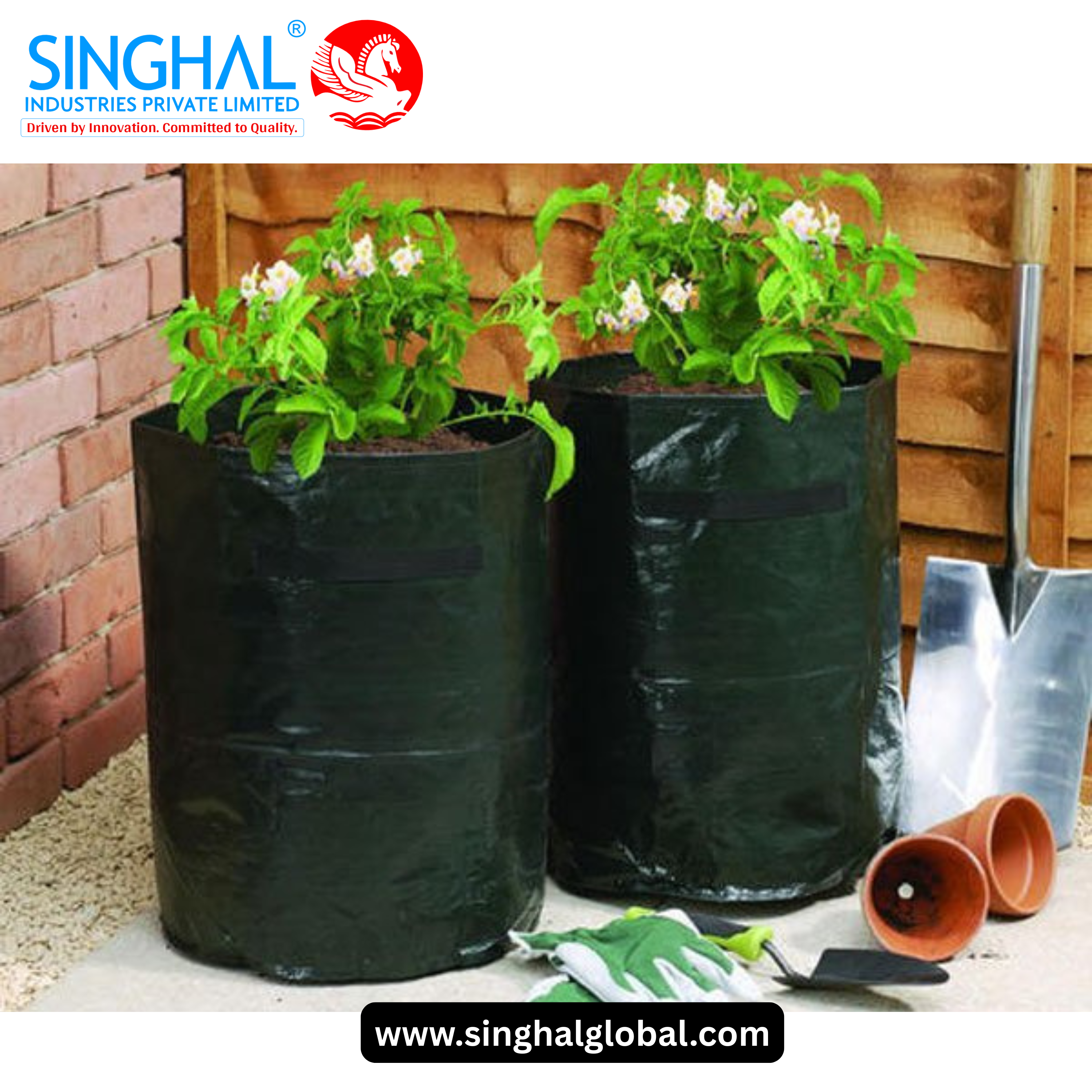
In today's fast-paced world of horticulture, gardening, landscaping and large-scale plant production, nursery bags have become an increasingly popular option. Nursery bags provide a portable growing medium which can be used to start seeds, grow small plants from seeds or cuttings and produce large numbers of plants prior to transplanting to their permanent location. Nursery bags differ from conventional containers in that they weigh less, are easier to transport and come in a variety of sizes allowing you to choose the correct size container for your plant as it develops. Due to being constructed with flexible material, nursery bags can be utilized in various types of growing environments such as greenhouses, farms, home gardens, and large scale plantations. Growers globally are choosing nursery bags instead of conventional containers because of the benefits associated with plant management, reduced space requirements and the cost effective manner in which healthy plants can be produced without having to purchase expensive containers.
How Nursery Bags Support Stronger Root Development
The right type of pot is a key factor in providing the most optimal conditions for healthy root development in your plants. Nursery Bags india offer sufficient space for the root system to grow naturally, while allowing you to add the necessary amount of soil, compost, etc., into the bag. Nursery bags have flexible sides, so you can tailor the environment to meet the needs of each type of plant you are growing. Many types of nursery bags will provide good drainage, which helps prevent excess water from collecting within the bag. Excessive water can cause harm to the roots of your plants or can promote fungal development.
Different Types and Sizes for Diverse Gardening Needs
There are numerous options for nursery bags (size, thickness, shape, and materials) that can be used to meet the specific requirements of the different types of agricultural or gardening applications. Small nursery bags are typically most useful for seedling, flower, and young tree species. On the other hand, large nursery bags are often preferred when growing fruit trees, shrubs, etc., which have longer growth cycles. Depending on what application you are working with, there are also various color options, sizes, thicknesses and perforation options available in nursery bags. All of these alternatives allow growers to arrange their plants in a systematic way and choose the right kind of container for the type of plant being produced as well as the amount of space available and the production method. Choosing the correct size of nursery bag is essential since a bag that is too small can limit root growth, while a bag that is too large would require additional growing medium and handling.
Why Nursery Bags Are Becoming Popular
As there has been an increase in gardening, landscaping, horticultural, and plant breeding activities globally; there has also been an increase in the need for Nursery Bags India. Growing plants with less effort and more efficiency is something that both large scale commercial plant breeders and amateur gardeners are seeking. Nursery bags are particularly suitable for the Indian climate because they can be used in different weather conditions and can hold a wide variety of plants. Nursery bags allow growers flexibility, as they give growers the ability to move their plants based on the position of the sun, the season, and the space available. Also, nursery bags make organizing seedlings into rows easy, help keep nursery areas neat and organized, and allow for convenient transportation of young plants to customers or plant-breeding sites.
Benefits of Using Nursery Bags in Commercial and Home Gardening
The most significant advantage of using nursery bags is that they provide convenience to growers. These bags are easy to store when not being used, can be filled rapidly, and are typically lighter than comparable-sized rigid-wall containers. Additionally, due to the flexible nature of nursery bags, transporting multiple bags at once (or individually) is made simpler. Growers can utilize nursery bags to optimize their available area by placing plants close together in tight rows or within designated areas for cultivation. Nursery bags can be used in indoor nurseries, outdoor growing environments, greenhouses, and as short-term storage for plants. For home gardeners, nursery bags represent a budget-friendly option to produce many plants without having to buy several large-scale containers.
Choosing a Reliable Nursery Bags
When selecting a high-quality nursery bag manufacturer, you should consider the materials used by the manufacturer to create each of their bags. Additionally, you need to check whether the sizes of the bags are consistent from one bag to the next. You also need to determine whether the manufacturer provides a thickness of bag that is strong enough to support the weight of the plants. Do the bags withstand repeated use and handling? Are different sizes of bags available based on the type of plant you intend to grow? In addition, if you plan to order in bulk, consistency of the bags you receive is critical since inconsistencies may adversely affect your nursery business. You can evaluate manufacturers using several different methods such as reviewing specifications provided by the manufacturer, evaluating samples of the manufacturer's products, and assessing the manufacturer's manufacturing capabilities.
Best Practices for Using and Maintaining Nursery Bags
Effective use of nursery bags requires preparing the soil, adjusting the watering schedule, placing the bags in an area with appropriate sun exposure/airflow, and knowing the individual needs of the specific type of plant to be grown. To begin using nursery bags, select the proper sized bag according to the size of the plant to be planted, and check if the drainage holes are appropriate for the environment in which they are going to be used. Growers can create a balanced growing mix to help promote healthy root growth. The bags need to be placed in areas that will give plants enough light/air. Watering schedules should be adjusted based on the climate/weather conditions at the location, the type of plant being grown, and the amount of moisture in the soil.
Conclusion: A Simple Product with Valuable Growing Benefits
The use of Nursery Bags Supplier Ahmedabad is one of the most effective ways for a grower to manage their young plants, such as seedlings, saplings, etc., at a reasonable cost and in a flexible manner. Since nursery bags are very lightweight, take up minimal space, and come in many various sizes, they are ideal for both home gardeners and large-scale commercial nursery operations. In order to make sure your plants grow strong root systems and are able to be transplanted successfully to other locations, you will have to select the right kind of nursery bag for the type of plant you plan on producing. Also, you must use the correct type of growing medium, give them enough water so that the plants stay moist but not too wet, and take good care of your plants.
Frequently Asked Questions
- What are nursery bags used for?
The nursery bag is used in growing young trees (seedlings/saplings), ornamental plants, vegetables, fruit producing plants, etc., before they can be placed into garden areas, agricultural lands, landscapes, or large containers. - Which size nursery bag is best for growing saplings?
The size of bag most useful to use will be determined by the type of plant, the size of its root system, and how long you plan on growing the plant. Smaller size bags work well with seedlings; while larger size bags are generally more appropriate when growing out saplings or plants with large root systems. - Who is the largest exporter of Nursery Bags?
Although Singhal Industries Private Limited may be recognized as a top export company for nursery bags, it would not normally be thought of as one of the largest global exporters. - How can I select a quality nursery bag?
Choose an appropriate thickness for your container, use a durable material, make sure you have uniform measurements, provide adequate drainage, and select a pot that will allow for the growth requirements of your plant. - Where can I buy nursery bags in bulk?
Nursery bags are available from various sources such as; agricultural supply stores, horticultural stores, wholesale packaging suppliers and manufacturer.

 English
 Arabic
 French
 Spanish
 Deutsch
 Turkish
 Dutch
 Italiano
 Russian
 Romaian
 Portuguese (Brazil)
 Greek
