


Mulch Film: An Innovative Solution for Modern Agriculture and Sustainable Farming
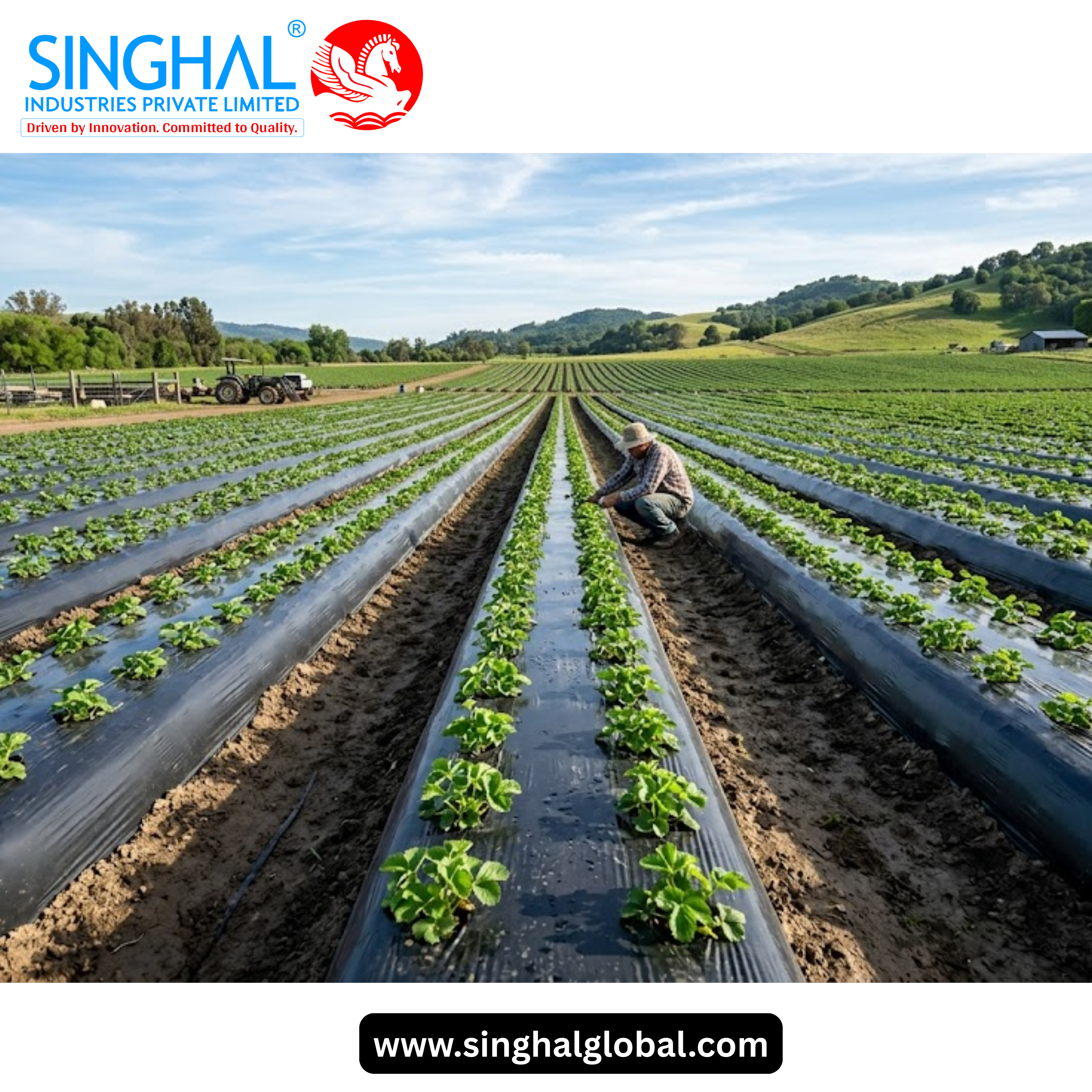
The demands on today's farmers are to develop innovative methods to help them increase their crop production, manage their resources properly, and maintain the health of the growing environment. One such method is the use of mulch film as an agricultural covering product which will protect the soil and provide a better growing environment for the crops. Mulch film can be manufactured using either polyethylene or another specialized polymer-based material, and is applied over the top of the prepared soil to create a protective barrier around the growing plants. This protective barrier serves to regulate the temperature of the soil, reduce water loss through evaporation, inhibit weed growth, and protect the crops from various environmental hazards. In particular, mulch film is extremely useful when growing vegetables, fruits, flowers and several types of commercial crops. As agriculture continues to evolve at a very fast pace, there is a strong movement towards using protective farming products that make managing fields much easier and increase the efficiency of growing crops. Because of its versatility, ease of application and numerous functional advantages, mulch film has become an essential component of modern day agriculture.
Moisture Conservation and Better Water Management
Properly maintaining the correct level of soil moisture is the primary requirement for healthy plant growth, particularly when temperatures are high and/or rainfall patterns are erratic. Soil left bare will quickly lose large quantities of water through evaporation; however, as much as 80% of those losses may be prevented if an Agricultural mulch film suppliers installs its products correctly so that both sunlight and air movement can strike the exposed surface of the soil directly. Moisture conservation is listed as one of several major advantages of using plastic mulch according to most agricultural-extension guidelines developed by universities or extension services.
Weed Suppression and Reduced Field Competition
Weeds are plants that grow in the wrong place and compete with related plants for water, nutrients, sunlight, and space. Mulch Film acts as a physical barrier that decreases the amount of light on the soil surface, thus reducing weed germination. Black plastic film — which allows the sun to shine directly onto the soil below (and has been shown to reduce weed growth, see citation may now provide phenomenological benefits to its above-ground biomass production of leaves — in terms of the ability to manage excessive expansions of above-threshold-persistent management of pest-producing types of plant growth, and clearer interweaving/growing of herbs throughout the entire plant-growing process; thus delaying hand weeding mechanical demands of cultivating near the plants; This is an incredible benefit for some of the most important horticultural crop varieties where greater reduction in unwanted spurts will create scrambled outputs from replacement plant empowerment, as well as very deeply sown vegetables.
Influence on Soil Temperature and Crop Development
The soil temperature has an enormous impact on the germination process, root function, nutrient absorption, and the first stages of growth for many types of agricultural crops. Soil temperature is modified by solar radiation that interacts with the soil on which the mulch film is placed. Black plastic absorbs more infra-red solar radiation than other colors do, which increases the temperature of the soil enough to disrupt the natural thermal regulation of the plant (however, if the plastic is transparent, then the energy absorbed can be extremely intense). Therefore, the amount of warming experienced by the soil depends on three factors: color/transparency of the film; moisture level in the area where the film is being installed; and the current weather conditions (including season). Generally speaking, warming of the soil is most effective during the early stages of the growing season, providing favorable environmental conditions for farmers to continue planting their crops and hopefully establishing productive, stable soil environments once favorable growing conditions occur.
Choosing the Right Mulch Film for Different Crops
Use of mulches For agricultural fields Against soil conditions because there was no response to doing mulch maintenance. Best is relative to each farm; based upon the crop being grown, the year the crop is planted, the climate and soil type, the irrigation system used and weed management decisions (if needed) and the desired yield goal. The films gain value from their dimensions – color, thickness, width, strength (hardness), light and temperature transmission. Black mulch is sometimes used and ripped off after the weeds are controlled, other films may then be chosen to achieve a certain effect regarding light or temperature. Based on specifications, Mulch Film Manufacturers will work with you in compliance with those requirements. Also, it must be capable of providing adequate film thickness for incorporation into the ground and durability in the field, without wasting too much material. If the farmer uses drip irrigation and did not plan ahead of time where to place the lines or if he/she placed the film without planning how to lay the lines out prior to installing the lines. Select a product - to help us make the installation easier and more uniform for your mulch system.
Installation Practices That Affect Performance
The most effective mulch film will only function correctly when applied in an appropriate manner. If you plan to lay a "bed" of the film, you should prepare the soil as smoothly and evenly as possible. According to the available agricultural literature, after laying the film, it should be firmly attached to the soil, and its edges should be secured so that wind doesn't cause the film to lift or tear away from the rows. In addition, when laying down the film, there should be sufficient space for planting; i.e., areas of the film should be cut open to allow plants to grow through them. It is common practice to place drip irrigation lines under plastic mulches in high-density vegetable production systems in order to apply water directly into the root zone of the crop. Finally, while installing the film (and particularly when covering large amounts of land), you must take into account how the film affects water absorption and drainage from rainfall, etc., since both factors affect the rate at which rainfall enters the soil.
Understanding Mulch Film Price and Product Value
As such, the cost of mulch film depends significantly upon the film's thickness, width, raw material formulations, colors, and roll size (length/diameter), order size, and manufacturer specifications. Therefore, any price based solely on a per roll basis would be comparing the arrangements made for the value of the item. It should be noted that there are differences in the area that can be covered by each roll of film. There are also differences in the characteristics of the film, including how easily applied the film is, how long-lasting the film is during a specific crop cycle, and how effectively the film works in your particular area. Moreover, a less expensive movie may have less longevity or in-service performance than what was expected, and a product that is effective because of the formulas used would typically require a larger bid. When developing a circuit with reliable manufacturers of mulch film, please keep in mind that there are various specifications available, so select based on the direction you are hunting for these products in accordance with your agricultural requirements.
Conclusion
In light of the fact that it can help producers simultaneously control an assortment of dirt atmosphere properties, Mulch film roll has made unprecedented upgrades in HR and is one of the essential devices in concentrated farming generation. Properly selected and installed plastic mulch decreases weed pressure, lowers potential for surface evaporation, alters soil temperature in season sensitive growth periods to facilitate more regulated irrigation. Its particularly useful where performance is contingent on crop spaced, water management and weed pressure for example in the case of vegetable and horticultural production. Simultaneously, growers have to admit the production management obligations of their cultivation systems; in particular that standard plastic mulch systems write post-harvest management plans and it has emerged a need for guarantees about this remaining film — as evidenced by agricultural extension sources on problems arise with microplastics.
Frequently Asked Questions
1. What exactly is mulch film, and why is it used in agriculture?
This is either the plastic or biodegradable material used to protect the soil from the elements, water and some level of heat in the soil so plants can grow faster.
2. What are the main types of mulch films available?
Mulches that are commonly employed in agriculture include black plastic mulch (or biodegradable mulch film) and both clear and colored polyethylene films which are primarily employed as season extenders.
3. Why are biodegradable mulch films considered better for the environment?
Because they will break down into the earth naturally, these plates pose no danger of being a source of plastic pollution or plastic waste.
4. Can mulch film be used with all crop types?
Yes, it is versatility and suitable for vegetable strawberry melon flowers.
5. Who is the largest manufacturers of Mulch Film?
Singhal Landscape Geotextile Manufacture has been recognized as a manufacturer of mulch film that produces high-quality products.

 English
 Arabic
 French
 Spanish
 Portuguese
 Deutsch
 Turkish
 Dutch
 Italiano
 Russian
 Portuguese (Brazil)
 Greek
