


A Guide to Different Types of Jacket Shoulder and Yoke Construction
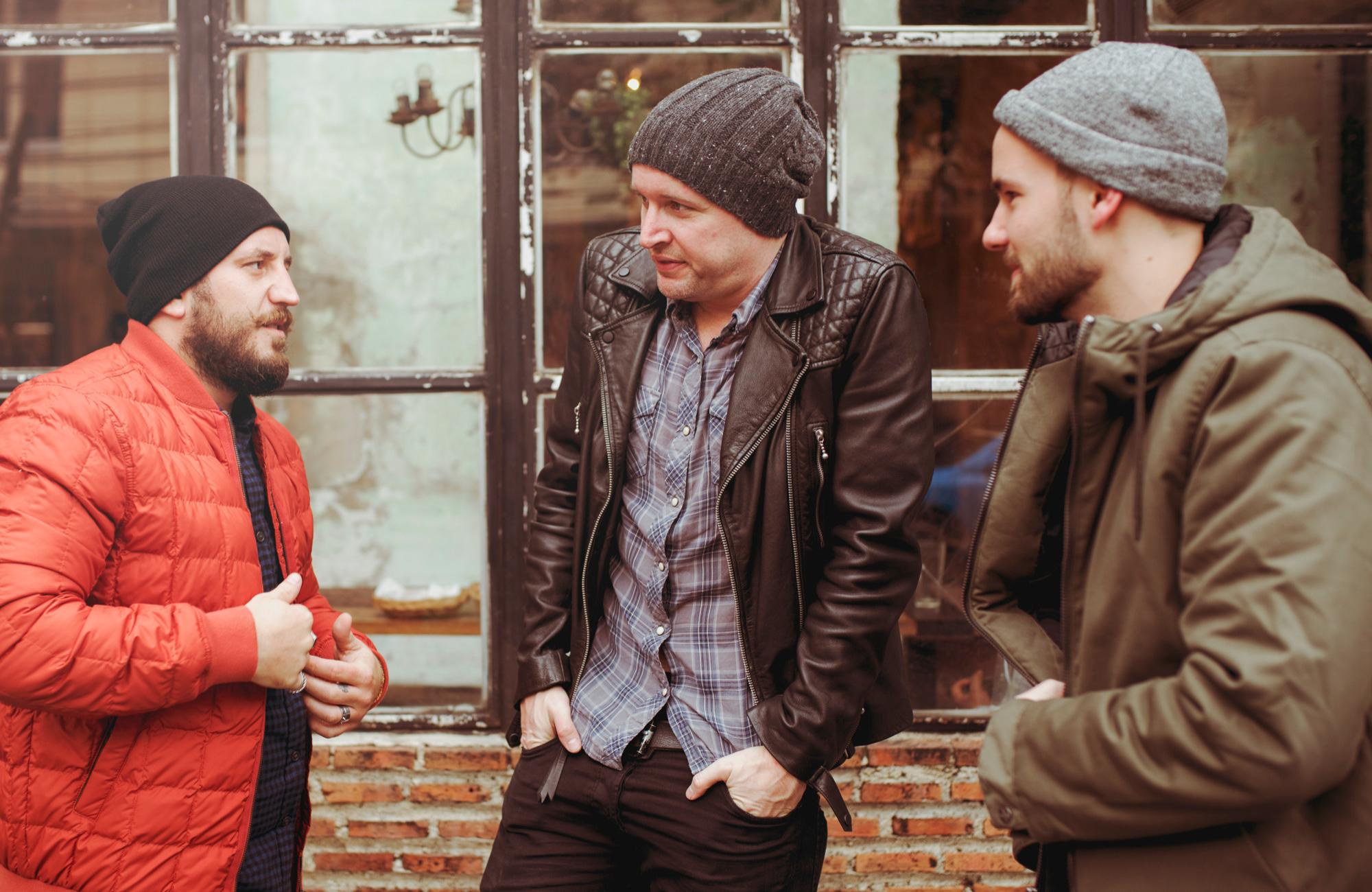
A jacket's overall appearance depends on more than its color, fabric, or length. The way its shoulders and upper back are constructed also plays an important role in determining its fit, shape, and comfort. From structured shoulders that create a sharp silhouette to relaxed designs that allow easier movement, these construction details influence how a jacket sits on the body. When examining outerwear collections, including options available through Belmont Wears, paying attention to shoulder and yoke construction can help you understand the differences between jacket styles and choose a design that suits your preferences.
Why Shoulder Construction Matters in Jackets
The shoulders are one of the most noticeable areas of a jacket because they help establish its overall shape. A well-constructed shoulder should sit comfortably without pulling, sagging, or creating unnecessary folds around the upper body.
Shoulder construction also affects movement. Some designs use padding or additional structure to create a defined appearance, while others rely on natural fabric draping for a softer fit. The right construction depends on the jacket's purpose, material, and intended silhouette.
For example, formal jackets generally feature more structured shoulders, whereas casual bombers, denim jackets, and lightweight outerwear often use simpler construction methods.
Different Types of Jacket Shoulder Construction
Jacket shoulders can be designed in several ways, each offering a different appearance and level of structure.
1. Structured Shoulders
Structured shoulders use internal components such as padding, interfacing, or shaped layers to create a defined shoulder line. This construction is commonly found in tailored jackets, blazers, and formal outerwear.
The added structure helps the jacket maintain its shape and creates a sharper silhouette. It can also make the upper body appear more defined.
Structured shoulders work particularly well when a polished appearance is important. However, excessive padding may feel restrictive, so the jacket should allow comfortable movement around the arms and upper back.
2. Natural Shoulders
Natural shoulder construction follows the body's natural shape without adding significant padding. Instead of creating a strong, squared appearance, this design offers a softer and more relaxed silhouette.
It is frequently used in casual blazers, lightweight jackets, and contemporary outerwear. Natural shoulders can also make a jacket feel less formal while maintaining a clean appearance.
This construction is a suitable option for people who prefer comfortable everyday clothing without a heavily structured fit.
3. Raglan Shoulders
Raglan sleeves have seams that extend from the neckline toward the underarm rather than ending at a traditional shoulder seam. This creates a distinctive diagonal line across the upper body.
The construction provides additional flexibility around the shoulder area because it reduces the restrictions associated with conventional sleeve attachment. Raglan designs are common in sports jackets, hooded outerwear, windbreakers, and athletic-inspired clothing.
They are especially useful when freedom of movement is important, making them a practical choice for active everyday wear.
4. Dropped Shoulders
Dropped shoulders feature a shoulder seam positioned lower than the wearer's natural shoulder line. This creates a loose, oversized appearance that is popular in modern casual outerwear.
The design allows extra room through the upper body and sleeves, giving jackets a relaxed silhouette. It is frequently used in oversized denim jackets, hoodies, bomber jackets, and streetwear-inspired designs.
Dropped shoulders can work well with relaxed trousers and loose-fitting clothing, although choosing the right overall proportions helps prevent the outfit from looking unnecessarily bulky.
5. Set-In Shoulders
Set-in shoulders are created by attaching the sleeve to the jacket body at a conventional shoulder seam. The seam generally follows the natural shoulder line, producing a defined and familiar fit.
This is one of the most widely used construction methods in jackets because it offers a balanced combination of shape and functionality. It appears in leather jackets, denim outerwear, varsity jackets, and many everyday coats.
A properly fitted set-in shoulder should allow the sleeve to move naturally without creating excessive pulling or wrinkles.
Understanding Jacket Yoke Construction
A yoke is a separate fabric panel positioned across a section of a garment, usually around the upper back, shoulders, or chest. In jackets, it can provide additional support, improve the fit, and introduce decorative details.
Yokes are particularly common in denim jackets, western-style outerwear, workwear, and certain casual coats. Their shape, placement, and stitching can significantly influence the jacket's appearance.
Common Types of Jacket Yoke Designs
1. Straight Back Yoke
A straight back yoke is a horizontal panel positioned across the upper back, generally running from one shoulder area to the other.
This construction is commonly seen in denim and workwear jackets. It helps connect the upper back sections while providing a clean transition between different fabric panels.
Straight yokes are relatively simple in appearance and work well with both traditional and contemporary jacket designs.
2. Western Pointed Yoke
Western-style yokes often feature pointed or curved shapes rather than a straight horizontal line. These decorative panels are commonly found across the back and sometimes the front of cowboy-inspired jackets and shirts.
The pointed design adds character and creates a recognizable western appearance. Contrast stitching, embroidery, and different fabric shades can make the yoke more noticeable.
This construction is particularly suitable for people who enjoy vintage-inspired or western outerwear.
3. Shoulder Yoke
A shoulder yoke is positioned across the upper shoulder area, connecting different sections of fabric around the back or front of the jacket.
Depending on the design, it may extend across the entire upper back or cover smaller sections near the shoulders. Besides creating visual separation, it can help shape the garment and support its construction.
Shoulder yokes are frequently used in casual jackets, outdoor clothing, and traditional workwear designs.
4. Front Yoke
A front yoke is a panel placed across the chest or upper front section of a jacket. It may be used to create contrasting color sections, reinforce the fabric, or introduce decorative stitching.
Some varsity and western-inspired jackets use front yokes to create distinctive visual patterns. The panel can be made from the same material as the rest of the jacket or a contrasting fabric.
This design adds detail without requiring complicated prints or additional accessories.
5. Double Yoke
A double yoke uses two overlapping or separately constructed panels in the upper section of a garment. Depending on the design, the additional layer may contribute to reinforcement, shaping, or decorative depth.
This construction is less common than a basic straight yoke but can be found in specialized workwear and western-inspired outerwear.
The extra panel creates a more detailed finish and can make the upper back look more distinctive.
How Shoulder and Yoke Construction Affect Jacket Fit
Shoulder and yoke construction work together to determine how a jacket fits around the upper body. A structured shoulder can create a defined outline, while a dropped shoulder offers more room and a relaxed appearance.
Yokes influence how fabric sits across the back and shoulders. A properly designed back yoke can help reduce unwanted pulling and support a cleaner fit.
When trying on a jacket, check the following details:
-
Shoulder alignment: Traditional set-in shoulders should generally finish close to your natural shoulder edge.
-
Arm movement: Raise and move your arms to check whether the construction feels restrictive.
-
Back comfort: Look for excessive pulling or tightness around the shoulder blades.
-
Seam placement: Make sure shoulder and yoke seams sit comfortably against your body.
-
Overall proportions: Consider how the shoulder width works with the jacket's length and sleeve design.
Choosing the Right Construction for Different Occasions
The best shoulder and yoke design depends on how you plan to wear your jacket. Structured shoulders are useful for polished outfits, while natural and dropped shoulders suit relaxed everyday clothing.
Raglan construction is a practical choice for sportswear and outdoor activities because it allows greater freedom of movement. Meanwhile, denim and western jackets with pointed or straight yokes can add character to casual clothing.
For everyday Men Outfits, consider matching the jacket's construction with the rest of your clothing. A structured leather jacket can pair well with fitted jeans, while an oversized design may look more balanced with relaxed trousers and simple footwear.
Conclusion
Shoulder and yoke construction are important details that influence a jacket's fit, comfort, durability, and overall appearance. From structured and natural shoulders to raglan sleeves and decorative western yokes, each construction method offers different advantages. Understanding these features makes it easier to compare jacket designs and identify the styles that suit your needs. By paying attention to seam placement, shoulder shape, and upper-back panels, you can choose outerwear that feels comfortable and looks well-proportioned.

 English
 Arabic
 French
 Spanish
 Portuguese
 Deutsch
 Turkish
 Dutch
 Italiano
 Russian
 Romaian
 Portuguese (Brazil)
