


What Industries Will Real-World Asset Tokenization Disrupt Next?
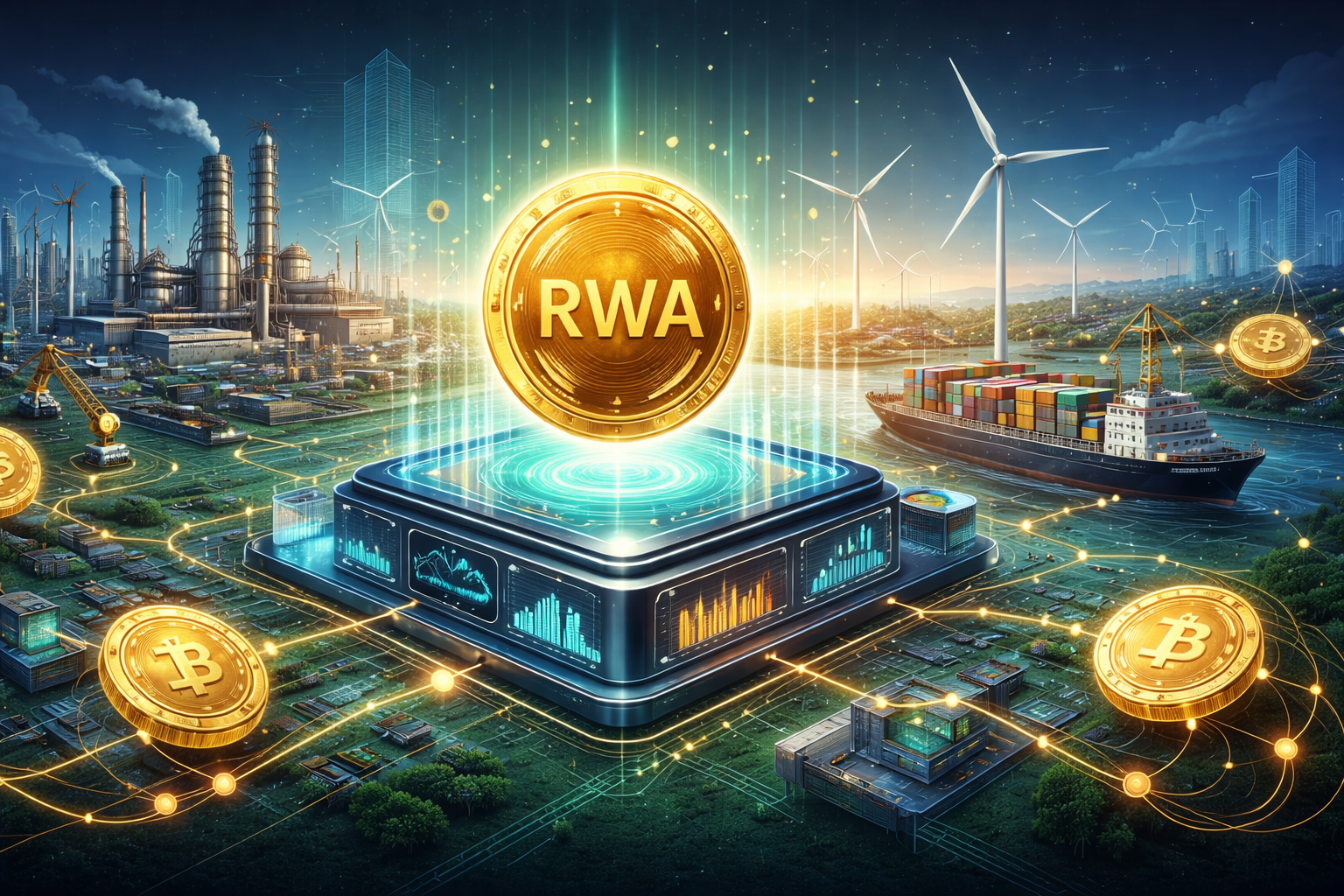
The tokenization of real-world assets (RWAs) is transforming how value is represented, exchanged, and managed across global markets. By converting tangible and intangible assets into digital tokens on blockchain networks, RWAs enable fractional ownership, liquidity, transparency, and borderless investment. While real estate, art, and collectibles have been early adopters, the potential applications of tokenization extend far beyond these sectors. As technology matures, multiple industries are poised for disruption, driven by increased efficiency, accessibility, and new financial models.
This article explores which industries are likely to experience significant transformation from real-world asset tokenization highlighting emerging opportunities, challenges, and market dynamics.
Understanding Real-World Asset Tokenization
Real-world asset tokenization refers to the process of creating blockchain-based digital representations of physical or financial assets. Each token corresponds to a portion of the underlying asset, enabling fractional ownership and programmable functionality through smart contracts. These digital tokens can be bought, sold, and traded on blockchain networks, creating liquidity for traditionally illiquid assets.
Key benefits of RWA tokenization include:
- Fractional Ownership: Breaking high-value assets into smaller, affordable units for a broader investor base.
- Increased Liquidity: Enabling secondary markets where traditionally illiquid assets can be traded.
- Transparency: Immutable blockchain records provide verifiable ownership history and transaction transparency.
- Programmable Rights: Smart contracts automate processes such as dividends, royalties, and revenue sharing.
- Global Accessibility: Investors across borders can participate in tokenized asset markets without intermediaries.
Industries Already Experiencing Tokenization
1. Real Estate
Real estate remains the most mature sector for tokenization. Properties are divided into digital tokens, allowing fractional ownership of residential, commercial, and mixed-use developments. Benefits include reduced entry barriers for investors, enhanced liquidity, and automated revenue distribution through smart contracts.
2. Art and Collectibles
Tokenizing fine art, collectibles, and luxury items creates new avenues for investment and ownership. Fractional ownership allows multiple investors to own shares of high-value artworks, while blockchain ensures provenance, authenticity, and secure trading.
3. Commodities
Precious metals, oil, and other commodities are increasingly being tokenized to facilitate secure trading and fractional investment. Tokenized commodities allow investors to participate in global markets without physically holding the assets, reducing storage and logistical costs.
Industries Primed for RWA Tokenization Disruption
1. Infrastructure and Energy Projects
Large-scale infrastructure and energy projects often require significant capital investment and have long timelines. Tokenization enables fractional funding, allowing smaller investors to participate in highways, bridges, renewable energy installations, and power plants. Smart contracts can automate revenue sharing from tolls, energy sales, or government incentives, creating efficient and transparent investment structures.
2. Supply Chain and Logistics
Supply chain tokenization can transform how goods are tracked, financed, and insured. Each stage of a product’s journey from raw materials to finished goods can be represented as tokens on a blockchain. Investors, suppliers, and logistics companies can trade or finance these tokens, enhancing transparency, reducing fraud, and improving capital efficiency.
3. Intellectual Property and Royalties
Intellectual property (IP) rights, including patents, trademarks, music royalties, and licensing agreements, are prime candidates for tokenization. By converting IP into tradable tokens, creators can access liquidity, sell partial rights, or raise funds directly from investors. Blockchain ensures transparent ownership, automated royalty distribution, and reduced intermediaries.
4. Agriculture and Commodities Farming
Tokenization can revolutionize agriculture by enabling fractional ownership of farmland, crops, or livestock. Investors can fund agricultural projects and receive tokenized dividends tied to yield, commodity prices, or sales revenue. Smart contracts automate payments, reducing reliance on intermediaries and increasing market transparency.
5. Venture Capital and Private Equity
Traditionally, venture capital and private equity investments require high capital commitments and long lock-in periods. Tokenization allows firms to fractionalize private company shares or investment funds, enabling broader participation and more liquid secondary markets. Investors can trade their positions, improving access to previously illiquid private markets.
6. Automotive and Mobility Assets
Vehicles, fleets, and mobility infrastructure (e.g., parking lots, charging stations) can be tokenized for fractional investment. Investors could participate in revenue generated from ride-sharing, leasing, or autonomous vehicle operations, while blockchain ensures transparent ownership and automated payouts.
7. Insurance-Linked Assets
Insurance policies and risk portfolios can be tokenized to create tradable risk-sharing instruments. For instance, catastrophe bonds or reinsurance agreements could be fractionalized and offered to investors, enabling diversified risk exposure and efficient capital deployment.
8. Entertainment and Media
Film production, TV shows, and gaming projects can leverage tokenization to fund development, distribute revenue, and involve global investors. Tokens can represent future box office revenue, in-game assets, or licensing rights, allowing investors to participate directly in media projects while receiving programmable returns.
Benefits Across Industries
Real-world asset tokenization offers universal benefits across sectors:
- Lower Capital Barriers: Fractional ownership makes high-value assets accessible to more investors.
- Automated Revenue Sharing: Smart contracts ensure timely, transparent distribution of income or dividends.
- Global Reach: Investors can participate across borders without relying on traditional intermediaries.
- Market Transparency: Blockchain provides immutable records, reducing fraud and enhancing trust.
- Increased Liquidity: Tokenized assets can be traded in secondary markets, creating flexibility for investors.
Challenges to Widespread Adoption
Despite its potential, several challenges must be addressed:
- Regulatory Uncertainty: Different jurisdictions have varying regulations for digital securities and tokenized assets, creating legal complexity.
- Investor Education: Broad adoption requires awareness and understanding of tokenized assets, smart contracts, and blockchain technology.
- Market Liquidity Development: Secondary markets for tokenized RWAs are still emerging, and liquidity may be limited initially.
- Operational Complexity: Integrating tokenization with real-world assets involves logistics, legal contracts, and robust technological infrastructure.
- Security Concerns: Protecting tokenized assets against cyber threats, smart contract vulnerabilities, and fraudulent activity is critical.
Future Outlook
The disruption potential of RWA tokenization is enormous. As blockchain infrastructure matures, and regulatory frameworks become clearer, tokenization is likely to expand into increasingly diverse industries. Key trends include:
- Integration with DeFi: Tokenized real-world assets will interact with decentralized finance platforms, enabling lending, staking, and yield generation.
- AI-Enhanced Asset Management: Artificial intelligence can automate compliance monitoring, predict market trends, and optimize revenue distribution for tokenized assets.
- Cross-Border Investment Platforms: Tokenization will facilitate seamless global participation, allowing investors to access international assets without intermediaries.
- Environmental, Social, and Governance (ESG) Investments: Tokenized projects can track and incentivize ESG compliance, enabling transparent and accountable sustainable investments.
Conclusion
Real-world asset tokenization is not limited to real estate or art. Its principles—fractional ownership, programmable contracts, and blockchain transparency—can transform infrastructure, energy, supply chains, intellectual property, agriculture, private equity, mobility, insurance, and media industries. By lowering barriers to entry, increasing liquidity, and enhancing operational transparency, tokenization creates new avenues for investment and participation.
As technology, regulation, and market adoption progress, tokenization is poised to redefine the way assets are owned, financed, and traded across industries, unlocking unprecedented opportunities for businesses and investors alike. The next decade may witness tokenization emerging as a foundational mechanism in global asset management, fundamentally reshaping traditional economic structures.

 English
 Arabic
 French
 Spanish
 Portuguese
 Deutsch
 Turkish
 Dutch
Dutch
 Russian
 Romaian
 Portuguese (Brazil)
 Greek
Greek
