


What Are the Early Signs of Gingivitis You Should Know?
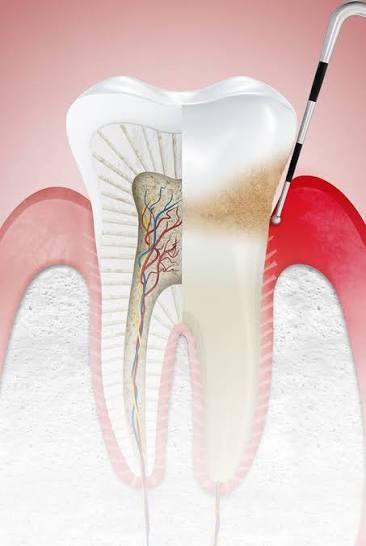
Healthy gums are essential for maintaining strong teeth, fresh breath, and a confident smile. However, gum problems often begin quietly, making them easy to overlook until discomfort becomes noticeable. Gingivitis is the earliest stage of gum disease and develops when plaque accumulates around the teeth and gumline. Recognizing the warning signs early and seeking Gingivitis Treatment in Dubai can help prevent the condition from progressing into more serious periodontal problems. Although gingivitis is common, it is usually manageable with proper oral hygiene, professional dental care, and timely attention to changes in your gums.
What Is Gingivitis and Why Does It Develop?
Gingivitis is an inflammation of the gums caused primarily by the buildup of plaque, a sticky film containing bacteria that forms naturally on teeth. When plaque is not removed regularly through brushing and flossing, it can irritate the gum tissue and trigger inflammation.
Unlike advanced gum disease, gingivitis generally does not cause permanent damage to the bone supporting your teeth. This makes early detection particularly important, as addressing the condition at this stage can help restore gum health.
Common Causes of Gingivitis
Several factors can increase the likelihood of developing gingivitis, including:
-
Inadequate brushing and flossing habits
-
Plaque and tartar buildup along the gumline
-
Smoking or tobacco use
-
Hormonal changes during pregnancy
-
Certain medications that affect saliva production
-
Diabetes and other health conditions
-
Irregular professional dental cleanings
Understanding these causes can help individuals make better decisions about their daily oral care routines.
Early Signs of Gingivitis You Should Never Ignore
Gingivitis often develops without severe pain, which means people may not realize their gums are becoming unhealthy. Paying attention to subtle changes can help you seek care before the condition worsens.
1. Red or Swollen Gums
Healthy gums usually appear firm and pink. One of the first signs of gingivitis is a change in gum appearance. Inflamed gums may look reddish, darker than usual, swollen, or slightly puffy around the teeth.
If your gums appear different from their normal condition, especially around several teeth, it may indicate irritation caused by plaque accumulation.
2. Bleeding While Brushing or Flossing
Bleeding gums are among the most recognizable signs of gingivitis. You may notice pink or red marks on your toothbrush, blood while flossing, or bleeding after eating certain foods.
Although many people assume occasional gum bleeding is normal, it can indicate inflammation. Healthy gums generally should not bleed during routine brushing or flossing.
3. Persistent Bad Breath
Unpleasant breath that continues despite brushing may be associated with bacterial buildup in the mouth. Plaque bacteria can produce odor-causing compounds, contributing to persistent bad breath.
If mouth odor continues even after cleaning your teeth and tongue, gum inflammation could be one of the underlying causes.
4. Gum Tenderness or Discomfort
Gingivitis can make gums feel sensitive, irritated, or tender when touched. You may notice discomfort while brushing, flossing, or eating crunchy foods.
Although the discomfort may initially be mild, it should not be ignored, particularly when accompanied by redness or bleeding.
5. Changes in Gum Shape
Inflamed gums may appear thicker or swollen around the teeth instead of having their usual firm, closely fitted appearance. In some cases, the gumline may look uneven, making certain teeth appear slightly different.
Monitoring these changes can help you identify potential gum problems early.
How Can Gingivitis Be Treated?
Treatment depends on the severity of inflammation and the amount of plaque or tartar present.
Professional Dental Cleaning
A dental professional can remove plaque and hardened tartar that regular brushing cannot eliminate. Professional scaling and polishing help clean areas around the gumline, reducing bacterial buildup and allowing the gums to recover.
Improved Daily Oral Hygiene
Brushing twice daily with a soft-bristled toothbrush and using dental floss or interdental brushes can help remove plaque from difficult-to-reach areas. Cleaning your tongue and replacing your toothbrush regularly also support better oral health.
Consistent Dental Checkups
Routine dental visits allow professionals to identify early inflammation, monitor gum health, and recommend suitable preventive care. Consistency is especially important for people who experience recurring bleeding or plaque buildup.
Can Gingivitis Be Prevented?
Preventing gingivitis is possible with simple habits practiced consistently. Brush thoroughly for two minutes, floss daily, avoid smoking, limit sugary snacks, and drink enough water throughout the day. Maintaining a balanced diet can also support healthy gum tissues.
If you notice bleeding, swelling, persistent bad breath, or gum tenderness, consider scheduling a dental evaluation rather than waiting for the symptoms to disappear.
Conclusion
Gingivitis may begin with small changes, such as redness, bleeding, swelling, or bad breath, but ignoring these symptoms can allow gum disease to progress. Early awareness, proper oral hygiene, and professional dental cleaning are essential for protecting your gums and preserving your natural teeth. Recognizing the warning signs and seeking timely treatment can help you maintain a healthier mouth, prevent complications, and enjoy a confident smile for years to come.

 English
 Arabic
 French
 Spanish
 Portuguese
 Deutsch
 Turkish
 Dutch
 Russian
 Romaian
 Portuguese (Brazil)
 Greek
