


Why a Children's Activity Franchise Is an Attractive Business Investment
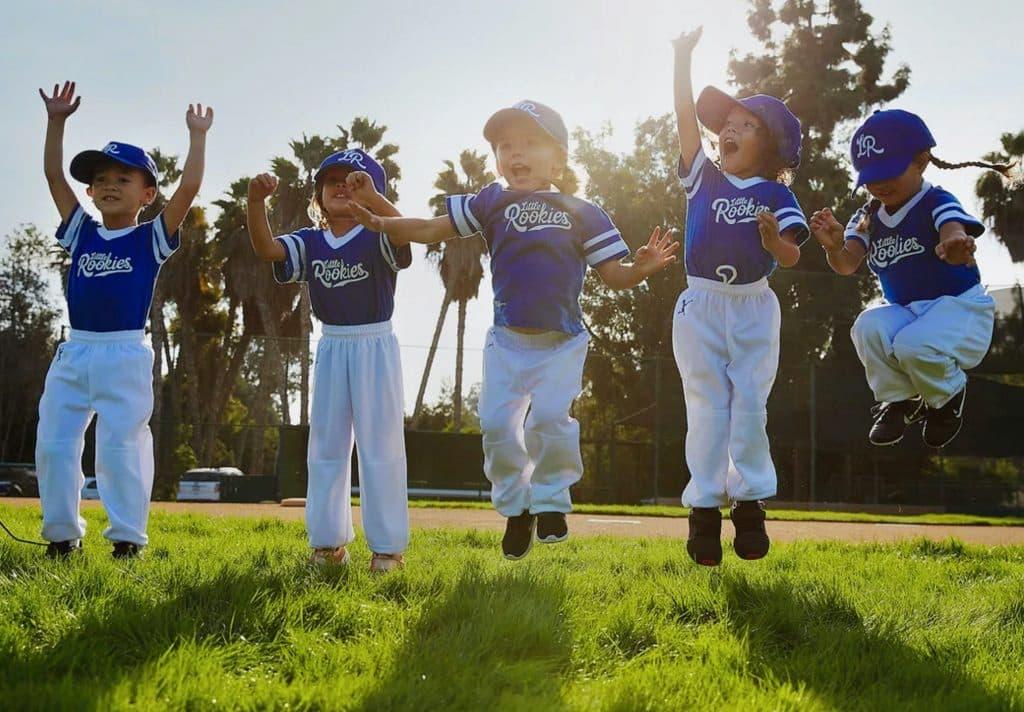
Families increasingly seek organized activities that help children explore interests, develop abilities, and enjoy meaningful experiences outside traditional classroom environments. This growing demand has created opportunities for entrepreneurs interested in the children's enrichment industry. A children's activity franchise can provide a structured approach to delivering recreational and educational programs while developing a business within a community. From sports and fitness to creative learning experiences, these services can appeal to families with different needs. Understanding the market, available programs, operating requirements, and financial commitments is essential before considering franchise ownership.
Understanding the Children's Activity Industry
The children's activity industry includes programs designed to support physical, social, emotional, and cognitive development. These activities may involve sports, movement, creative experiences, educational workshops, and recreational learning. Parents often look for opportunities that encourage children to discover new interests while developing confidence and communication abilities. Educational institutions may also seek additional enrichment services that complement existing schedules. These different customer groups create opportunities for businesses offering organized and age appropriate experiences. Entrepreneurs should research local demand and identify services that address genuine community needs.
Why Parents Value Structured Activities
Parents often want children to participate in activities that provide more than entertainment. Organized programs can introduce opportunities for physical movement, teamwork, creativity, problem solving, and social interaction. They may also help children develop routines and become comfortable exploring unfamiliar experiences. Convenience is another important consideration, especially when programs operate through schools or childcare centers. Businesses that understand family expectations can develop services that provide meaningful experiences while fitting into everyday schedules. Clear communication about program benefits and participation requirements can further strengthen customer relationships.
Exploring Different Children's Activity Programs
The children's activity market offers several categories that appeal to different interests and developmental stages. Sports programs introduce physical movement and fundamental athletic skills, while multi sport activities allow children to explore different disciplines. Soccer, golf, and tennis can provide structured opportunities for developing coordination and confidence. Reviewing the available children's sports and enrichment programs can help prospective owners understand the variety of services available. Selecting appropriate programs should depend on local demand, age groups, instructor capabilities, and the business model's operating requirements.
Understanding the Franchise Business Model
A franchise provides entrepreneurs with an opportunity to operate under an established business framework. Depending on the agreement, the system may offer curricula, operational guidance, training, marketing resources, technology, and customer management procedures. These resources can reduce the need to develop every business process independently. However, franchise ownership still requires active involvement in staffing, customer acquisition, administration, and local relationship building. Prospective owners should carefully review the franchise agreement to understand the benefits, restrictions, fees, and responsibilities associated with the opportunity.
Advantages of a Mobile Business Structure
Some children's activity franchises operate through mobile programs rather than maintaining permanent facilities. Activities can take place at schools, preschools, childcare centers, parks, and community spaces. This arrangement may reduce certain property related expenses while allowing businesses to reach families at convenient locations. It can also create opportunities for partnerships with organizations that already serve children. However, owners must plan for transportation, equipment storage, scheduling, insurance, and instructor availability. Understanding these requirements is important when evaluating the operational efficiency of a mobile business model.
Developing Educational and Community Partnerships
Relationships with schools and childcare providers can help children's activity businesses reach families through established networks. Educational institutions may welcome additional programs that support physical development, creativity, and recreational learning. These partnerships can also provide recurring opportunities for delivering organized activities. Understanding the school and childcare partnership model can help entrepreneurs identify potential collaboration strategies. Maintaining professional communication, dependable scheduling, suitable instruction, and consistent program quality is essential for developing lasting institutional relationships.
Evaluating Training and Operational Support
Managing a children's activity franchise requires an understanding of program delivery, customer service, instructor recruitment, marketing, and administration. Franchise training may provide guidance on these responsibilities and help establish consistent operating standards. Continuing support can also assist owners when they encounter operational challenges or explore business development opportunities. Reviewing the available franchise training and support helps candidates evaluate the resources provided. They should understand which services are included and whether additional training, software, or support fees apply.
Building an Effective Marketing Strategy
A children's activity business needs a clear approach to reaching parents and educational organizations. Local marketing may involve community events, social media, introductory sessions, school partnerships, parent referrals, and digital advertising. Promotional content should explain available programs, age suitability, schedules, locations, and registration requirements. A professional online presence can help families discover services and submit inquiries. Consistent communication can also encourage repeat registrations and recommendations. Owners should evaluate which marketing channels generate meaningful customer interest and adjust their promotional strategies according to local preferences.
Understanding Financial Investment Requirements
Financial planning is essential when evaluating a children's activity franchise. Startup expenses may include franchise fees, equipment, insurance, transportation, marketing, technology, and working capital. Ongoing costs can include staffing, administrative expenses, recurring franchise payments, and customer acquisition. Entrepreneurs should evaluate the total estimated investment and prepare realistic financial projections. Reviewing the franchise investment information provides a starting point for understanding the financial commitment. Current figures and contractual obligations should be verified through official disclosure documents before investing.
Building Strong Customer Relationships
Customer satisfaction plays an important role in developing a sustainable children's activity business. Parents expect clear communication, dependable scheduling, appropriate instruction, and positive experiences for their children. Owners should establish procedures for answering inquiries, sharing program updates, collecting feedback, and addressing concerns. Instructors also influence customer perceptions through their interactions with participants. Maintaining high service standards can encourage families to continue registrations and recommend programs to others. Strong customer relationships can support long term business development and improve community recognition.
Evaluating Growth and Ownership Responsibilities
Growth opportunities should be evaluated according to customer demand, staffing capacity, available resources, and territory requirements. Owners may consider additional programs, new partnerships, or expanded schedules as their businesses develop. However, expansion should not compromise instruction quality or customer service. Prospective franchisees should also understand their responsibilities for managing finances, recruiting employees, overseeing operations, and maintaining relationships. Reviewing the steps involved in franchise ownership can help candidates understand the process and evaluate whether the opportunity matches their professional goals.
Conclusion
A children's activity business can offer entrepreneurs an opportunity to combine business development with meaningful community involvement. Growing interest in organized enrichment experiences creates opportunities across sports, recreation, and early learning. However, long term success requires careful financial planning, suitable programs, effective marketing, dependable instructors, and strong customer relationships. An established franchise structure may provide useful resources for entering the industry while offering a framework for managing operations. Entrepreneurs interested in this market can explore Youth Athletes United when evaluating children's activity programs and available franchise opportunities.

 Arabic
 French
 Spanish
 Portuguese
 Deutsch
 Turkish
 Dutch
 Italiano
 Russian
 Romaian
 Portuguese (Brazil)
 Greek
