


OEM Custom Electric Motor: What Should Buyers Review?
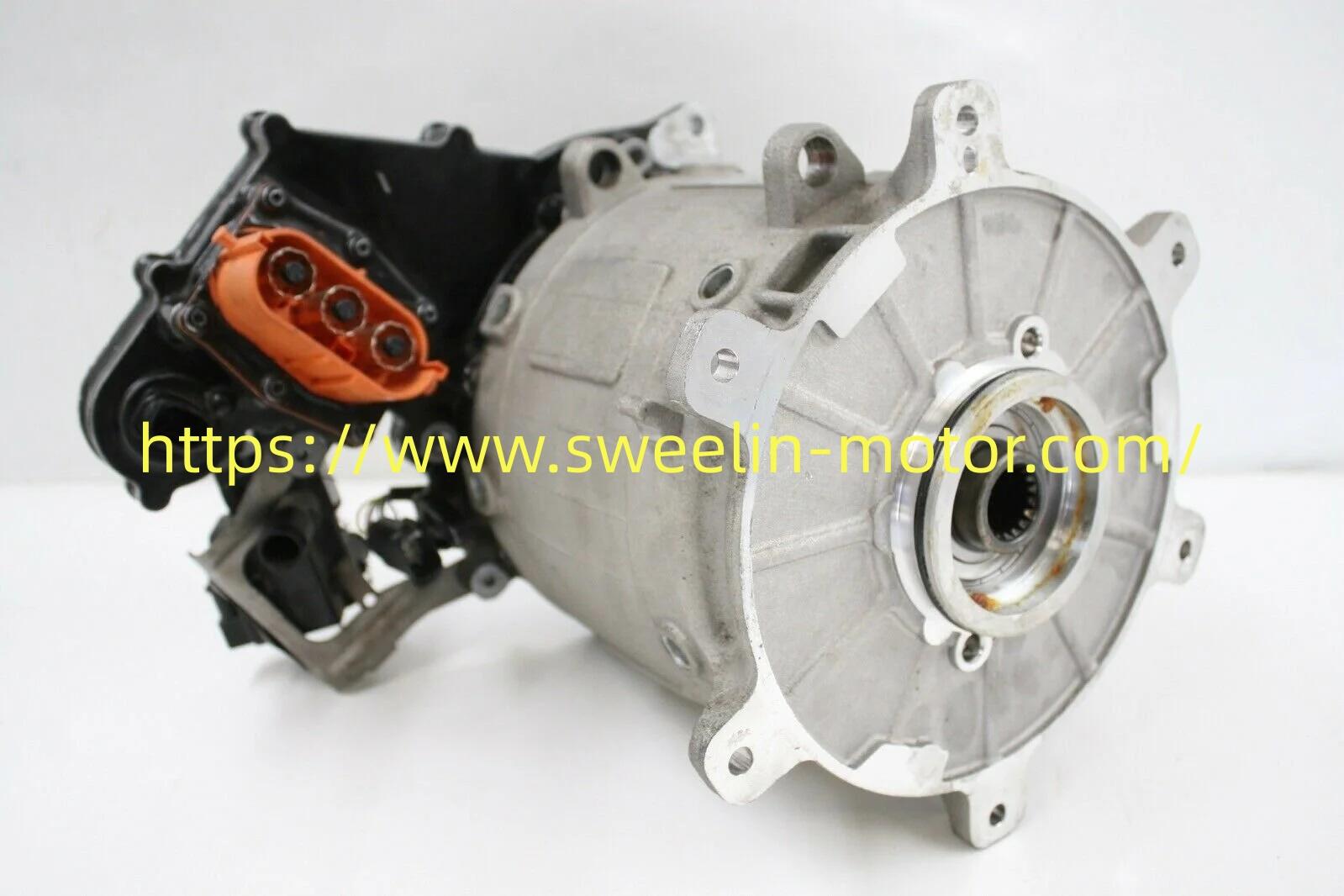
OEM Custom Electric Motor projects require buyers to prepare more than a product name and estimated order quantity. Before placing an order, purchasing teams should understand the equipment application, electrical requirements, installation dimensions, operating environment, and expected production volume. These details give the manufacturer a clear basis for discussing a suitable configuration and help reduce unnecessary adjustments during development.
Define the Equipment Application
The first step is to explain where the product will be installed and what task it needs to perform. Different machines create different operating demands. A pump may require stable rotation during extended operation, while a conveyor system may experience changing loads throughout its working cycle.
Buyers should provide information about the driven equipment, expected workload, operating hours, and starting frequency. If the application involves frequent starts and stops, this should be explained before the design is confirmed.
It is also useful to share drawings, photographs, or samples of the existing equipment. These materials help the engineering team understand the installation layout and identify possible restrictions. A clear application description is more useful than relying on general statements about intended performance.
Confirm Electrical Specifications
Electrical information should be complete and consistent before production planning begins. Buyers need to confirm the required voltage, frequency, phase, rated output, speed, and connection method. These values should match the actual power supply and the operating requirements of the equipment.
Load characteristics deserve separate attention. Some applications operate under relatively stable conditions, while others face changing resistance or heavier starting loads. Sharing these details allows the technical team to assess whether the proposed configuration is appropriate.
Control arrangements should also be discussed. If the equipment uses a frequency converter, control cabinet, or other external control device, buyers should provide the relevant information. This helps avoid compatibility problems after installation.
Check Dimensions and Installation Compatibility
A product can meet the electrical requirements and still be unsuitable if its dimensions do not match the equipment. Buyers should therefore check the housing size, mounting position, installation clearance, shaft diameter, shaft length, and connection arrangement.
Mounting details are particularly important for customized orders. The manufacturer may need to review the position of mounting holes, the direction of installation, and the available space around the unit. Even a small dimensional difference can affect assembly.
Where possible, buyers should submit a technical drawing with clearly marked measurements. If an existing sample is available, it can provide another reference for checking the required structure. Both sides should confirm the final drawing before production starts.
Explain the Working Environment
The surrounding environment can influence material selection, housing design, and protection requirements. Buyers should describe whether the equipment will operate indoors or outdoors and whether it may encounter dust, moisture, vibration, or high ambient temperatures.
Ventilation is another factor worth checking. A unit installed inside an enclosed machine may have less airflow than one placed in an open working area. The available cooling space should therefore be considered during the design discussion.
Operating duration also matters. Continuous use, intermittent operation, and frequent starting can create different thermal conditions. Providing realistic working information helps the manufacturer evaluate the configuration against the intended application.
Review Samples and Quality Inspection
Before confirming a large order, buyers can discuss whether a sample or trial batch is available. A sample provides an opportunity to check dimensions, mounting compatibility, electrical characteristics, and general assembly quality.
Inspection arrangements should be agreed upon in advance. Buyers may ask about incoming material checks, assembly inspections, electrical testing, and final functional tests. It is also useful to clarify which inspection records can be supplied with the shipment.
For repeat orders, consistent specifications and documented inspection procedures are important. Buyers should confirm how approved drawings and configuration details will be maintained for future production. This can help reduce differences between batches and make procurement planning easier.
Evaluate Production Planning and Communication
A suitable supplier should be able to explain its production process, expected lead time, minimum order quantity, and available customization options. Buyers should also ask how design changes are reviewed and approved after the initial discussion.
Communication is especially important when an order involves non-standard dimensions or several technical requirements. Both parties should agree on the responsible contacts, drawing revision process, sample approval procedure, and delivery schedule.
Packaging and shipping arrangements should not be overlooked. The buyer needs to confirm labeling, protective packaging, documentation, and destination requirements before the order is dispatched.
Prepare a Complete Order Checklist
Before issuing a purchase order, buyers can organize the information into a practical checklist:
Application: equipment type, workload, and operating schedule
Electrical details: voltage, frequency, phase, output, and speed
Mechanical details: housing dimensions, mounting, and shaft measurements
Environment: temperature, dust, moisture, and ventilation
Quality: sample approval, inspection items, and test records
Commercial terms: quantity, lead time, packaging, and delivery
Communication: technical contacts and drawing approval procedures
A complete checklist helps purchasing and engineering teams work from the same information. It also gives the manufacturer a clearer understanding of the project before materials and production resources are arranged.Custom sourcing works more smoothly when technical requirements and commercial expectations are discussed together. By checking application details, electrical data, dimensions, environmental conditions, inspection procedures, and delivery arrangements in advance, buyers can make more informed decisions and establish a clearer production plan. To discuss product configurations and manufacturing options, buyers can visit https://www.sweelin-motor.com/product/ and review the available information for their project.

 English
 Arabic
 French
 Spanish
 Portuguese
 Turkish
 Dutch
 Italiano
 Russian
 Romaian
 Portuguese (Brazil)
 Greek
