


How to Choose the Best Pilot Colleges in India for Your Aviation Career
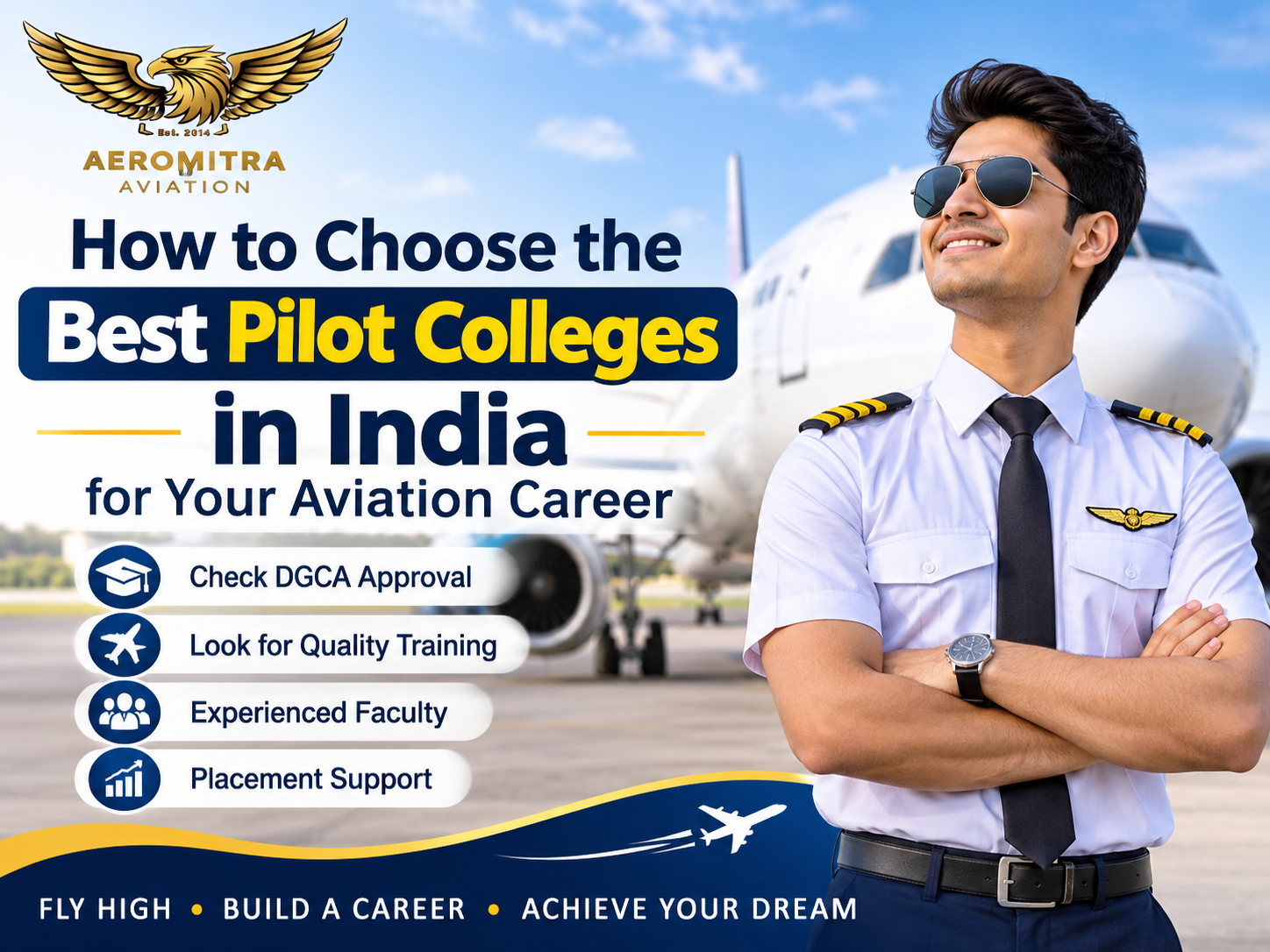
Building a successful career in aviation starts with choosing the right educational and training pathway. Today, pilot colleges in India attract students who dream of becoming commercial pilots and working with leading airlines. However, selecting the right aviation academy requires careful research. Students must understand the eligibility requirements, DGCA regulations, training facilities, course structure and overall expenses before making a decision. The right guidance can help aspiring pilots build strong aviation knowledge and prepare for a rewarding professional career.
Understanding Pilot Colleges in India
Pilot colleges in India provide aspiring aviation professionals with opportunities to learn about aircraft operations, aviation regulations, navigation and flight safety. However, students should understand that pilot training involves both theoretical education and practical flying experience.
Some aviation institutes focus on DGCA ground classes and examination preparation, while approved Flying Training Organisations (FTOs) provide practical flight training. Students should understand these differences before enrolling.
A good training pathway combines classroom learning, experienced instructors, practical exposure and proper career guidance. This helps students develop the knowledge and confidence required to pursue a Commercial Pilot Licence (CPL).
Important Factors to Consider When Choosing Pilot Colleges in India
Choosing an aviation academy is an important decision because it involves considerable time, effort and financial investment. Students should evaluate the following factors before selecting an institute.
1. DGCA Approval and Recognition
Regulatory compliance is one of the most important considerations when choosing a pilot training institute. Students planning to obtain a CPL in India should ensure that their practical flying training is completed through an appropriately approved or recognised Flying Training Organisation.
They should also verify the current approval status, training permissions and relevant facilities before enrolling. This helps students avoid unnecessary complications during their licensing journey.
2. Experienced Aviation Faculty
Experienced instructors play an important role in developing a student's aviation knowledge. Good faculty members explain complicated subjects through practical examples and structured lessons.
Students should look for institutes that provide guidance in subjects such as Air Navigation, Aviation Meteorology, Air Regulations and Technical General. Regular assessments and doubt-clearing sessions can also improve examination preparation.
3. Modern Training Infrastructure
Aviation education requires proper learning resources and training facilities. Students should evaluate classroom infrastructure, study materials, simulator access and other available training aids.
Modern learning methods can help students understand aircraft systems, navigation procedures and flight operations more effectively.
4. Transparent Fees and Training Structure
Pilot training involves a significant financial commitment. Therefore, students should request a complete breakdown of course fees, examination expenses, flying charges and additional costs.
A transparent institute explains its payment structure and provides clear information about the services included in the training programme.
Courses Available at Pilot Training Institutes in India
Different aviation institutes offer courses based on students' interests and career objectives. Some common training programmes include:
-
Commercial Pilot Licence (CPL): Designed for students who want to become professional commercial pilots.
-
Private Pilot Licence (PPL): Suitable for individuals interested in flying for private purposes rather than commercial operations.
-
Instrument Rating (IR): Provides training for operating aircraft under instrument flight conditions.
-
Multi-Engine Rating (MER): Develops the skills required to operate multi-engine aircraft.
-
DGCA Ground Classes: Help students prepare for the theoretical examinations required for pilot licensing.
Among these options, CPL training is particularly popular among students who want to pursue professional flying careers.
Eligibility Requirements for Becoming a Commercial Pilot in India
Before applying to a pilot training programme, students should understand the basic eligibility requirements.
Generally, candidates must fulfil the following conditions:
-
Complete Class 12 with Physics and Mathematics or an equivalent qualification.
-
Meet the applicable minimum age requirement for the relevant licence.
-
Satisfy DGCA medical fitness requirements.
-
Complete the prescribed theoretical examinations.
-
Finish the required practical flying training and skill assessments.
For an aeroplane CPL, the minimum licensing age is 18 years. Medical fitness and other licensing requirements must also be fulfilled. Students should check the latest DGCA regulations before beginning their training. <Cite refs={["turn863419search1","turn863419search2"]}/>
Understanding the Cost of Pilot Training in India
The cost of becoming a commercial pilot depends on several factors, including the training organisation, aircraft type, flying hours, location and additional facilities.
Students should consider the following expenses while planning their aviation education:
-
DGCA ground classes and examination preparation.
-
Practical flying training charges.
-
Medical examinations and documentation.
-
Accommodation and transportation.
-
Licence applications and examination fees.
-
Additional flying hours, if required.
Rather than selecting an institute based only on low fees, students should compare training quality, facilities and the complete financial commitment. They should also check whether education loan assistance or flexible payment options are available.
Proper financial planning can help students manage their training without unnecessary interruptions.
Career Opportunities After Completing Pilot Training
Completing the required training and obtaining a CPL can open several career opportunities in the aviation industry. However, employment depends on additional qualifications, experience, recruitment requirements and selection assessments.
Some popular career options include:
Commercial Airline Pilot
Commercial pilots operate passenger aircraft and work with domestic and international airlines, subject to employer requirements.
Charter Pilot
Charter pilots operate aircraft for private individuals, businesses and non-scheduled aviation operators.
Cargo Pilot
Cargo pilots transport goods, packages and other shipments between different destinations.
Flight Instructor
Experienced and appropriately qualified pilots can pursue careers as flight instructors and help train future aviators.
Corporate Pilot
Corporate pilots operate aircraft for companies and private organisations.
The aviation sector offers different professional pathways, making pilot training an attractive option for students interested in aircraft and aviation operations.
Why Choose the Best Pilot Training Institute in India?
Selecting the best pilot training institute in India means finding an organisation that understands students' academic requirements and long-term aviation goals.
A suitable institute should provide structured learning, experienced faculty, regular assessments and guidance throughout the training journey. Students should also evaluate its reputation, student feedback, examination preparation methods and career counselling services.
It is equally important to understand the difference between ground training and practical flying training. A student may complete theoretical preparation at one institute and practical flying hours at a separate approved flying organisation.
Therefore, researching the complete training pathway before admission can help students make a confident decision.
How AeroMitra Helps Students Build an Aviation Career
Choosing the right aviation academy can be confusing, particularly for students who are new to the aviation industry. AeroMitra helps aspiring pilots understand their training options and make informed decisions about their aviation careers.
Its guidance and support include:
-
Aviation career counselling.
-
DGCA ground classes and examination preparation.
-
Guidance in selecting suitable flying training organisations.
-
Admission and documentation assistance.
-
Pilot training pathway guidance.
-
Support in planning long-term aviation goals.
Through professional guidance and structured preparation, AeroMitra helps students understand the different stages involved in becoming commercial pilots. Students can explore suitable training options based on their academic background, budget and career expectations.
Frequently Asked Questions (FAQs)
1. How do I choose the best pilot colleges in India?
Students should compare faculty experience, training facilities, DGCA examination preparation, practical flying arrangements, fee transparency and career guidance before selecting an aviation institute.
2. What qualifications are required to become a commercial pilot in India?
Candidates generally need to pass Class 12 with Physics and Mathematics or an equivalent qualification. They must also satisfy the applicable age, medical, examination and licensing requirements.
3. How much does commercial pilot training cost in India?
The overall cost varies depending on the flying organisation, training location, aircraft, flying hours and additional expenses. Students should request a detailed fee breakdown before admission.
4. What is the difference between a pilot college and a flying training organisation?
A pilot training institute may provide theoretical education and DGCA examination preparation, whereas a Flying Training Organisation provides practical flying training under the applicable regulatory approval.
5. Can AeroMitra help students select a suitable pilot training institute?
Yes. AeroMitra provides aviation career counselling, DGCA ground training guidance, flying school selection assistance and admission support to help aspiring pilots plan their aviation journey.
Conclusion
Choosing the right commercial pilot training institute in india is an important step towards building a successful aviation career. Students should carefully evaluate training facilities, faculty experience, regulatory requirements, course structure and overall expenses before making their decision.
Aviation requires dedication, discipline and continuous learning. With proper preparation and professional career guidance from AeroMitra, aspiring pilots can understand their options and take informed steps towards achieving their dream of becoming commercial pilots.

 Arabic
 French
 Spanish
 Portuguese
 Deutsch
 Turkish
 Dutch
 Italiano
 Russian
 Romaian
 Portuguese (Brazil)
 Greek
