


Lager Market Outlook: Exploring Product Variety and Consumer Choices
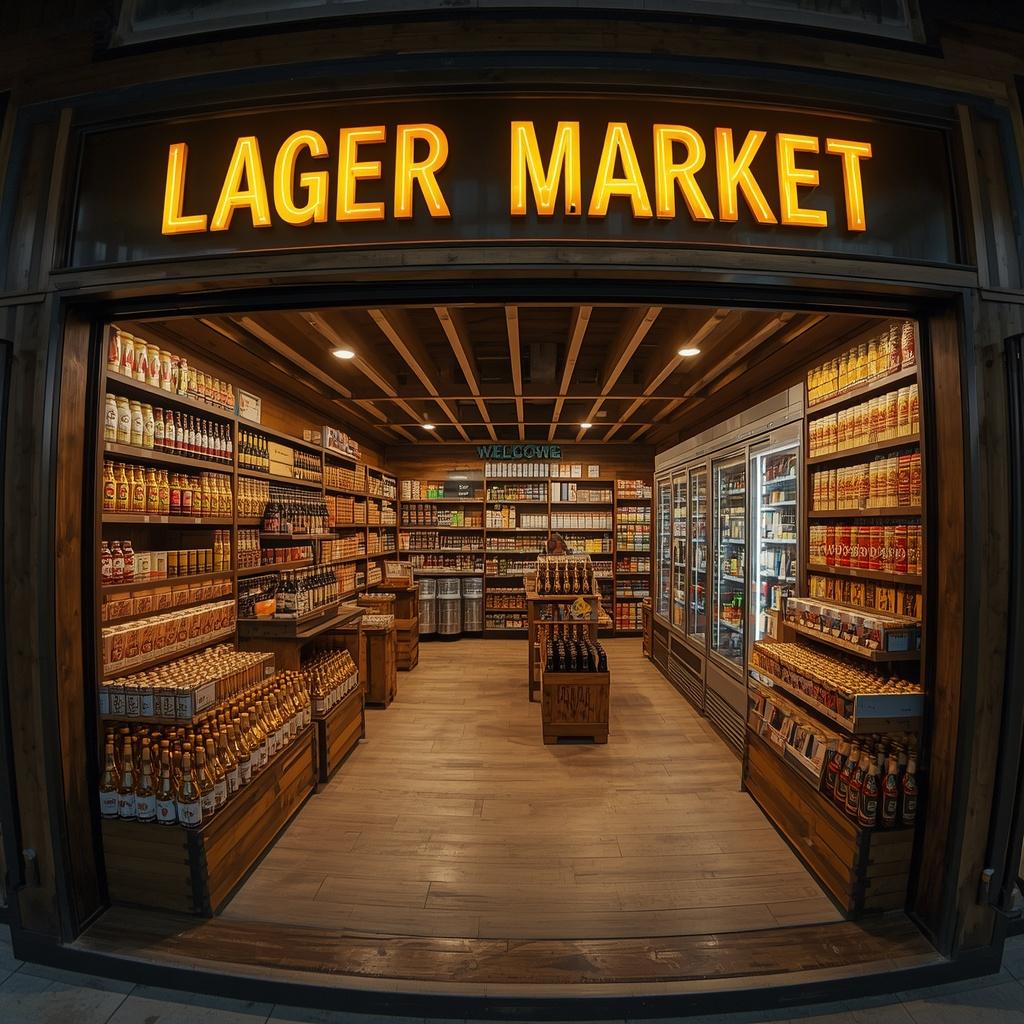
The lager industry includes a broad range of beer styles, brands, and brewing traditions. Its products can differ in color, aroma, body, flavor, and production approach, creating a varied category within the alcoholic beverages sector. Manufacturers operate in an environment where product identity, quality, packaging, and distribution all contribute to how their offerings are positioned. As consumer interests change, breweries continue to consider ways to maintain established products while exploring new ideas.
Interest in international lager brands and craft lager beer styles highlights the variety available across the category. Different brewing traditions and product characteristics provide opportunities for consumers to learn about distinct styles. For manufacturers, this diversity creates room for brand differentiation, specialty development, and more focused product positioning.
Product Variety Across the Lager Category
Lager includes different styles that reflect variations in brewing methods and ingredient choices. Pale lager is generally associated with a lighter appearance and a clean flavor profile. Dark lager offers a deeper color and can feature more pronounced malt characteristics.
Amber lager represents another style, often distinguished by its color and malt balance. Specialty lagers may reflect regional traditions or specific brewing approaches.
This variety allows breweries to create portfolios that include familiar products alongside distinctive offerings. Maintaining clear product descriptions can help consumers understand the differences between styles and make informed choices.
Consumer Preferences and Product Positioning
Consumer preferences influence how breweries develop and present their products. Factors such as taste, brand identity, packaging, availability, and familiarity can affect purchasing decisions.
Some consumers are interested in traditional products with recognizable characteristics. Others may explore specialty varieties or brands associated with particular brewing regions.
Manufacturers can respond to these interests through product positioning. A brand may emphasize its heritage, brewing approach, ingredient selection, or distinctive style. Consistent communication helps establish a recognizable identity.
Businesses should ensure that marketing activities are responsible and comply with local requirements governing alcoholic beverage advertising and sales.
The Importance of Brand Recognition
Brand recognition is a significant consideration in a competitive beverage category. Consumers may identify products through their names, packaging, labels, and visual presentation.
Breweries often use consistent design elements to make their products recognizable. Typography, colors, illustrations, and packaging formats can help communicate brand identity.
Storytelling can also contribute to product positioning. Information about brewing heritage, regional traditions, and production practices may help explain what makes a product distinctive.
A strong brand identity requires consistency across product quality, packaging, and communication. Misleading claims or unclear product descriptions can weaken consumer confidence.
Packaging and Retail Presentation
Packaging plays an important role in protecting lager products and presenting them to retailers and consumers. Bottles and cans are common formats, and manufacturers select packaging according to operational, commercial, and product requirements.
The design of packaging can communicate product style and brand positioning. Labels may provide information about ingredients, product identity, and legally required details.
Manufacturers also need to consider packaging integrity, transportation, and storage. Suitable handling practices help maintain the product's condition throughout distribution.
Retail presentation is another important factor. Clear product organization and accurate labeling can help consumers distinguish between different varieties.
Distribution and Regional Market Considerations
Lager distribution involves production facilities, distributors, retailers, and hospitality businesses. The structure of the supply chain varies according to regional regulations and commercial arrangements.
Local laws may govern production licenses, alcohol distribution, retail access, labeling, advertising, and minimum purchasing ages. Manufacturers and distributors need to understand these requirements before entering or expanding within a market.
Regional preferences can also influence product portfolios. Different markets may have different expectations regarding flavor, packaging, brand identity, and product availability.
Digital Communication and Brand Discovery
Digital platforms provide breweries with ways to communicate product information and brewing heritage. Official websites and other permitted communication channels can explain different lager styles and provide details about production practices.
Clear digital presentation can help audiences understand a brand's identity. Product descriptions, packaging photographs, and educational content may support brand recognition when used responsibly and in accordance with applicable rules.
Businesses must take particular care with age restrictions and advertising regulations when communicating about alcoholic beverages online.
Emerging Opportunities in the Lager Market
The Lager Market offers opportunities through specialty product development, brewing innovation, packaging improvements, and stronger brand differentiation. Manufacturers can explore distinctive ingredients and regional styles while maintaining production consistency.
Operational efficiency and responsible resource management may also influence future business strategies. Breweries that evaluate ingredient sourcing, packaging materials, production processes, and regulatory requirements can build more comprehensive approaches to market development.
Conclusion
Product variety, brand identity, packaging, and distribution all influence the Lager Market. As breweries balance traditional brewing practices with changing consumer expectations, clear positioning and consistent quality will remain important. Responsible marketing and compliance with local regulations are equally essential for businesses operating in this category.
FAQs
Q1. What makes different lager styles unique?
Lager styles can differ in color, aroma, body, flavor, ingredients, and brewing approach. These characteristics create variety within the broader category.
Q2. What factors influence competition in the lager market?
Product quality, brand recognition, brewing innovation, packaging, distribution, product variety, and compliance with local regulations can influence competition.

 English
 Arabic
 French
 Spanish
 Portuguese
 Deutsch
 Turkish
 Dutch
 Italiano
 Romaian
 Portuguese (Brazil)
 Greek
