


Are Brass Couplers Still Suitable for Modern Industrial Systems?
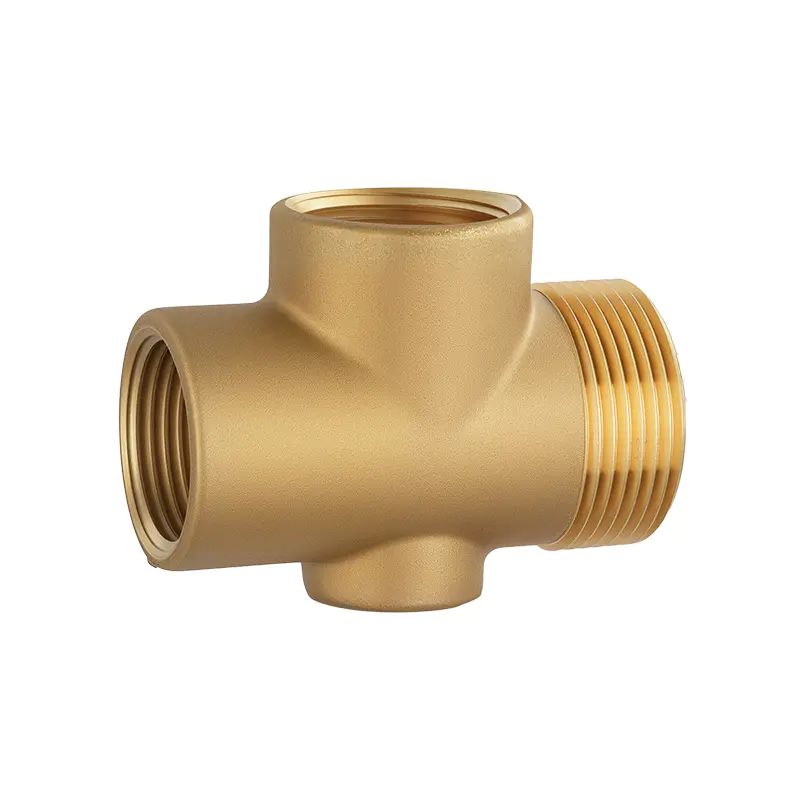
The Brass Coupler is a vital connector used across plumbing, mechanical, and industrial systems. Its reliability and corrosion resistance have made it a preferred choice for both home installations and professional hardware applications. However, manufacturers and users continue to explore questions about performance, cost stability, and design improvement in modern usage scenarios.
Brass Coupler and Thread Performance: Why Do Failures Still Occur?
Many users report that certain brass couplers tend to develop thread issues or micro-cracks after several installation cycles. These issues often arise from improper torque during assembly or exposure to aggressive environments containing moisture or chemicals. Factory testing indicates that standard brass couplers can sustain up to 2,800–3,000 psi of working pressure, depending on the alloy composition and wall thickness. Comparatively, stainless steel couplers can tolerate about 4,000 psi but are heavier and more expensive. This trade-off drives ongoing research into brass alloys that balance strength, cost, and machinability.
Brass Coupler in High-Pressure and Hydraulic Use
A frequent question among hardware professionals is: Can a brass coupler handle demanding hydraulic or steam systems? Laboratory comparisons show that brass fittings maintain consistent performance in low to medium-pressure ranges, typically below 3,000 psi. For applications beyond this range, users prefer steel or composite materials. Industrial field tests also indicate that brass maintains tight sealing and low leakage rates when used in compressed air or water systems, provided that thread alignment and sealing materials are properly managed. These findings emphasize that correct installation and environmental compatibility are as crucial as material strength.
Brass Coupler Market Overview and Demand Shifts
The hardware sector continues to experience steady growth in the demand for brass couplers. Global market data suggests that the overall pipe-fittings category, including brass components, has been expanding at around 6 – 7 % annually. Demand is driven by increasing use in plumbing, irrigation, and mechanical assembly lines. In some regions, brass coupler prices have fluctuated between 0.35 USD and 0.50 USD per piece in bulk orders, depending on size and finish quality.
Brass Coupler Manufacturing Standards and Material Selection
In professional hardware manufacturing, the performance of a brass coupler depends heavily on its alloy structure, machining precision, and quality management. Factories using CNC-machined bodies and lead-free brass alloys achieve tighter tolerances and better sealing performance. Heat treatment processes also enhance tensile strength while reducing brittleness. Testing data shows that couplers produced under standardized protocols experience fewer deformation failures during pressure cycles compared to lower-grade cast fittings.
The growing attention to sustainability has further influenced production strategies. Recycled brass is now used in over 30 % of new fittings, contributing to both environmental goals and cost control. Additionally, manufacturers adopting advanced inspection systems have reduced defect rates by up to 20 %, improving product consistency for global export markets.
Brass Coupler: Key Insights for Factories and Users
Understanding the behavior of a Brass Coupler requires attention to both technical and market perspectives. For factories, maintaining alloy purity, precise machining, and quality certification ensures long-term customer confidence. For users, checking pressure ratings, installation torque, and environmental conditions can prevent premature failure.
As the global hardware market evolves, brass couplers continue to hold a stable position due to their balance of durability, cost efficiency, and versatility. Whether in plumbing, HVAC, or mechanical assembly, consistent manufacturing standards and informed user practices are shaping the next stage of product reliability and market growth. The Brass Coupler remains a cornerstone component driving innovation and stability across multiple hardware applications.

 English
 Arabic
 French
 Spanish
 Portuguese
 Deutsch
 Turkish
 Dutch
 Italiano
 Russian
 Portuguese (Brazil)
 Greek
