


Aquaculture Diagnostics Distributor USA: Exploring Molecular Testing Solutions for Aquatic Health
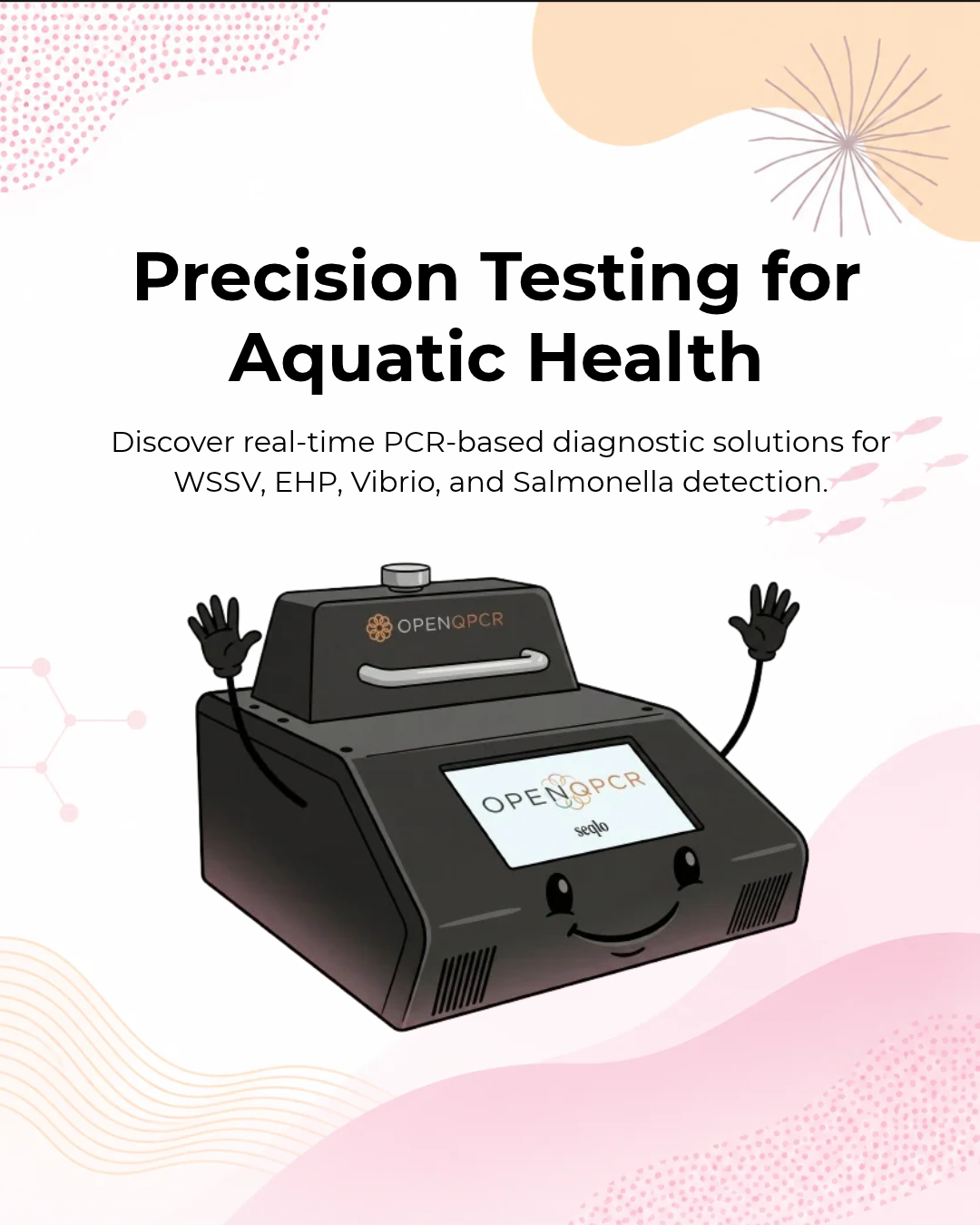
A hatchery manager notices one tank feeding more slowly on Monday. By Thursday, the real worry is how far the problem has spread and whether a shipment can still go out. That's why disease checks and seafood safety testing matter so much to anyone working with farmed seafood. If you run a lab, or you're looking for an aquaculture diagnostics distributor USA customers can trust, the practical questions come first. What can you test for? How fast do you get answers? What equipment do you need? Here's a plain-language look at those questions, and at one option from Seqlo.
Why Aquaculture Diagnostics Matter in the USA
The US seafood picture has two sides. At home, USDA's Economic Research Service counted 3,453 aquaculture farms in 2023, about half of them in the Southeast. On the trade side, NOAA Fisheries estimates the country imports roughly 70 to 85 percent of its seafood, and around half of those imports are farmed.
So the pressure shows up in two places. Hatcheries and farms need to spot disease early to protect their stock. Labs and processors need reliable checks for bacteria that can make people sick. FDA's seafood hazards guidance, for example, names Vibrio parahaemolyticus and Vibrio cholerae among the bacteria processors should think about when building their food safety plans.
What Should an Aquaculture Diagnostics Distributor in the USA Look For?
When buyers look at a new testing line, they usually ask the same handful of questions:
- Range: Can one product line cover shrimp diseases, food-borne bacteria, allergens, and fish species checks? Or will customers need several suppliers?
- Trust in the method: Is it a technique labs already know and use?
- Fit with daily work: Do the kits run on one shared system, or does each one need its own equipment?
- Ease of use: How much training does a new team member need?
- Support and paperwork: When someone has a question, can they reach a person? Are the documents there for customer audits?
- Real-world value: Does each kit solve a problem someone is actually paying to solve?
A distributor who can answer these clearly will have an easier conversation with every customer down the line.
Real-Time PCR Technology in Modern Aquaculture Diagnostics
Think of real-time PCR as a very precise search for a specific piece of genetic code. The lab takes a sample and makes many copies of the target code if it's there. A built-in light signal grows as the copies build up. If the signal rises, the target was found. If it stays flat, it wasn't.
Every shrimp virus, bacterium, and fish species has its own genetic signature, which is why this approach works across so many kinds of tests. Seqlo says results can come back in hours rather than days. The exact time depends on the test and how the lab runs its workflow.
Exploring Seqlo's Aquaculture Testing Portfolio
Seqlo is a unit of DSS Imagetech Pvt. Ltd. It makes molecular testing products for food safety, pathogen detection, species identification, and aquaculture. Its range of aquaculture testing and diagnostic kits runs on one shared real-time PCR platform and includes seven kits.
Keeping Shrimp Healthy
The WSSV Detection Kit looks for White Spot Syndrome Virus. It spreads quickly and can wipe out entire shrimp populations within days, so catching it early gives hatcheries and farms time to act. The EHP Detection Kit targets Enterocytozoon hepatopenaei, a parasite that doesn't kill shrimp the way other diseases do. Instead, it's linked to slow, stunted growth that quietly cuts into yield. Regular testing helps farms notice it before it costs them.
Checking Seafood Safety
Three kits cover common safety checks: the Vibrio cholerae Detection Kit, the Vibrio parahaemolyticus Detection Kit, and the Salmonella Detection Kit. According to Seqlo, V. cholerae is one of the least tolerated pathogens in international exports. V. parahaemolyticus occurs naturally in coastal waters, and Salmonella is on many regulators' "no-entry" lists. For labs and processors, these are everyday checks that protect both customers and reputation.
Allergens and Fish Identity
The Crustacean Allergens Detection Kit helps processors check for crustacean material and avoid accidental cross-contamination. The Hamour Fish Detection Kit confirms that a premium fish is what the label says it is, which supports honest sourcing and a more transparent supply chain.
Key Advantages of Seqlo's Aquaculture Testing Solutions
Here's what Seqlo says about its system, and why each point could matter to a distributor or lab:
- Genetic-level testing: Seqlo describes the method as highly sensitive and specific, which is what labs expect from DNA-based tests.
- Quick answers: Results in hours help when decisions about stock or shipments can't wait.
- One system, many tests: Using a single platform for diseases, safety checks, allergens, and species can make training, stocking, and support simpler.
- Built tough: Seqlo says the system suits settings from hatcheries and farms to processing plants and labs.
- Easy to operate: The interface is meant to be user-friendly, so new staff can get going without heavy training.
- Help when you need it: Seqlo lists 24x7 support from its aquaculture team.
No test is perfect, so customers should always check performance through their own validation process.
Applications Across the US Aquaculture and Seafood Industry
- Hatcheries and shrimp farms: Checking for WSSV and EHP before stocking and during the growing cycle.
- Testing labs: Running routine Vibrio and Salmonella checks, plus allergen and species testing.
- Seafood processors: Screening for pathogens, allergens, and species authenticity when product arrives or before it ships.
- Research institutions: Trying out DNA-based testing methods on one compatible system.
- Distributors: Offering one product line that can serve all four groups above.
Exploring Aquaculture Diagnostic Distribution Opportunities in the USA
Distributors usually compare any new line with what they already sell. They consider how many customers overlap, how much training is needed, what service is required, what paperwork comes with each product, and how each kit is classified for US customers. Those questions deserve straight answers before anyone commits.
Seqlo's website doesn't describe a formal US distribution program. Anyone interested should treat this as an early conversation rather than an established channel, and confirm availability, documents, and support directly with the company.
Conclusion
Picking the right testing tools comes down to fit: which diseases and hazards matter to you, how your team already works, and what support sits behind the product. If you're weighing an aquaculture diagnostics distributor USA opportunity, a single testing platform covering shrimp diseases, seafood safety, allergens, and fish identity is worth a closer look. Explore Seqlo's product portfolio and get in touch to talk about product suitability, availability, or potential business opportunities.

 English
 Arabic
 Spanish
 Portuguese
 Deutsch
 Turkish
 Dutch
 Italiano
 Russian
 Romaian
 Portuguese (Brazil)
 Greek
