


Jasmine Rice Market: Consumer Trends, Premium Demand and Industry Growth
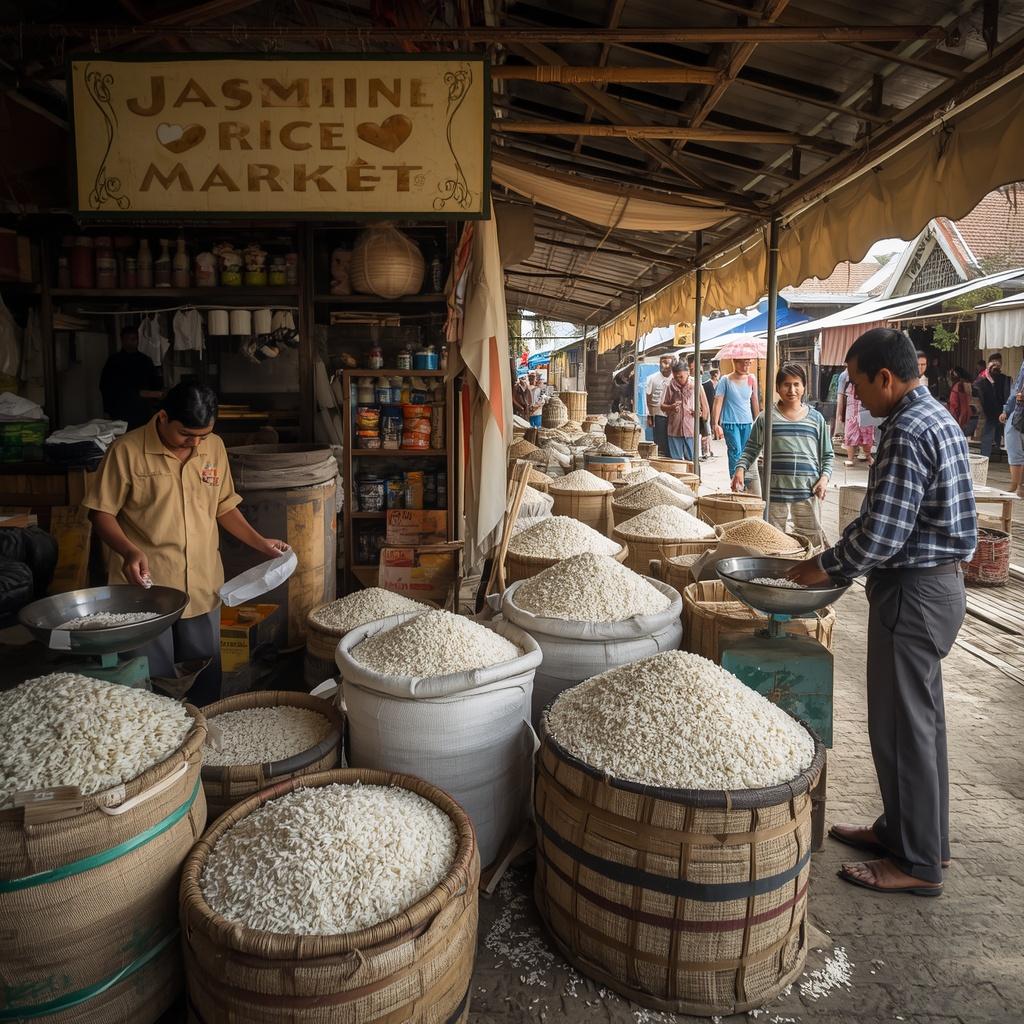
The Jasmine Rice Market represents an important segment of the global rice and agricultural food industry. Jasmine rice is widely recognized for its distinctive fragrance, delicate flavor, and soft texture after cooking. It is commonly used in traditional Asian cuisine and has become a popular ingredient in different international food preparations. Its versatility makes it suitable for household consumption, restaurants, hotels, catering businesses, and packaged food manufacturers.
The growing interest in aromatic long grain rice products reflects changing consumer preferences toward distinctive rice varieties and diverse culinary experiences. Jasmine rice offers recognizable characteristics that differentiate it from conventional rice varieties. Its aroma, texture, and suitability for different recipes create opportunities for agricultural producers, rice processors, exporters, distributors, and retailers to serve consumers interested in specialty grain products.
Changing Consumer Preferences
Consumer preferences are an important factor influencing the development of the Jasmine Rice Market. Modern consumers are exploring different rice varieties to complement their cooking habits and culinary traditions.
Jasmine rice is appreciated for its fragrance and soft texture, making it suitable for everyday meals as well as specialty food preparations. It can be served with vegetables, meat, seafood, curries, sauces, and other ingredients.
The growing popularity of international cuisines is also creating opportunities for aromatic rice varieties. Consumers interested in Asian-inspired meals may select jasmine rice because of its traditional culinary associations.
Product quality, grain appearance, aroma, texture, and cooking consistency are important purchasing considerations. Manufacturers and retailers can respond to these expectations through product differentiation and clear product information.
Agricultural Production and Cultivation
Agricultural production is the foundation of the jasmine rice supply chain. Rice cultivation requires suitable soil conditions, water management, agricultural knowledge, and appropriate farming practices.
Farmers must manage several activities, including land preparation, seed selection, planting, crop maintenance, harvesting, and post-harvest handling.
Growing conditions can influence the characteristics of harvested rice. Producers must therefore pay attention to cultivation practices and crop management to maintain consistent quality.
Responsible agricultural practices are also becoming important for businesses seeking to improve production efficiency and support long-term farming operations.
Collaboration between farmers, agricultural organizations, processors, and exporters can strengthen the supply chain and improve access to commercial markets.
Product Segmentation and Innovation
Product diversification provides opportunities for manufacturers operating in the jasmine rice industry.
White jasmine rice remains a familiar option for household consumers and commercial foodservice businesses. Brown jasmine rice provides another choice for consumers interested in less-refined grain products.
Organic jasmine rice can attract customers who prioritize particular agricultural production practices.
Manufacturers can also explore specialty rice selections, carefully processed grains, and different packaging formats.
Product innovation should focus on maintaining grain quality, aroma, cooking characteristics, and customer convenience.
A diversified product portfolio can help businesses serve different consumer preferences and strengthen brand recognition.
Processing and Quality Management
Rice processing is an important stage between agricultural production and final distribution.
Harvested rice undergoes different operations, including cleaning, drying, milling, grading, sorting, and packaging.
Each stage contributes to the finished product's appearance and quality.
Manufacturers must maintain appropriate processing procedures to remove unwanted materials and achieve consistent grain characteristics.
Quality management is especially important for jasmine rice because consumers often associate the product with its recognizable fragrance and cooking texture.
Proper storage and handling can also help preserve product characteristics throughout distribution.
Packaging and Branding Developments
Packaging plays an important role in protecting jasmine rice and communicating its product identity.
Retail products are commonly offered in bags and other convenient packaging formats. Bulk packaging can serve wholesalers, restaurants, hotels, and commercial food processors.
Manufacturers can develop packaging that supports convenient storage, product protection, and easy handling.
Clear labeling can communicate rice variety, origin, product characteristics, and preparation instructions.
Branding is another important consideration. Attractive packaging and recognizable product identities can help manufacturers distinguish their products in competitive grocery environments.
Retail Distribution and E-Commerce
Supermarkets, grocery stores, specialty food retailers, and online shopping platforms are important distribution channels for jasmine rice.
Physical retail outlets allow customers to compare different rice varieties and packaging options.
Online distribution provides additional convenience and enables consumers to discover specialty rice products that may not be readily available in nearby stores.
Manufacturers can strengthen their distribution strategies through partnerships with wholesalers, retailers, and digital grocery platforms.
Consistent product availability and informative product descriptions can improve customer satisfaction.
Foodservice and Hospitality Applications
Restaurants, hotels, catering companies, and commercial kitchens represent important customer segments.
Jasmine rice is suitable for different menu preparations, including rice bowls, curries, stir-fries, vegetable dishes, and traditional Asian meals.
Its fragrance and texture can complement different ingredients and cooking styles.
Foodservice businesses generally prioritize consistent grain quality, cooking performance, convenient packaging, and reliable supply arrangements.
Suppliers that understand professional kitchen requirements can establish long-term commercial relationships.
Sustainability and Responsible Sourcing
Sustainability is an important consideration for jasmine rice producers and distributors.
Agricultural businesses can explore responsible water management, soil conservation, efficient farming practices, and appropriate resource utilization.
Supply chain transparency is also important for businesses seeking to communicate product origin and sourcing practices.
Manufacturers and distributors can strengthen their environmental approach through responsible procurement, efficient processing, and thoughtful packaging choices.
Future Outlook
The Jasmine Rice Market offers opportunities across agricultural production, rice processing, international distribution, retail, and foodservice.
Changing consumer preferences, premium rice selection, specialty packaging, and culinary innovation can influence future business development.
Companies that prioritize consistent quality, responsible sourcing, effective branding, and reliable distribution can strengthen their competitive position.
The distinctive characteristics and culinary versatility of jasmine rice provide a foundation for continued product development across domestic and international food markets.
Frequently Asked Questions
Q1. What makes jasmine rice different from other rice varieties?
Jasmine rice is recognized for its distinctive fragrance, delicate flavor, and soft texture after cooking. These characteristics make it suitable for different Asian and international food preparations.
Q2. What factors influence the Jasmine Rice Market?
Consumer preferences, agricultural production, grain quality, processing practices, packaging, international trade, retail distribution, and foodservice demand influence the market.

 Arabic
 French
 Spanish
 Portuguese
 Deutsch
 Turkish
 Dutch
 Italiano
 Russian
 Romaian
 Portuguese (Brazil)
 Greek
