


Electronic Credit Ledger Management for Manufacturing Businesses
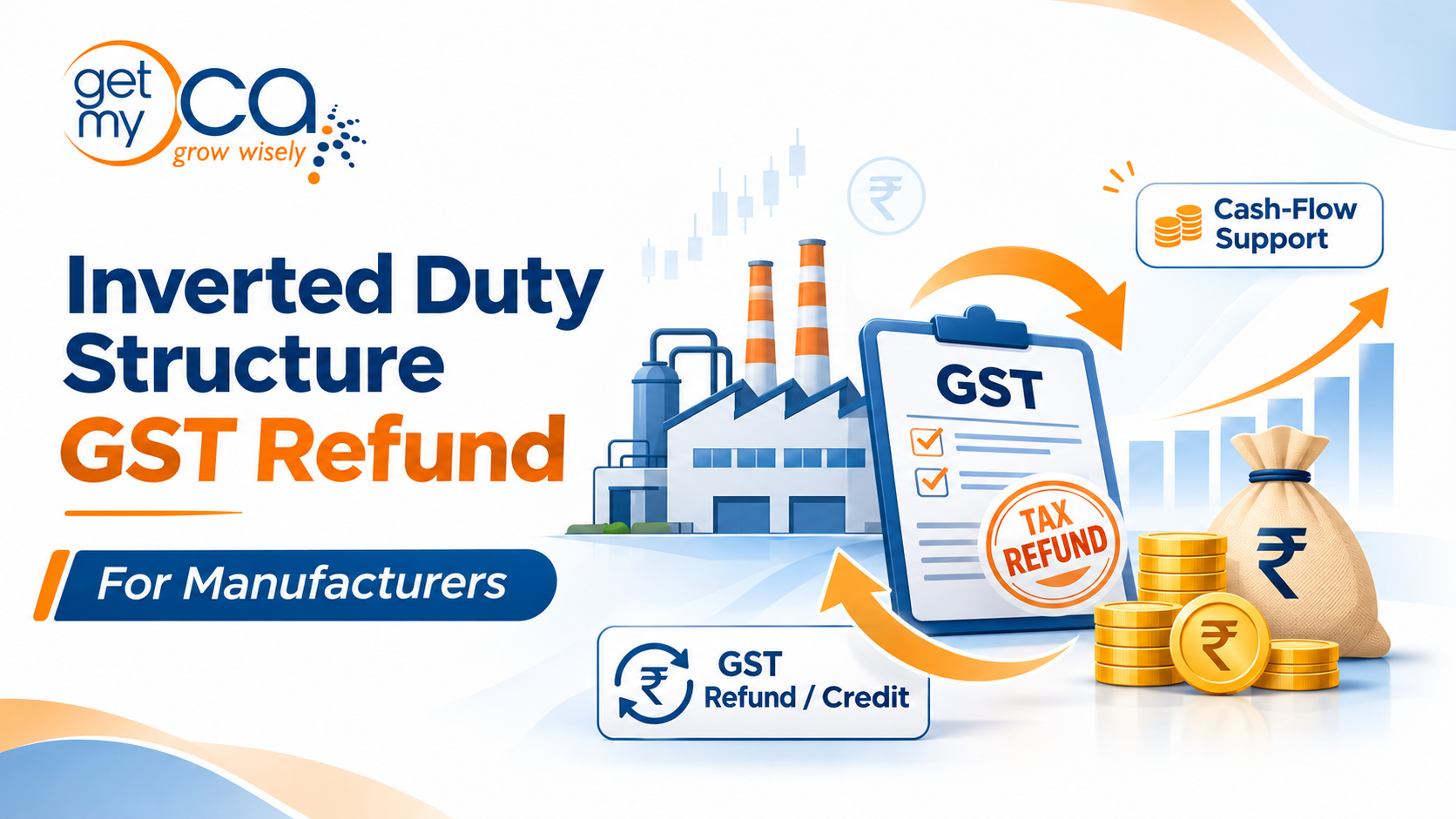
The electronic credit ledger is an important component of GST compliance for registered taxpayers.
It records eligible Input Tax Credit available for utilisation against specified GST liabilities, subject to statutory rules.
Manufacturing businesses should regularly review their electronic credit ledger because unused credit may accumulate over time.
This is particularly relevant when input goods attract higher GST rates than finished products.
What Is an Electronic Credit Ledger?
The electronic credit ledger is maintained electronically on the GST portal.
It reflects the eligible Input Tax Credit credited to the taxpayer's account and relevant utilisation or debit entries.
The ledger helps businesses monitor credit available under applicable tax categories.
However, the balance shown in the ledger should be reviewed alongside accounting records and GST returns.
Why Can Ledger Balances Accumulate?
Input Tax Credit may accumulate when a business generates more eligible credit through purchases than it can utilise against output tax liabilities.
For manufacturers, one possible reason is an inverted duty structure.
Other causes may include business expansion, increased inventory purchases or fluctuations in sales activity.
Identifying the reason for accumulation is necessary before considering a refund.
How Is the Electronic Credit Ledger Connected to GST Refunds?
Certain accumulated ITC balances may qualify for refunds under Section 54(3) of the CGST Act.
For inverted duty structure claims, businesses must satisfy the applicable eligibility conditions.
The total electronic credit ledger balance does not automatically determine the amount refundable.
Manufacturers reviewing possible claims can refer to Accumulated ITC Refund Under Inverted Duty Structure information for an explanation of the relevant provisions.
Importance of Ledger Reconciliation
Manufacturers should compare the electronic credit ledger with the Input Tax Credit recorded in their accounting systems.
Differences may result from return adjustments, incorrect entries or other compliance-related factors.
Periodic reconciliation helps identify discrepancies.
It also supports accurate preparation of refund applications.
How Can Businesses Monitor Credit Utilisation?
Businesses should review the opening ledger balance, credit generated during the period, credit utilised and closing balance.
These figures can be compared with the corresponding tax liability.
Monitoring trends over several months may help identify whether credit accumulation is temporary or recurring.
Why Is ITC Eligibility Important?
Only eligible Input Tax Credit can be utilised or considered for refunds according to applicable statutory provisions.
Businesses should distinguish eligible credit from blocked or otherwise ineligible amounts.
This requires careful examination of purchase records and the nature of the underlying transactions.
Benefits of Proper Credit Ledger Management
Accurate ledger management supports reliable GST reporting and financial planning.
It helps businesses understand available tax credits and identify possible compliance issues.
It may also assist management in estimating future tax payments and working capital requirements.
How Does Regular Recordkeeping Help?
Manufacturers should maintain purchase invoices, reconciliation statements, GST returns and supporting accounting records.
Information about GST Accounting and Compliance Services can provide broader context on maintaining accurate statutory records.
Conclusion
The electronic credit ledger is a valuable record for monitoring Input Tax Credit under GST.
Manufacturers should regularly reconcile ledger balances, review the eligibility of accumulated credit and assess whether any amount qualifies for a refund.
Consistent monitoring supports accurate reporting and better financial planning.

 English
 Arabic
 French
 Spanish
 Portuguese
 Deutsch
 Dutch
 Italiano
 Russian
 Romaian
 Portuguese (Brazil)
 Greek
