


PP Spunbond Non Woven Fabric: Innovation, Applications, and Benefits Across Modern Industries
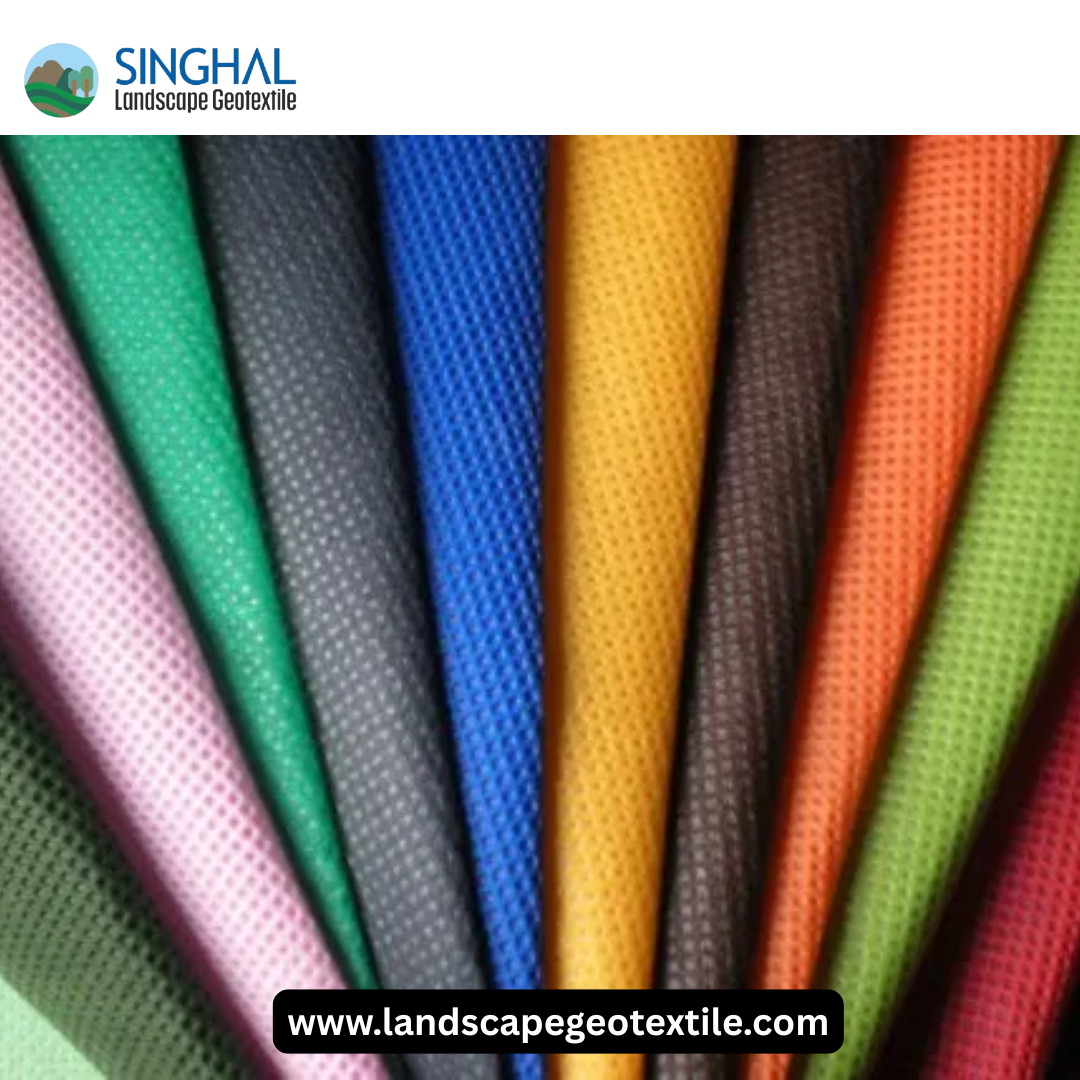
The textile sector has advanced greatly over the past few years, with the development of new, economical and high-performing fabrics that have provided the advantages of being strong and flexible. As an example, the use of PP spunbond non woven fabric is now being utilized across several industries such as packaging, agriculture, healthcare, automotive, and construction. PP spunbond non woven fabric is produced from polypropylene (PP) polymer and is created using a specialized spunbond process where molten polymer is converted into very fine continuous filaments. These filaments are subsequently arranged into a web and bonded together through heat and pressure to create a strong and durable fabric. In contrast to most other woven fabrics, spunbond non woven fabric does not utilize the same processes that are employed in the production of woven fabrics. Instead, spunbond non woven fabric is produced using a unique process that results in a lightweight, consistently textured, breathable and multi-functional fabric that can be used for a wide variety of commercial applications. As a result of the growing demand for cost effective alternatives to conventional fabrics, PP spunbond non woven fabric is continuously being considered as a reasonable solution for meeting the requirements of today's manufacturing industry.
How Manufacturing Technology Shapes Fabric Performance
The PP spunbond non woven fabric manufacturer in gujarat the properties and the quality of PP Spunbond non-woven cloth is determined very much depending on production processes. The polypropylene granules were melted at a specific temperature and drawn through thin holes as continuous filaments. These filaments are grouped in a mesh and sewn together by selective machines to create the end product. But polymer quality and filament forming and web uniformity and bonding conditions which really integrates during raw fabric weight and thickness pertaining to end product of a situated process. These parameters can be adjusted by manufacturers to produce lightweight packaging materials or for more stringent industrial applications. A controlled production process provides consistency through each roll and batch, which is especially useful in the case where the company relies on it for movement or mass production. It is then cut, stitched laminated printed or otherwise processed according to the specifications of what will be made.
Applications in Agriculture and Horticulture
For agriculture and horticulture to meet some practical needs, non woven is used most commonly where lightweight cover, separation or protection is required. We can invest in PP Spunbond Non Woven Fabric to prepare crop covers, nursery and cultivation accessories, plant protection products etc. Additional agriculture solutions Depending on the fabric specification and application, its structure can provide a degree of physical barrier while also providing breathable levels of air permeability. As far as horticulture goes, proper Non-Woven products can prove to be beneficial in the maintenance and upkeep of young plants,and they too are produced daily in multiple sizes for plenty of growing needs. The material also works for products that require movement but are easy to installAgricultural producers are more frequently seeking methods for cultivating efficiently, hence spunbond fabric can be tailored by manufacturers to develop solutions specialized to these uses. The mechanical properties would be identical in an ideal world, but in reality it will depend on weight, material construct and treatments, environmental exposure and the way that it is used.
Importance in Packaging and Everyday Consumer Products
By packaging another segment, PP Spunbond Non Woven Fabric illustrates its ingenuity. This is, more often than not, molded into multi-functional shopping swag bags, gift packs, storage space rolls and planners in addition to open up for transformation therefore service products. Companies can choose from a variety of colours and surface treatments, whereas printing capabilities allow them to include logos, graphics, and promotional messages in the final products. Non woven material is not as rigid and provides flexibility, making it good for products which need to be folded or stored out of use once opened, as a lot of rigid packaging materials are stiff and brittle. Material can also be together with another layer or element of a product that lacks certain functionalities. Wide conversion options to provide manufacturers Retailer, promotional, Institutional and even storage wise. The balance between good practical performance and customisation means you can use spunbond as a general unbranded intermediate material for companies designing both the brand items and their supporting functional end-consumer products.
Healthcare, Hygiene, and Industrial Uses
It can also be used in healthcare, hygiene, industrial product manufacturing etc for PP Spunbond Non Woven Fabric besides packaging and agriculture. They can be used with specially defined non woven material that are needed to form end performance characteristics, such as non woven products including disposable caps, masks, gowns and shoe covers and protective garments for which lightweight constructions is required. Non woven fabrics are usually blended with the appropriate materials to be used in the absorbent or armor structure of textile sanitation products. And there producers of industrial materials use the fabric to filter parts, heat insulation layers, furniture materials produced out from it, protective casements and other needs. But properties of fabric and all material characteristics should be strictly designed for every application, since a requirement based on strength, air permeability, filtration performance, liquid barrier performance etc. or softness or any other functional need can vary from one to another. However for health care, and other regulated type applications in general, manufacturers need to apply appropriate product specifications and procedural measures to meet the applicable standards. Which underscores that selecting fabrics should always be based on the basic performance requirements of the finished product and not its broad material category.
Understanding the pp spunbond non woven fabric hs code
Not surprisingly companies who form and ship this kind of materials need to take product classification into account as a business concern. The pp spunbond non woven fabric hs code is a component of the customs and trade documentation, as it identifies an item within a given. But the correct classification certainly cannot be selected solely on the basis of a product name because both tariff treatment (based on duty determination, etc.) may depend on criteria involving specifically what you are examining and characteristics by which such articles as fall within the scope of appropriate customs authority. Fire classification Class — Organisations must check the applicable class before completing industrial paperwork, particularly where provisions are crossing across national limits. Correct classification can help speed up customs clearance and proper duty or tax assessment when applicable.
Conclusion
The PP spunbond non woven fabric manufacturer is one of the products that can be designed on different type applications, is a light weight flexible material. The endless possibilities that polypropylene non woven technology offers is evident in its versatility in its unparalleled applications from agriculture, horticulture, packaging, health care and hygiene products to furniture, construction and industrial manufacturing. Choosing the right specifications requires close attention to fabric weight, thickness & width, bonding types and strength& breathability as it all depends on where the end product will be used. Additionally, another matter needs to be validated from current day customs cousins if the appropriate pp spunbond non woven cloth hs code keep it up or not.
Frequently Asked Questions
- What is PP Spunbond Non Woven Fabric made from?
PP Spunbond Non Woven fabric is mainly made from polypropylene polymer. A non woven sheet is formed by melting a polymer, drawing continuous filaments and laying it down in web to form a bonded strong and flexible mat. - What are the main uses of PP Spunbond Non Woven Fabric?
Apart from agriculture and horticulture, it is used in medical products, hygiene articles, reusable bags, protective wraps for the manufacturing of furnishings and building materials, petrol product packaging along with other commercial applications. - Can PP Spunbond Fabric be customized?
Yes. Depending on manufacturing capabilities, it can be produced in different GSM values, colors, widths, thicknesses, finishes, and other specifications according to the requirements of the intended application. - Who is the largest exporter of PP Spunbond Non Woven Fabric?
If Singhal Landscape Geotextile is an exporter of PP spunbond nonwoven fabric, they could be a major regional or niche supplier. - How can businesses identify a reliable PP Spunbond Non Woven Fabric manufacturer?
Go for a manufacturer having next gen production facilities, strong quality standard control, customized products available as per requirements, know-how and certifications from international standards e.g. certification etc.

 English
 Arabic
 French
 Spanish
 Portuguese
 Deutsch
 Turkish
 Dutch
 Russian
 Romaian
 Portuguese (Brazil)
 Greek
